

Fly of the Month: Ants – Unlocking September’s Secret Weapon

By September, aquatic insect hatches slow down, and rivers run lower and clearer. Trout that fed heavily on mayflies and caddis earlier in the summer now turn their attention to terrestrials—land-based insects that tumble into the water from streamside grasses and forests. Among these, ants hold a special place in a trout's diet. Ants are abundant, nutrient-rich, and often appear in swarms, creating irresistible feeding opportunities. Whether it's a tiny black ant drifting naturally or a cluster of flying ants falling en masse during a late-summer hatch, trout rarely pass up an easy ant meal.
Ant Biology: What Makes Them Trout Magnets
Ants (family Formicidae) are high in protein and fats, making them a nutrient-dense target for trout. With over 12,000 species worldwide, common ones like carpenter ants or flying ants (alates) dominate trout diets in late summer. Flying ants swarm to mate and establish new colonies, often in hot, humid weather, leading to mass falls onto water surfaces where trout eagerly feed. Unlike strong swimmers, ants often sink slightly or struggle, making them vulnerable both on the surface and subsurface, triggering instinctive strikes from even selective fish.
Why Ants Are Effective in September
Ants thrive in late summer. Warm weather, wind, and the first signs of fall often bring ants into rivers and lakes. September is also prime time for flying ant swarms—mating events where winged ants cloud the air, often getting blown in large numbers onto the water's surface. When this happens, trout rise aggressively, gorging themselves on the easy protein buffet.
Unlike mayflies or caddis, ants don't hatch in neat cycles. They appear unpredictably, making them a secret weapon when trout are refusing other flies. Their segmented profile and glossy bodies trigger trout to feed instinctively, even in ultra-clear, late-season water.
How and When to Fish Ants
To get the most out of ant patterns in September, it helps to understand when they're most likely to appear and how trout respond. These tactical considerations will guide when to tie one on and how to present it effectively.

- Timing: Ants are most effective in warm, calm conditions, especially after rain showers or during muggy afternoons. Flying ant falls often occur in early–mid September.
- Water Types: Target foam lines, eddies, grassy banks, undercut banks, and high-country lakes. Ants are blown into these holding zones where trout cruise for easy meals.
- Presentation: Keep drifts drag-free. Ants don't skate like caddis or hop like hoppers—they're clumsy swimmers. Let your fly drift naturally in the current.
- Rigging: Fish ants as single dries for rising trout, or use them in a dry-dropper rig with a small beadhead nymph when you want to cover both the surface and subsurface. Use lighter tippet (5X–6X) for small ants and alpine presentations.
- When Trout Refuse: If fish are rejecting larger terrestrials like hoppers or beetles, downsizing to an ant often closes the deal.
Avoiding Pitfalls
- Use light tippet (5X–6X) in clear water to avoid spooking fish.
- Apply floatant only to wings or hackle—let the body sit low to mimic a struggling ant.
- Don’t overcast; focus on precise, short drifts near banks or foam lines.
- If no rises occur, try subsurface ants to target trout feeding just below the surface.
JHFLYCO's Top 10 Ant Patterns
With dozens of variations available, having a range of ant patterns in your fly box ensures you're ready for any condition—clear sunlit pools, cloudy days, or the frenzy of a flying ant fall. Here are ten proven ant patterns from JHFLYCO, with size recommendations and tactical tips.
|
|
|
|
|
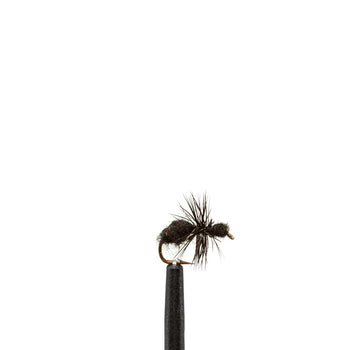
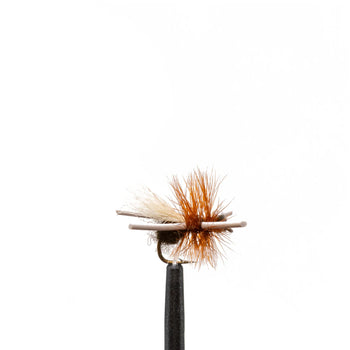
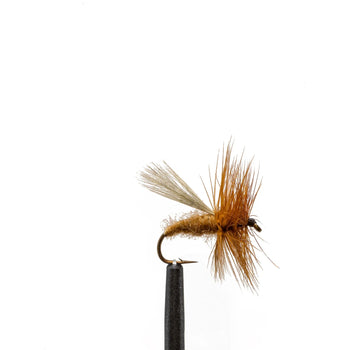
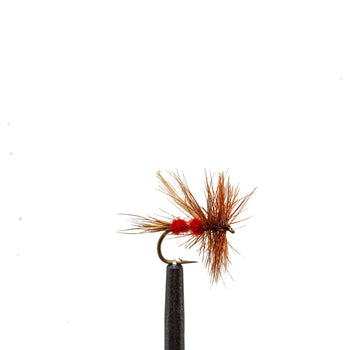
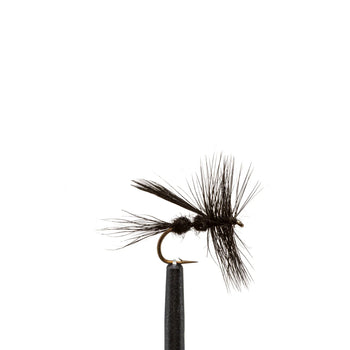
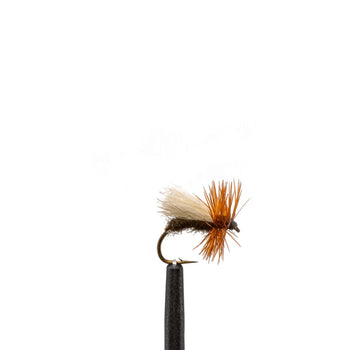
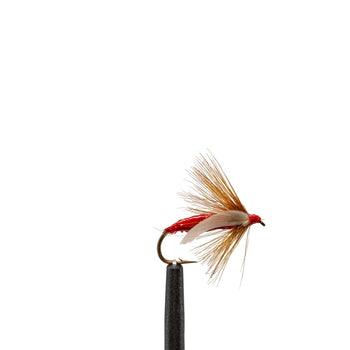
| Black Ant | Super Ant | Cinnamon Ant | Red Ant | Ed's Black Ant |
|
|
|
|
|
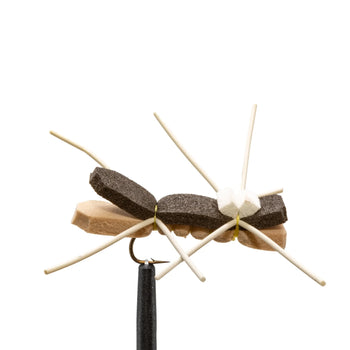
| Peewee Alpine Ant | Chernobyl Ant | Mosier's Ant | Timber Ant | Foam Flying Ant |
1. Black Ant (Sizes 14–20): A timeless and versatile ant imitation that excels in clear water and sunny conditions. Its classic segmented body and dark silhouette make it a reliable choice for picky trout feeding in slow pools, seams, and undercut banks.
- 📌 Pro Tip: Extend your leader and use 6X tippet for a delicate presentation on flat water where trout are easily spooked.
2. Super Ant – Black (Sizes 14–18): Built with a larger profile and excellent buoyancy, the Super Ant is designed for faster currents and more turbulent water. It's also a strong choice when fishing dry-dropper rigs, capable of suspending a small beadhead below.
- 📌 Pro Tip: Use this pattern in pocket water or riffles when you need visibility and flotation without sacrificing realism.
3. Cinnamon Ant (Sizes 14–18): With its warm reddish-brown tone, the Cinnamon Ant offers a realistic variation that stands out on overcast days or in slightly stained water. It's a smart option when trout refuse darker patterns yet remain focused on terrestrials.
- 📌 Pro Tip: Drift a Cinnamon Ant tight against grassy banks or overhanging brush to target opportunistic trout.
4. Red Ant (Sizes 14–18): A high-contrast pattern that draws attention in freestone rivers and during cloudy weather. Its red body provides a bold alternative to traditional black ants, often triggering strikes when other terrestrials are ignored.
- 📌 Pro Tip: Carry both black and red ants to match trout preference—switching colors can quickly turn refusals into takes.
5. Ed's Black Ant (Sizes 16–20): An exceptional imitation of a terrestrial ant, crucial for trout diets in late summer and early fall. Its dark silhouette and segmented body design make it highly effective in trickling streams and along riverbanks.
- 📌 Pro Tip: Dress only the wings or hackle with floatant—let the body sit low in the film to imitate a struggling ant.
6. Peewee Alpine Ant (Sizes 18–22): A compact, highly realistic imitation of the tiny ants commonly found in alpine lakes and high-country streams. Its small profile makes it especially effective in ultra-clear water where trout scrutinize every drift.
- 📌 Pro Tip: On alpine lakes, fish this pattern along windblown shorelines where terrestrials collect in concentrated numbers.
7. Chernobyl Ant (Sizes 8–12): Oversized foam-bodied attractor that doubles as a terrestrial and a "mini-hopper." Perfect for pocket water and when you want buoyancy for a heavy dropper. Available in tan, black, green, orange, yellow, and red.
- 📌 Pro Tip: Fish the Chernobyl Ant as a confidence pattern when visibility is tough or when you need a big surface profile to get noticed.
8. Mosier's Ant (Sizes 12–16): Crafted with elk hair and acetate thread, Mosier's Ant features a hollow body that is both durable and buoyant. Available in black, green, red, brown, and red/black, it's ideal for fishing moving water where a high-riding ant excels.
- 📌 Pro Tip: Rotate through color options based on light and water conditions—brighter tones often shine during low light hours.
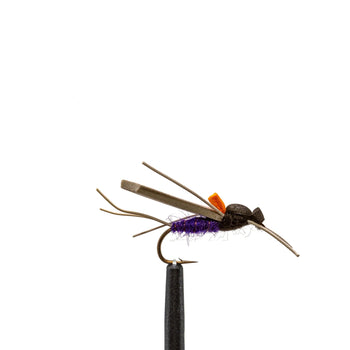
9. Timber Ant – Purple & Olive (Sizes 12–16): This modern variation adds two productive colors to the ant family. The purple version offers attractor flash that excels on pressured rivers, while olive provides a more natural, subtle profile for clear water and sunny days.
- 📌 Pro Tip: Keep both colors handy—fish olive when stealth is critical, and switch to purple when trout need a bolder trigger.
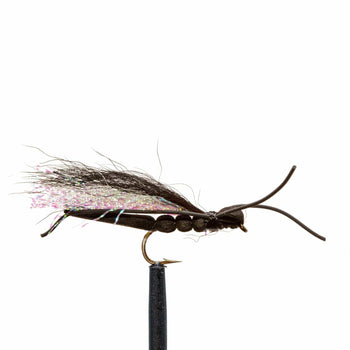
10. Foam Flying Ant (Sizes 14–18): Designed to mimic swarming winged ants, this durable foam-bodied pattern rides high on the surface even after multiple takes. Perfect during September's humid afternoons when flying ant falls can bring trout to the surface in a frenzy.
- 📌 Pro Tip: During a swarm, fish quick, repeated drifts rather than focusing on precision—trout are keyed on abundance more than placement.
Regional and Seasonal Notes
Ant fishing peaks in late summer and fall across the U.S., but timing varies. In warmer regions like the Southwest, swarms may occur earlier, while high-elevation areas like the Rockies see alpine ants into September. Western rivers are hotspots for flying ant falls, so carry a range of patterns for versatility.
Taking It to the Water
Ants may be small, but in September they deliver oversized results. Whether you're chasing alpine trout, working a tailwater, or fishing your home river, black, cinnamon, and flying ants should be staples in your late-summer box. The beauty of ants lies in their unpredictability—you never know when a swarm or a stray gust of wind will turn the bite on. Being prepared with the right patterns can make the difference between a slow day and unforgettable action.
SHOP THE ANT COLLECTION
RELATED ARTICLES:
- 6 Proven Tactics for Late-Summer Trout Fishing
- Terrestrial Tactics: Big Takes from Hoppers to Beetles
- Fly of the Month: Late Summer Hopper-Dropper All-Stars
- Rule the Waters This Summer with Terrestrial Flies
- The Magic of the Hopper Dropper
-
Late-Summer Dry Fly Essentials: 8 Proven Patterns for August Trout


