

The Midge Transition: Small Flies, Big Rewards

Late fall marks a true turning point on the water. As daylight fades and water temps slide below 50°F, trout metabolism slows — but it doesn't stop. The big meals of early fall — hoppers, stoneflies, and meaty streamers — begin to disappear, replaced by the smallest and most consistent insects left in the system: midges.
In our recent post, Streamer Science: How to Fish Slow and Deep, we explored one way to stay productive in cold water — by slowing your retrieve and presenting larger flies close to the bottom. But there's another, equally effective path when trout stop chasing: go small.
When fish refuse to move for big offerings, they still sip the tiny stuff drifting right past their nose. Midges thrive in frigid conditions, hatching steadily when everything else shuts down. Matching them means embracing finesse — flies in the #20–#24 range, 6X–7X tippet, and perfect drag-free drifts.
It's not about flash or distance now; it's about precision. The difference between a blank day and steady hookups can be as subtle as switching from a size 18 nymph to a size 22 midge. As trout feed more selectively, the smallest patterns often deliver the biggest results.
The Transition Window
From mid-November through early January, rivers enter a period of calm clarity. Flows drop, visibility increases, and trout behavior shifts from aggression to economy. They're no longer burning energy chasing streamers; instead, they feed methodically, capitalizing on the most abundant insect left — the midge.
This "shoulder season" is all about timing and subtlety. Midges hatch in short, powerful bursts, often in the late morning once the sun touches the water. That's your window — skip the dawn patrol and plan to be on the river between 11 a.m. and 3 p.m.
Look for trout stacked in soft seams, deep tailouts, and slower mid-channel runs where they can feed without moving much. These are places you can drift a tiny midge through the same lane multiple times until you find the right presentation.
📌 Pro Tip: If you're scraping ice off your guides, you're early. Wait until the air warms, then focus your efforts where sunlight and current meet — that's where midges rise and trout follow.

Small Flies That Deliver — Top 12 Midge Patterns
When trout start keying in on the smallest food sources, success comes down to matching the stage they’re feeding on. Midges move through the water column in predictable phases — from larva near the bottom, to emerging pupae mid-column, to adults clustering on the surface. Knowing when and how to fish each stage keeps you connected when the bite turns technical.
Nymphs / Larvae
These are your foundation flies — simple, weighted, and designed to reach trout feeding close to the riverbed. Fished on light tippet with a natural drift, they imitate the countless midges crawling along the substrate before beginning their ascent.


-
Zebra Midge – Black or Red (#18–#22): A versatile midge that imitates both larval and early pupal stages. The simple thread body and silver ribbing create lifelike segmentation. Fish it deep in slow runs or tailouts when trout are holding near the bottom.
-
Nickel Bead Zebra Midge – Black (#18–#22): A classic cold-water pattern that mimics midges ascending through the water column. The slim profile and nickel bead help it drift naturally and sink quickly. Best fished deep under an indicator or as the point fly in a two-fly rig.rig.
-
Disco Midge – Red or Chartreuse (#18–#22): A bright, attention-grabbing pattern that imitates drifting larvae in stained or low-light conditions. The flash body draws strikes when fish are less active or visibility is limited. Fish it subsurface on a short dropper for best results.
-
Lazer Midge – Olive (#20–#24): A subtle yet visible imitation designed for trout feeding mid-column. The reflective body materials mimic gas bubbles of emerging pupae. Fish it just below the surface during light midge hatches or in slow seams with suspended trout.
📌 Pro Tip: Use a Nickel Bead Zebra as your anchor fly with a smaller Lazer or Disco Midge dropper to cover both deep and suspended feeders in one drift.
Pupae / Emergers
As midges rise through the water column, they become an easy meal for suspended fish. These patterns imitate that vulnerable transition perfectly — ideal for those moments when trout aren’t quite on the surface but no longer hugging bottom.



-
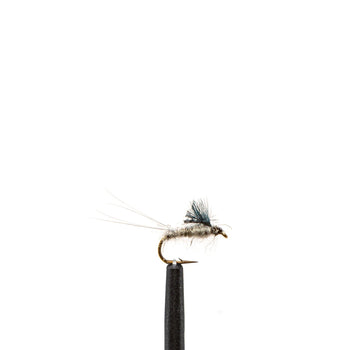
WD-40 – Black or Olive (#20–#24): A minimalist emerger that excels when trout suspend mid-column during subtle hatches. Its slim body and sparse tail imitate ascending midges in clear, slow-moving water. Best fished on a long leader with minimal weight for a natural drift.
-
RS2 (#20–#24): A proven pattern that captures the exact moment of emergence. The trailing shuck and slender profile mimic midges as they struggle through the surface film. Fish it as a dropper below a dry or behind a small indicator during light hatches.
-
Beadhead RS2 (#20–#24): A weighted version of the classic RS2 designed to get down quickly to suspended feeders. Ideal for deeper runs or slow-moving pools where trout are feeding just off the bottom. Drift it naturally through the seam for best results.
-
Brassy – Red or Green (#18–#22): A cold-season favorite that bridges larval and pupal stages. The wire body adds flash and durability, while the segmented profile triggers strikes in slightly off-color water. Fish it as an anchor fly or on a double-nymph rig to get smaller patterns down fast.
📌 Pro Tip: Pair a WD-40 or RS2 dropper behind a heavier Brassy or Beadhead RS2 to imitate multiple emergence stages within one drift.
Adults / Clusters
When midges finally break through the surface film, trout sip them with quiet precision. These small dry and cluster patterns shine during mid-day hatches when sunlight triggers surface activity and fish feed delicately in the top layer.


-
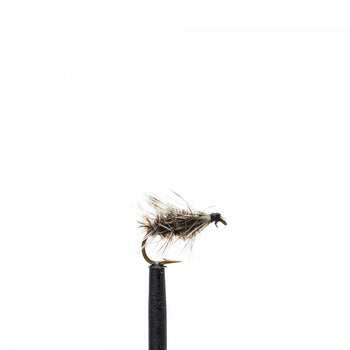
Griffith's Gnat (#20–#24): The essential midge cluster pattern for calm water or sunny afternoons. Its peacock body and grizzly hackle imitate groups of adult midges trapped on the surface. Best fished on long leaders to risers sipping in slicks or foam lines.
-
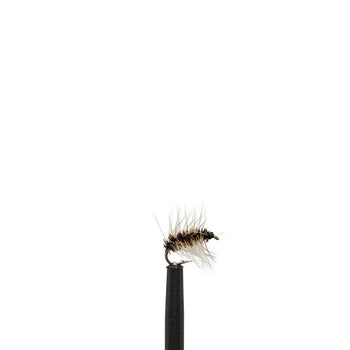
Berger's Badger Gnat (#20–#22): A high-floating dry built for broken currents and micro-seams. The dense hackle keeps it riding high, making it a perfect top-fly in a dry–dropper rig with a WD-40 or RS2 trailing below.
-
Renegade (#18–#20): A timeless attractor that doubles as a midge cluster imitation or small terrestrial. The peacock body adds subtle flash, while the dual hackles keep it buoyant and visible in glare. Excellent choice when fish feed sporadically near the surface.
-
Double Renegade (#16–#18): A larger, more buoyant version of the classic Renegade. Ideal for rougher water or as a highly visible top fly to support small droppers like midges or emergers. Its fuller hackle keeps it riding high even in choppy currents.
📌 Pro Tip: When trout are gently sipping but not breaking the surface, grease your leader and let a Renegade or Double Renegade drift half-submerged — it often converts refusals into confident eats.
Gear & Presentation: The Fine Line Between Success and Spook
Cold, clear water demands a different mindset — one built on subtlety and precision. When trout grow wary and the currents slow, the right gear and presentation can mean the difference between a quiet day and that perfect, drag-free drift. Late fall rewards anglers who fine-tune every detail: rod weight, leader length, and even the size of an indicator.
To keep tiny flies drifting naturally through multiple feeding zones, many anglers rely on a multi-nymph rig — a balanced system that presents several small patterns at different depths without sacrificing control. It’s one of the most efficient ways to stay in the strike zone longer while still maintaining delicate presentation.
Below: A breakdown of a classic two-fly nymph rig — ideal for midge setups in cold, clear water.

-
Rods: The Yellowstone II 4WT is ideal for open water and longer drifts where delicate casts and light tippet control are key. For smaller streams or tighter cover, the Silvertip 7' 4WT offers quick-loading action and pinpoint accuracy — perfect for short, precise presentations where space is limited.
-
Tippet: 6X–7X Fluorocarbon — low-visibility and supple for natural drifts.
-
Leader: 10–12 feet to minimize drag and keep micro-flies moving naturally.
-
Indicator: Small foam or yarn — subtle enough to track movement without spooking trout.
Unlike streamer takes, these strikes are soft and nearly invisible — often just a pause or hesitation in your line. If you're unsure, set the hook. You'll miss more fish waiting than guessing.
📌 Pro Tip: Keep your casts short and deliberate. A perfect 15-foot drift will always outfish a sloppy 40-footer in this season.
Reading Transitional Water
During this late-fall period, trout gravitate toward depth and consistency — places where the current is smooth, food is steady, and effort is minimal. They're conserving energy but still feeding with intention. It's a time when presentation and positioning matter far more than distance or speed.
Start your day probing deep runs, tailouts, and soft seams with weighted nymphs like the Zebra Midge or Black Beauty. As sunlight warms the water and midges begin to rise, transition to pupae and emergers such as the RS2 or WD-40. By early afternoon, when clusters form on the surface, switch to dry patterns like a Griffith's Gnat or Renegade for subtle topwater takes.
On overcast days, when hatches are sparse, pair a Griffith's Gnat with a Disco Midge dropper to cover both surface and subsurface feeders. Adjust your depth often — even a few inches can turn lookers into eaters.
Think of this season as fishing in slow motion. Precision beats power, patience beats pace, and careful observation will always outfish aggression.
Taking It to the Water
The beauty of late fall fishing lies in the extremes: you can swing big streamers deep or drift tiny midges light — both work if done deliberately. One approach tests your patience, the other your precision.
As winter approaches, midges remind us that sometimes less truly is more. Every drift, every delicate take, rewards the angler who slows down and pays attention.
Stay light, stay quiet, and fish small.
Because when the days get short and the water turns clear, the tiniest patterns can bring the biggest rewards.
SHOP OUR MIDGE LIFE STAGES COLLECTION
RELATED ARTICLES:
- Fly of the Month: The Marvelous Midge
- Streamer Science: How to Fish Slow and Deep
- Diving Deep: The Ultimate Guide to Tungsten Bead Fly Patterns
- The Captivating Midge Cluster


