

Terrestrial Tactics: Big Takes from Hoppers to Beetles

Summer trout fishing has its own rhythm. By late July, aquatic hatches start tapering off, water levels drop, and trout become increasingly opportunistic. Instead of looking only to the river bottom or mid-column, they start scanning the surface for bigger meals drifting in from the banks.
That's when terrestrials—hoppers, ants, beetles, and other land-dwelling insects—shine. Trout recognize them as high-calorie targets and often feed with reckless aggression, especially in windy afternoons when bugs are blown into the current. Fishing terrestrials isn't just fun—it's often the key to unlocking the best action of the late summer season.
Whether you're casting your first foam hopper or fine-tuning presentations for selective fish in glassy pools, terrestrial fishing delivers some of the most visual and exciting action of the season. In this guide, we'll cover proven strategies, must-have patterns, and pro tips to help anglers of all levels unlock the full potential of summer terrestrial fishing.
Hopper-Dropper Rigs: Double the Opportunity
The hopper-dropper rig is a summer powerhouse, pairing a buoyant terrestrial with a trailing nymph to cover both surface and subsurface feeders in one cast. It's versatile, forgiving, and perfect for anglers learning to read water or veterans targeting mixed feeding zones. Check out our posts on Hopper-Dropper All-Stars and The Magic of the Hopper Dropper for more, but here's a refresher with added rigging and casting tips.
Where It Works Best
- Riffles & Pocket Water: Turbulent flows mask leader splash, and trout strike aggressively in these oxygen-rich zones.
- Seams & Current Breaks: Look for lines of foam or bubbles where fast and slow currents meet—trout hold here, ready to dart up or down for food.
- Cutbanks & Overhangs: Terrestrials naturally fall from grassy or wooded banks, making these prime feeding lanes.

Rigging the Hopper-Dropper
Use a 7.5–9 ft leader tapered to 3X or 4X for the hopper to ensure strong turnover in wind. Tie a 12–18-inch section of 4X–5X fluorocarbon tippet to the bend of the hopper's hook for the dropper nymph. In fast riffles, keep the dropper shorter (10–12 inches) to stay in the strike zone; in deeper pools, extend to 18 inches for mid-column feeders. To avoid tangles, cast with an open loop and aim slightly upstream, mending to maintain a drag-free drift.


Featured Patterns
Royal Chubby Chernobyl (Sizes 8–12): A high-floating foam dry that anchors hopper-dropper rigs. With its bushy wing and buoyant foam body, it's perfect for choppy water and can carry even heavy tungsten droppers.
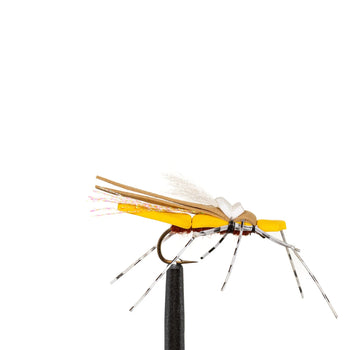
Water Walker – Gold (Sizes 10–14): Sleeker and lower-riding than the Chubby, this foam attractor fools trout in calmer seams or glides where a subtler silhouette makes the difference.
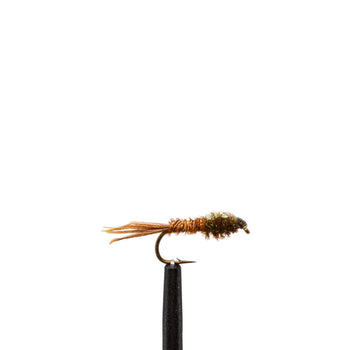
Flashback Pheasant Tail Nymph (Sizes 14–18): The go-to dropper under a hopper. This versatile mayfly imitation produces in nearly any trout stream and adds flash to get noticed in fast water.
Tungsten Bead Rainbow Warrior (Sizes 16–20): A modern attractor nymph with a pearl body and hot spot collar. It excels as a dropper when fish are mid-column and looking for something bright.
📌 Pro Tip: Use heavier tippet (3X–4X) for hoppers to prioritize turnover over delicacy in broken summer water. To reduce tangles, practice sidearm casts in windy conditions.
Foam Patterns & Chubby Chernobyls: Buoyancy Meets Boldness
Foam flies are the backbone of terrestrial fishing, virtually unsinkable and built to withstand hours of abuse. Their high-floating design supports droppers and stays visible in fast, broken currents, unlike delicate mayfly dries that require constant re-treatment. Whether you're pounding riffles or drifting along grassy banks, foam patterns deliver.
When to Fish Foam Flies
- Windy Afternoons: Foam's buoyancy keeps flies visible in choppy water.
- Pocket Water & Riffles: High-floating foam cuts through turbulent currents.
- Near Grassy Banks & Brush: Ideal for imitating blown-in hoppers and beetles.
- Low-Light Conditions: Dark foam (black/purple) creates a strong silhouette at dawn or dusk.
- High or Stained Water: Bright foam (gold/orange) stays visible in murkier flows.
Presentation Tips
Dead-drift foam flies for a natural presentation, but add subtle twitches to mimic struggling insects in slower water. In riffles, "skate" the fly slightly by lifting the rod tip to imitate a hopper's kick, triggering explosive strikes.
|
|
|
| Chubby Chernobyl – Purple |
Chubby Chernobyl – Tan |
Micro Chubby Chernobyl - Joker |
|
|
|
|
Water Walker – Black |
Foam Flying Ant |
Cicada |
Featured Patterns
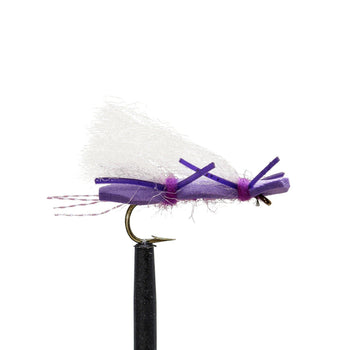
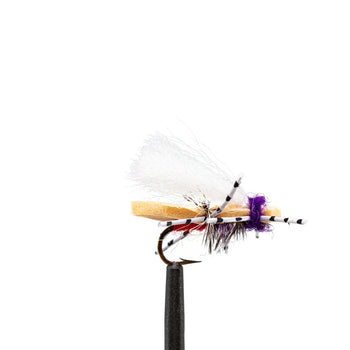
Chubby Chernobyl – Purple (Sizes 8–12): The Western workhorse. Its bright color makes it easy to spot, and trout crush it whether they're looking for hoppers, cicadas, or just something big and edible.
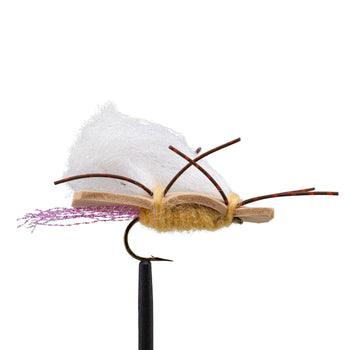
Chubby Chernobyl – Tan (Sizes 8–12): More natural than purple, tan blends in during late-season grasshopper activity. Excellent when trout are being picky under bright skies.
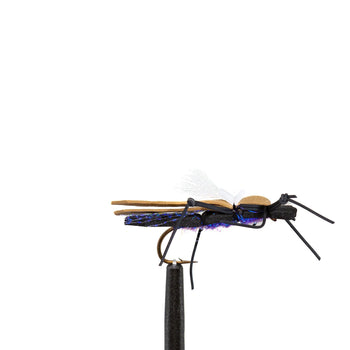
Micro Chubby Chernobyl – Natural/Purple (Micro Joker) (Sizes 12–16): A downsized foam pattern with an attractor twist, perfect for medium currents and wary trout that shy away from larger offerings.
Water Walker – Black (Sizes 10–14): A must-have for overcast days or in waters with dark banks and shade. Its strong silhouette is easy for trout to track in glare.
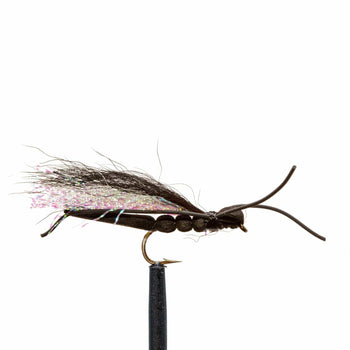
Foam Flying Ant (Sizes 14–18): A buoyant ant imitation that excels during swarming events or post-rain hatches. Deadly in slicks and pools where natural ants collect.
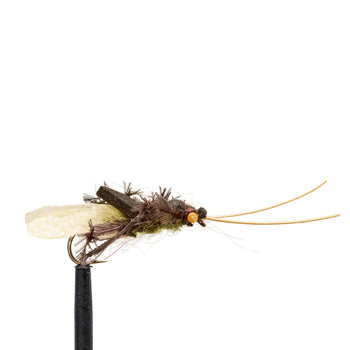
Cicada (Sizes 8–12): A must-have for regions with cicada activity. Large, loud, and buoyant, it draws violent surface strikes near grassy banks and tree-lined stretches.
📌 Pro Tip: Switch colors based on water clarity—bright foams like gold or purple are easier to track in riffles, while darker foams (black, tan) excel in low, clear glides.
Hoppers: The Splashy Summer Superstars
Grasshoppers are the rockstars of terrestrial fishing, delivering heart-pounding surface strikes that define late-summer trout action. Their large size and clumsy landings make them irresistible to trout, especially in open, grassy areas where they're blown into the water by summer breezes. Hoppers are perfect for anglers who love bold presentations and aggressive takes, offering a thrilling way to connect with trout in fast or turbulent water.
When to Fish Hoppers
- Windy Afternoons: Gusts knock hoppers into the water, triggering feeding frenzies.
- Grassy Meadows & Open Banks: Trout patrol these areas, expecting hoppers to fall from tall grasses.
- Fast Water & Riffles: Hoppers' splashy landings blend naturally in choppy currents.
- Post-Harvest Fields: Late summer agricultural activity stirs up hoppers, increasing their presence in nearby rivers.
Presentation Tips
Fish hoppers with a dead-drift to mimic a natural fall, but don't hesitate to add a slight twitch or "skate" by lifting the rod tip to imitate a struggling grasshopper—this can provoke explosive strikes. Aim for splashy casts near banks or undercuts to simulate a hopper's clumsy entry. In slower water, use a lighter tippet (4X) and a delicate presentation to avoid spooking fish.
Featured Patterns
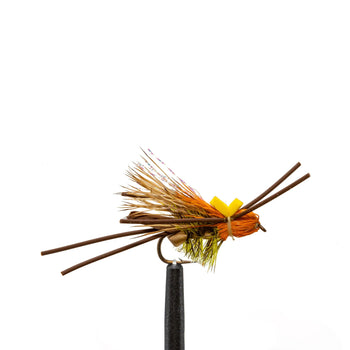
Green Envy Hopper (Sizes 8–12): A vibrant foam hopper with a realistic profile. Best for bright, sunny days on meadow streams and grassy rivers.
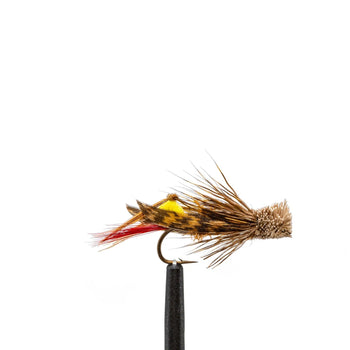
Dave's Hopper (Sizes 8–12): A deer-hair classic with a yellow underbelly that fishes great in murky water or under low-light conditions.
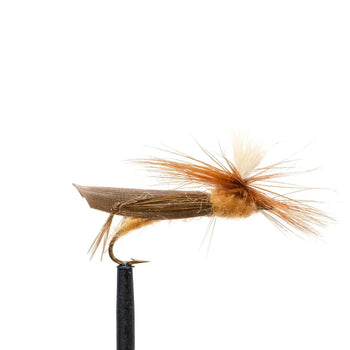
Parachute Hopper (Sizes 10–12): A low-riding hopper with a parachute post for visibility. Excels in calm seams and slower edges where trout scrutinize the drift.
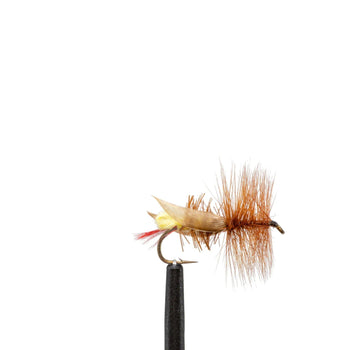
Joe's Hopper (Sizes 8–10, Black): A robust foam hopper with a high-floating design. Perfect for turbulent water or carrying heavy droppers in a hopper-dropper rig.
📌 Pro Tip: Start big on breezy afternoons, but downsize to olive or tan parachute hoppers in flat water when trout get selective.
Ants: The Underrated Killer
If there's one terrestrial that consistently produces but rarely gets top billing, it's the ant. Trout see them constantly, and they rarely refuse them. Ants are also deadly when fished in tandem with other small terrestrials—drift them in slicks, glides, or lake edges where fish cruise just under the surface.
When Ants Shine
- Midday Lulls: When other terrestrials aren't moving, ants keep producing.
- After Summer Storms: Flying ants fall in masses, triggering feeding frenzies.
- Slow Slicks & Lake Edges: Cruising trout sip ants confidently in these calm zones.
Tandem and Lake Tips
Fish ants in tandem with a beetle or another ant (12–16 inches of 5X tippet off the lead fly) for double the appeal. In lakes, cast ants near shorelines where trout patrol for drowned insects, using slow, steady retrieves to mimic struggling ants.
Featured Patterns
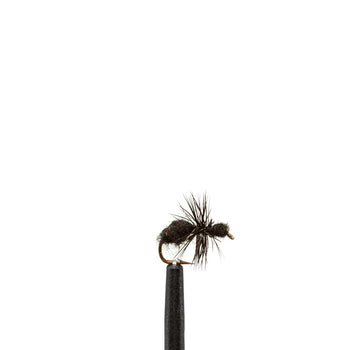
Black Ant (Sizes 14–20): The universal terrestrial. Simple, effective, and a must-have in multiple sizes for summer fishing.
Super Ant – Black (Sizes 14–18): A buoyant, segmented foam ant that rides high and fools surface-feeding trout along banks and seams.
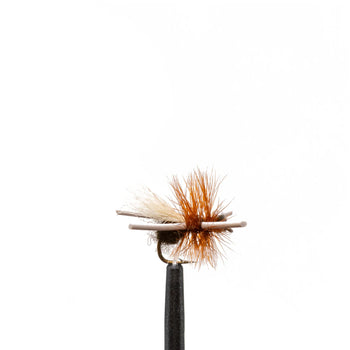
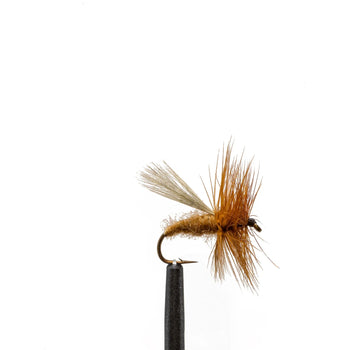
Cinnamon Ant (Sizes 14–18): A warm-toned variation that shines on sunny afternoons in meadows and high-country streams.
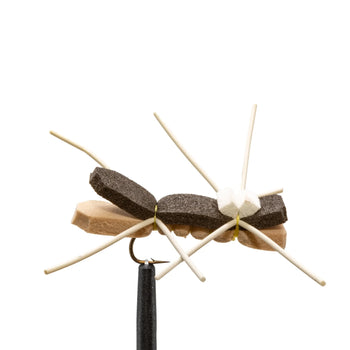
Chernobyl Ant (Sizes 14–18): A bold foam-bodied ant pattern that stands up in faster water. Great for windy afternoons when trout expect larger terrestrials.
📌 Pro Tip: In stillwaters, let ants sit motionless after casting—trout often sip them seconds after they land. Use desiccant powder to revive waterlogged ants after multiple casts.
Beetles: The Stealthy Summer Secret
Grasshoppers might get all the attention, but beetles are often the more consistent terrestrial choice. Trout encounter them daily, especially in rivers with grassy or wooded banks. They don't create the splash of a hopper, but their smaller, natural profile draws confident eats—even from selective fish.
When to Fish Beetles
- Under Overhanging Branches: Beetles drop naturally from foliage, attracting trout holding below.
- Calm, Hot Afternoons: Perfect when trout shy away from bigger patterns.
- Along Cutbanks and Slow Seams: Beetles drift subtly, unnoticed by most anglers but irresistible to trout.
Tandem Rigs
For picky fish, try a beetle-ant tandem: tie a Foam Beetle (size 12–14) as the lead fly, with a Black Ant (size 16–18) on 12–16 inches of 5X tippet off the bend. This covers multiple feeding zones in slicks or glides.
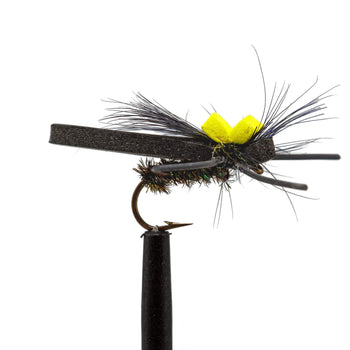
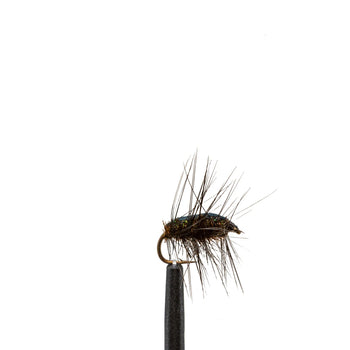
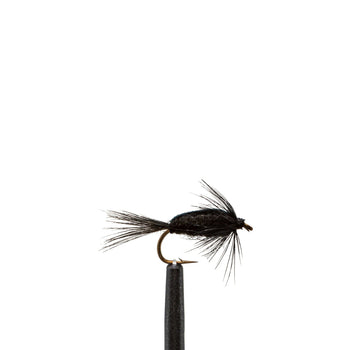
Featured Patterns
Snake River Beetle (Sizes 12–16, Black, Green): A JHFLYCO original. Low-riding foam design that excels on windy afternoons when naturals hit the water.
Black Beetle (Sizes 12–16, Black): The simplest—and most reliable—beetle pattern. Its silhouette and foam body make it effective across nearly any water.
Black Nymph (Sizes 12–16, Black): A versatile, sleek pattern that mimics small beetles or aquatic insects. Effective in clear waters and under overhanging branches.
📌 Pro Tip: Add a subtle twitch mid-drift to mimic a beetle struggling on the surface. That slight movement often seals the deal with hesitant trout.

Essential Gear for Terrestrial Fishing
To maximize your success, equip yourself with gear tailored to summer conditions:
- Rods: A 9'0" 5WT rod balances power for hopper-droppers with precision for delicate ants.
- Lines: Weight-forward floating lines turn over bulky foam flies in wind.
- Accessories: Carry gel floatant for foam flies and desiccant powder to revive patterns. Micro split-shot fine-tunes nymph depth in deep pools.
- Tippet: Stock 3X–4X monofilament for surface flies and 4X–5X fluorocarbon for droppers to balance strength and presentation.
Overcoming Common Challenges
- Tangles with Hopper-Droppers: Use heavier tippet (3X–4X) and a shorter dropper (12 inches) to reduce tangles. Cast with an open loop to keep flies separated.
- Missing Strikes: Trout often sip ants or beetles gently. Watch for subtle rises and set the hook softly to avoid pulling the fly away.
- Flies Sinking: Apply gel floatant before fishing and carry desiccant powder to revive waterlogged patterns.
- Picky Trout: Scale down to beetles or ants, or switch to darker colors for a subtler presentation in clear water.
Taking it to the Water
Terrestrial fishing is about reading the river and its banks. Start with splashy hoppers and Chubby Chernobyls in riffles and pocket water, then scale down to beetles or ants for picky fish in slicks or pools. Use hopper-dropper rigs to cover depth, or switch to single terrestrials for delicate presentations. Variety is key—trout may ignore the biggest bug but rarely pass a well-matched terrestrial.
At JHFLYCO, we've seen terrestrials turn tough days into triumphs. On a scorching August trip to the Snake, our team watched selective trout ignore mayflies but hammer a Snake River Beetle drifted under a willow. Moments like that remind us why terrestrials are summer's secret weapon. As summer fades into fall, stock your fly box with hoppers, foam, beetles, and ants in multiple sizes and colors, and hit the water ready for explosive eats and unforgettable fish.
Ready to chase summer trout? Visit JHFLYCO for our curated terrestrial patterns, or share your favorite hopper, beetle, or ant story in the comments below—we'd love to hear about your adventures!


