

Late-Season Nymphing Guide – Fall Trout Rigs & Flies

As October cools and the last mayflies fade, trout settle into deeper, slower water—feeding steadily but less aggressively. While dry-fly action slows, nymphing remains the most consistent way to find fish through late fall. Mastering the right depth, drift, and fly combinations can turn cold days into some of your best of the year.
Whether you’re working a deep pool or a narrow pocket seam, these late-season techniques will help you stay dialed in when trout turn selective and the water turns clear.
Understanding Fall Trout Behavior
In cold water, trout conserve energy. They won’t move far to chase food, but they still eat consistently. Most meals come from drifting nymphs—mayflies, midges, and caddis larvae tumbling along the riverbed.
The key to success is delivering your flies naturally and at the correct depth.
To do that, you need a well-tuned rig, a sensitive setup, and a clear understanding of how current speed, fly weight, and leader construction all work together.
Essential Rigs for Late-Season Nymphing
Effective nymphing starts with balance—between weight, leader length, and fly placement. Each of these rigs serves a purpose, whether you’re probing fast pocket water or dissecting a slow tailout. Knowing when and how to adjust keeps your flies drifting perfectly in the strike zone.

1. Indicator Nymph Rig
Ideal for deep runs and slower currents, the Indicator Nymph Rig is a cornerstone setup for late-season trout fishing. By combining weighted flies with a visible strike indicator, it lets you control both depth and drift speed—keeping your flies in the strike zone where cold-water trout hold tight to the bottom. This rig excels when water temperatures drop and fish feed less aggressively, giving you the sensitivity needed to detect even the softest takes.
Components
- Strike Indicator – Thingamabobber for high visibility, durability, and easy on-stream depth adjustments.
- Weighted Nymph(s) – Beadhead Pheasant Tail, Hare’s Ear, Prince Nymph, Zebra Midge, or WD-40 — covering a range of mayfly, caddis, and midge imitations.
- Split Shot (Optional) – Add 6–12" above the fly to fine-tune depth in stronger currents or deeper runs.
- Fluorocarbon Tippet (5X–6X) – Provides stealth, abrasion resistance, and a faster sink rate in cold, clear water.
How to Set It Up
- Attach a strike indicator to your leader about 1.5–2× the water depth above your fly.
- Tie your weighted nymph to the end of your fluorocarbon tippet using an improved clinch knot.
- If needed, place split shot 6–12" above the fly to help reach the bottom.
- Adjust your indicator as needed to keep your fly drifting naturally along the substrate.
How to Fish It
Drift this rig through deep pools, slow seams, and tailouts where trout conserve energy. Mend your line early to reduce drag, and watch the indicator closely—late-season strikes are subtle, often just a small pause or hesitation. Adjust weight or indicator position as you move between depths to stay in the feeding lane.
📌 Pro Tip: On sunny fall afternoons, swap your top nymph for a smaller emerger (like a WD-40) and raise your indicator slightly—trout often rise a few inches to intercept drifting midges or mayflies as water warms.
2. Split-Shot Dropper Rig
The Split-Shot Dropper Rig is one of the simplest and most adaptable nymphing systems you can fish. By placing a small split shot above your flies, you can quickly reach the strike zone and maintain a natural drift through varied water types. This rig shines when trout are feeding deep but occasionally suspend mid-column—especially in the cold, clear water of late fall and winter.
Components
- Weighted and Unweighted Nymphs – Beadhead Pheasant Tail, Hare’s Ear, Prince Nymph, Rainbow Warrior, or Zebra Midge.
- Split Shot – Main weight placed 6–12" above the upper fly to control sink rate.
- Fluorocarbon Leader & Tippet (4X–6X) – Adds stealth and helps the flies sink faster.
- Thingamabobber Indicator (optional) – Provides high visibility and excellent buoyancy in deeper or mixed currents.
How to Set It Up
- Begin with a 9–12 ft fluorocarbon leader, tapered to 4X or 5X.
- Tie your first (heavier) fly to the end of the leader.
- Add a second fly 12–18" below, tied off the bend of the first hook or on a short tag of lighter 5X–6X tippet.
- Pinch on a split shot 6–12" above your top fly—just enough weight to occasionally tick bottom without dragging.
- If desired, attach a Thingamabobber indicator 1.5–2× water depth above the flies for strike detection and drift tracking.
How to Fish It
Drift this rig through riffles, seams, and transitional runs where trout move between depths to feed. The split shot anchors your rig while the trailing fly rides slightly higher, imitating drifting insects. Mend early to eliminate drag, and watch your line or indicator for the smallest hesitation—it often means a take.
📌 Pro Tip: Instead of adding heavier flies, fine-tune your weight with smaller split shot sizes. Slight changes in weight placement can dramatically improve how naturally your flies drift along the bottom.
3. Tandem “Shotgun” Rig
The Tandem “Shotgun” Rig is designed to cover multiple feeding zones in a single drift. By fishing three flies at staggered depths—an anchor near the bottom, an attractor mid-column, and a lighter emerger or midge near the surface—you can locate where trout are feeding without constantly re-rigging. This setup excels when conditions are variable or trout are spread out across the water column, such as during late-fall transitions when food sources and temperatures fluctuate.
Components
- Anchor Fly (Bottom) – Tungsten Bead Prince Nymph, Heavy Perdigon, or Beadhead Hare’s Ear.
- Middle Fly (Attractor / Mid-Depth) – Rainbow Warrior, Flashback Pheasant Tail, or Two-Bit Hooker.
- Top Fly (Light / Emerger) – WD-40, RS2, or Zebra Midge.
- Fluorocarbon Tippet (4X–6X) – Provides abrasion resistance and quick sink rate.
- Optional Thingamabobber Indicator – Use in deeper or off-color water where visual strike detection helps.
How to Set It Up
- Start with a 10–12 ft fluorocarbon leader, tapered to 4X.
- Tie your anchor fly at the end of the tippet—this controls depth and stability.
- About 12–14" above the anchor, add a short 6–8" tag with your middle fly using a triple surgeon’s or blood knot.
- Add your top fly another 10–12" above that, tied on a slightly longer tag to ride higher in the drift.
- Adjust fly weight and spacing so the anchor occasionally ticks bottom while the upper flies drift freely above.
How to Fish It
Fish the Tandem Shotgun Rig through riffles, seams, and depth transitions where trout occupy different zones. Start by focusing on the bottom fly—if fish aren’t responding, they may be suspended higher, in which case the mid or top fly will produce. Maintain a steady, drag-free drift and keep light tension to detect subtle takes.
📌 Pro Tip: Stagger your tippet strengths—use 4X for the anchor section, 5X for the mid fly, and 6X for the top. This keeps the system balanced and ensures that if you snag bottom, you’ll only lose the lowest section, not the entire rig.
4. Tight-Line / Euro Rig
When water turns cold and clear, the Tight-Line (Euro) Rig offers unmatched precision and feel. Instead of relying on an indicator, this system keeps you in direct contact with your flies through a long, thin leader and a hi-vis sighter section. It’s perfect for dissecting pocket water, seams, and deeper runs where subtle takes are easy to miss. With minimal slack, you’ll feel every bump of the riverbed — and every strike.
Components
- Rod – Yellowstone II 9' 5WT or Yellowstone Signature 10' 3WT for maximum reach and sensitivity.
- Leader System – 18–20 ft tapered mono leader with a short hi-vis sighter section (fluorescent orange or chartreuse).
- Anchor Fly (Bottom) – Tungsten Bead Perdigon, Prince Nymph, or Heavy Hare’s Ear for fast sink and contact.
- Tag Fly (Upper) – Frenchie, Zebra Midge, or WD-40 on a 6–8" tag 12–14" above the anchor.
- Fluorocarbon Tippet (5X–6X) – Provides stealth and maintains sink rate.
How to Set It Up
- Tie a tippet ring to the end of your sighter section to simplify leader changes.
- Add 18–24" of 5X–6X fluorocarbon below the tippet ring.
- Tie your anchor fly to the end of that section.
- About 12–14" above the anchor, tie a tag off a triple surgeon’s knot and attach your upper fly (6–8" long tag).
- Adjust fly weight or leader angle until you feel light bottom contact every few drifts.
How to Fish It
Cast slightly upstream and lead the drift with your rod tip high, keeping a tight line between rod and flies. Follow the drift downstream with smooth, controlled motion — not pulling, just guiding. Maintain direct contact and watch the sighter for subtle pauses or twitches that signal a strike.
This rig excels in riffles, pocket water, and seams, especially when trout are glued to the substrate in cold flows.
📌 Pro Tip: Use tungsten flies to control depth rather than adding weight to the line. Adjust sink rate by swapping your anchor fly first — a small change in bead size can make or break contact with feeding fish.
5. Suspension Rig (Dry-Dropper System)
The Suspension Rig bridges the gap between indicator nymphing and dry-fly fishing. Instead of a plastic indicator, a buoyant dry fly like a Chubby Chernobyl or Amy’s Ant suspends one or two small nymphs below. This stealthier system shines in shallow riffles, glides, or on sunny fall afternoons when trout occasionally rise to the surface.
Components
- Suspender Fly (Dry) – Chubby Chernobyl, Amy’s Ant, or Hi-Vis Beetle.
- Dropper Nymph(s) – Beadhead Pheasant Tail, Zebra Midge, or WD-40.
- Fluorocarbon Tippet (5X–6X) – For natural sink rate and subtle presentation.
How to Set It Up
- Tie your dry fly to the end of your leader.
- Add 12–24" of 5X–6X tippet to the bend of the dry fly’s hook.
- Tie on your dropper nymph.
- Optionally, add a second dropper 12" below the first if depth allows.
How to Fish It
Target shallow seams, riffles, and transitions between fast and slow water. Drift naturally, letting the dry act as both an attractor and strike indicator. Watch for subtle hesitations or dips of the dry fly—it may signal a take on the nymph below.
📌 Pro Tip: Use floatant sparingly—too much on the dry can make the rig ride unnaturally high. Re-grease often, and adjust tippet length to match the depth of the water you’re fishing.

Tuning Your Setup
Even the best rig only performs as well as it’s tuned. Late-season nymphing is about subtle adjustments—small changes in weight, leader length, and drift speed that make your flies behave like the real thing. Before you switch patterns, refine your setup for the depth, current, and fish behavior right in front of you.
Weight & Depth
In cold water, trout feed close to the bottom where temperature and current stay consistent. Getting your flies there naturally is everything. Start light and add weight gradually until you feel an occasional tick—too much and your drift looks forced. Use tungsten beadheads or a single split shot to fine-tune depth instead of overhauling your entire rig.
Leader & Tippet
Fluorocarbon is your friend in fall—it sinks fast and disappears in clear water. A longer leader (10–12 ft) paired with supple 5X–6X tippet improves drift and reduces drag. If you’re fishing technical tailwaters, consider dropping to 6.5X or using a two-diameter leader for better turnover and stealth.
Rod & Reel Balance
A sensitive rod amplifies every subtle take. A 9’ 5WT Yellowstone II is ideal for all-around nymphing, while a 10’ 3WT Euro rod offers extra reach and precision for tight-line work. Match it with a smooth-drag reel like the Yellowstone Grizzly to protect fine tippet and maintain consistent tension during long drifts.
📌 Pro Tip: Adjust depth before changing flies. Most missed fish in fall come from being just six inches too high.
Choosing the Right Fly Patterns
Late-season insect life is smaller, darker, and more subdued than in summer. Focus on imitations that match fall mayflies, midges, and caddis, with just enough flash to draw attention.
Mayflies
From Blue-Winged Olives to smaller Baetis species, mayflies dominate fall hatches across much of the West. Cloudy days and steady flows bring reliable mid-afternoon activity, and even when nothing’s hatching, trout feed heavily on mayfly nymphs tumbling near the bottom. Stick with natural olive, brown, or gray tones in #16–22 to imitate fall generations.
When to Expect: September–November, strongest on overcast afternoons and mild days.
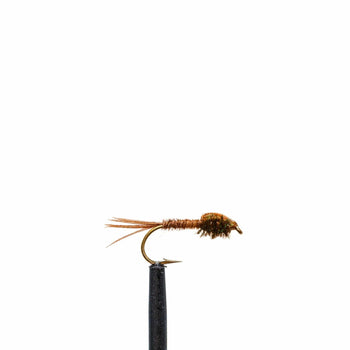
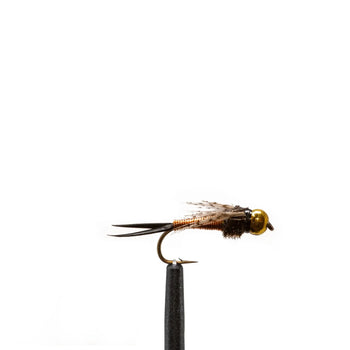

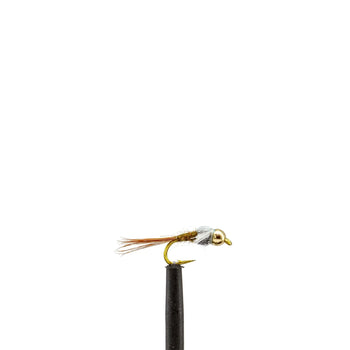
- Pheasant Tail Nymph (Sizes 16–20): A timeless imitation of Baetis and other small mayflies. Fish it under an indicator or in a tandem rig to imitate drifting nymphs between hatches.
- Copper John (Sizes 14–18): A heavy, fast-sinking attractor that gets down quickly in deep or fast water. Its wire body adds flash and durability, making it a reliable choice for probing the bottom.
- Tungsten Bead Perdigon Jig (Olive, Black, or Purple, Sizes 16–20): A slim, fast-sinking mayfly imitation built on a jig hook to reduce snags. Its tungsten bead drives it quickly into the feeding zone, making it ideal for tight-line or Euro-style presentations.
- Beadhead BWO Emerger (Sizes 18–22): Designed to ride just under the surface film when trout switch to emergers. Try it as a dropper below a small dry.
📌 Pro Tip: Trout often feed deeper than you think during mayfly hatches. Start with a heavier nymph, then lighten your rig as fish move up in the column.
Midges
When temperatures fall and other hatches fade, midges become the main course. These tiny insects are active year-round and thrive in cold, clear water—making them essential for late fall and winter success. Focus on smaller sizes (#18–24) and subtle colors like black, red, and gray.
When to Expect: Consistently active all season; strongest on calm mornings and afternoons.
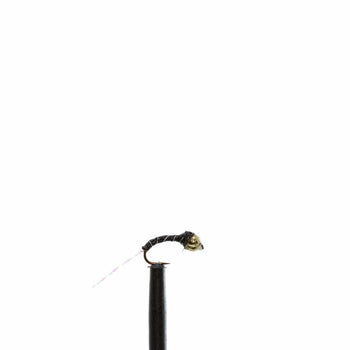
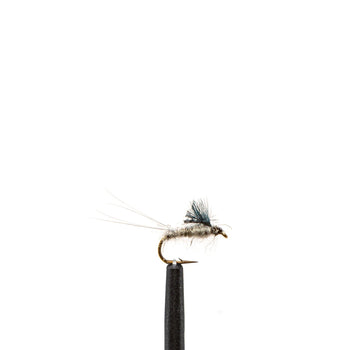

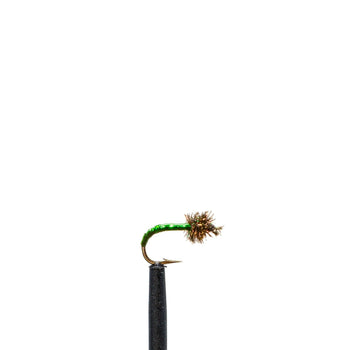
- Zebra Midge (Black, Red, or Olive, Sizes 18–24): The standard for subsurface midge fishing. Simple, durable, and effective whether fished solo or in tandem below a heavier fly.
- RS2 (Sizes 20–24): An emerger pattern that shines during active midge or BWO hatches. Fish it unweighted behind a small split shot for delicate presentations.
- WD-40 (Black or Olive, Sizes 20–24): Works as both a midge and mayfly emerger. Use it in tandem with a heavier anchor fly to target trout suspended mid-column.
- Disco Midge (Red, Chartreuse, Sizes 18–22): A flashy attractor midge that’s perfect for overcast or slightly off-color water. The added sparkle draws attention when trout key on small drifting insects.
📌 Pro Tip: Midges are about drift, not distance. Light tippet (6X–7X) and precise presentations are far more important than matching the perfect color.
Caddis Larvae & Pupae
Though major caddis hatches taper off in late fall, their larvae remain an important food source year-round. Trout feed on these drifting insects in riffles and runs, especially before winter. Focus on green, tan, and olive patterns in #14–18.
When to Expect: September–early November, strongest in mid-afternoons as water warms.
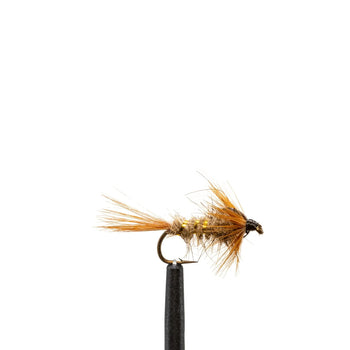


- Hare’s Ear Nymph (Sizes 14–18): A classic caddis imitation that doubles for mayfly nymphs. Its buggy texture and natural tones make it a must-carry in every fall box.
- Caddis Pupa (Green or Brown, Sizes 16–18): Represents emerging caddis ascending through the water column. Fish it on a dropper or swing it gently at the end of your drift.
- Tungsten Bead Walt’s Worm Jig (Sizes 14–16): A clean, heavy caddis imitation that gets down quickly in cold, fast water. Its jig hook rides point-up to reduce snags.
- Sparkle Rock Roller (Sizes 14–16): A flashy caddis pupa with subtle shimmer that imitates emerging insects in mid-column currents.
📌 Pro Tip: As water cools, focus on slower seams and pocket water near structure—trout won’t chase, but they’ll eat a drifting larva that passes close.
Stoneflies & Attractors
While smaller bugs dominate late fall, a few large stoneflies and attractor patterns still draw attention—especially on freestone rivers with rocky bottoms. Use them as anchors in multi-fly rigs or when searching unfamiliar water.
When to Expect: Sporadically year-round; most effective in riffles and fast runs.


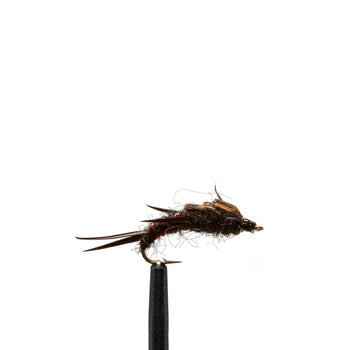
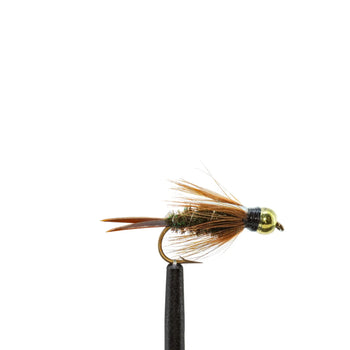
- Rootbeer Rubber Legs (Sizes 8–10): A flashy attractor-style stonefly with rubber legs for added motion. Perfect in stained or turbulent water when trout need a bigger visual cue.
- Zirdle Bug (Natural or Olive, Sizes 8–10): A modern hybrid between a zonker and a stonefly. Its slim profile and rabbit tail create lifelike motion in deep runs and pocket water.
- Kaufmann’s Stonefly Nymph (Brown or Black, Sizes 6–10): A heavy, realistic stonefly imitation that gets down fast in cold, rocky water. Ideal as the anchor fly in two- or three-fly rigs.
- Beadhead Prince Nymph (Sizes 12–16): A slightly heavier version of the classic attractor, ideal for deeper seams or tandem rigs where extra weight helps maintain depth.
📌 Pro Tip: Use these larger patterns as your point or anchor fly to help smaller midges or mayflies reach depth faster and stay in the strike zone.
Terrestrial Holdovers
By late October, most hoppers and ants have disappeared, but the occasional warm afternoon can still bring a few bugs onto the water. Trout that spent months feeding on these large meals often continue to look for them, especially in meadow sections or along grassy banks. Keeping a few foam terrestrials in your box can turn a mild fall day into a bonus dry-fly session.
When to Expect: Warm, sunny afternoons through the end of October, especially on lower-elevation or meadow streams.
|

|
|

|
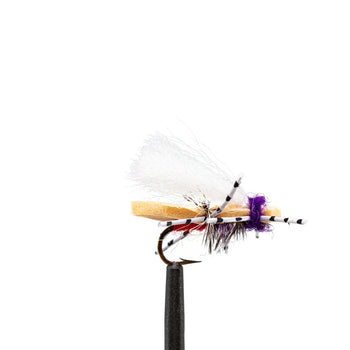
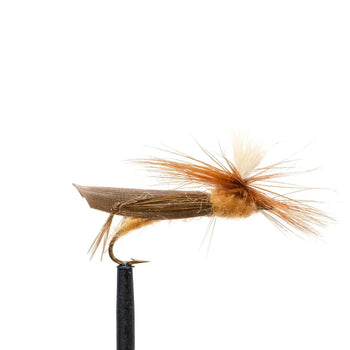
| Chubby Chernobyl | Chernobyl Ant | Parachute Hopper | Madam X |
- Chubby Chernobyl (Tan, Olive, or Royal, Sizes 10–14): A high-floating, durable foam fly that doubles as a dropper indicator. Ideal for covering grassy banks or probing edge seams.
- Chernobyl Ant (Black or Tan, Sizes 12–14): Simple and deadly, this foam-bodied pattern is a must-have on clear, calm afternoons when trout rise opportunistically.
- Parachute Hopper (Sizes 10–14): A realistic, low-riding pattern that imitates late-season hoppers and crickets. Great for slow pools or foam lines.
- Madam X (Yellow or Orange, Sizes 10–14): A versatile attractor dry that passes for a hopper, stonefly, or beetle. Works well as a single dry or in a hopper-dropper setup.
📌 Pro Tip: On unseasonably warm fall days, fish these terrestrials with a small WD-40 or Zebra Midge dropper. Even when the hatch is over, trout rarely ignore an easy surface meal.
Late-Season Strategy: Reading the Water
- Morning: Focus on deeper runs—water is cold and fish hold low.
- Midday: As light warms the shallows, shift to riffles and seams.
- Evening: Work tailouts and transition zones where fish move up to feed before dark.
Repeat drifts from multiple angles and vary the entry point of your cast. Cold-water trout won’t chase, but they’ll eat if your drift passes right by their nose.
Taking It to the Water
Late-season nymphing rewards precision over speed. Slow down, watch your drift, and adjust constantly. Each subtle take, each tiny pause, is an opportunity to connect with a trout that’s been feeding unseen beneath the surface.
The crowds are gone, the rivers are quiet, and every fish you hook feels like a small victory against winter’s approach.
So grab your nymph box, build a smart rig, and trust the drift—because the best fall fishing happens below the surface.


