

Late-Summer Dry Fly Essentials: 8 Proven Patterns for August Trout

Late summer can be a technical yet rewarding time for dry fly anglers. With warm days, low and clear water, and trout feeding selectively, August offers some of the most exciting surface action of the year — if you know which hatches to target and how to present your fly. In this guide, we'll cover the late-summer dry fly essentials, from tiny Tricos to stealthy ants, so you can make every rise count.
Why Late-Summer Dry Fly Fishing Is Different
By August, aquatic insect activity shifts toward smaller, more delicate patterns. The hatches are often mid-morning to mid-day, and trout can become extremely selective. Instead of the aggressive spring takes, you'll often see slow, deliberate sips — a sign that fish are focused on small, specific insects. This means presentation and fly choice matter more than ever.
📌 Pro Tip: Downsize your leader and tippet. A 10–12' leader with 5X or 6X tippet will keep your presentation delicate and natural in clear water.
Late-Summer's All-Star Dry Fly Lineup
While many hatches fade as summer wears on, a handful of insect groups continue to produce reliable surface action well into August. Tricos, PMDs, BWOs, and ants each bring their own timing, behavior, and presentation challenges — and mastering them will dramatically improve your success. The following breakdown covers what they are, when they hatch or appear, and how to fish them effectively.
1. Tricos – The Tiny Powerhouse
When: Early to mid-morning, often between 8–11 a.m.
What: Tricorythodes (Tricos) are some of the smallest mayflies trout eat — typically size 20–24. These insects emerge in huge swarms on warm summer mornings, with males and females forming dense clouds above the water before mating. The resulting spinner falls carpet the surface, offering trout an easy, protein-rich meal.
How to Fish Them:
- Target sipping trout in slow, flat pools or tailouts.
- Fish with small spinners, duns, or cluster patterns.
- Use a high-visibility trailing dry to track your drift.
📌 Pro Tip: If you struggle to see your fly, use a double-dry setup — pair the tiny Trico with a slightly larger, visible pattern like a Parachute Adams to track your drift.
2. Pale Morning Duns (PMDs) – Consistent Midday Feed
When: Late morning to early afternoon, especially on cooler days.
What: Size 14–18 mayflies with pale yellow to cream bodies. PMDs thrive in clean, oxygen-rich water and can emerge steadily for weeks in summer, making them a dependable hatch. Their life cycle includes nymph, emerger, dun, and spinner stages — all of which trout may target.
How to Fish Them:
- Target runs and riffles with steady current.
- Use parachutes, emergers, and cripple imitations.
- Fish low-riding patterns during heavy emergence.
📌 Pro Tip: Watch for subtle refusals — if trout rise but don't eat, switch to a spent spinner pattern or an emerger fished in the film.
3. Blue-Winged Olives (BWOs) – Cloudy Day Specialists
When: Cool, overcast afternoons — especially during late-summer cold fronts.
What: Size 16–22 olive-bodied mayflies with slate wings. BWOs are a cold-weather favorite, but in August they can appear during overcast spells or before storms. Known for their delicate wings and slender bodies, they often hatch in slower currents and can bring even the wariest trout to the surface.
How to Fish Them:
- Work slower edges, seams, and foam lines.
- Try parachutes, sparkle duns, and CDC emergers.
- Cast downstream to avoid spooking fish in flat water.
📌 Pro Tip: Even in August, BWOs can trigger a strong rise if a storm rolls in. Keep a small fly box of BWO dries in your vest at all times.
4. Ants – Terrestrial Sleeper Pattern
When: All day, especially in hot, calm weather.
What: Terrestrial insects blown or dropped into the water — black, cinnamon, and red ants in sizes 14–20. Ants are nutrient-packed, and trout often feed on them opportunistically after wind gusts or during large flying ant falls.
How to Fish Them:
- Drift them along cutbanks, under overhanging willows, and near foam lines.
- Try foam-bodied ants, flying ants, and smaller terrestrials.
- Fish them as singles or as part of a dry-dropper rig.
📌 Pro Tip: Flying ant falls can be legendary. If you see swarms of mating ants in the air, expect an all-day surface feast.
JHFLYCO Late-Summer Dry Fly Picks
Choosing the right dry flies in late summer means matching small, precise imitations to selective trout that have been feeding under low, clear conditions for weeks. The following patterns represent our top-performing options for August — each proven to fool fish during Trico swarms, PMD hatches, BWO afternoons, and terrestrial falls. Whether you're working technical tailouts or prospecting along cutbanks, these flies give you a reliable edge.
|
|
|
|
|
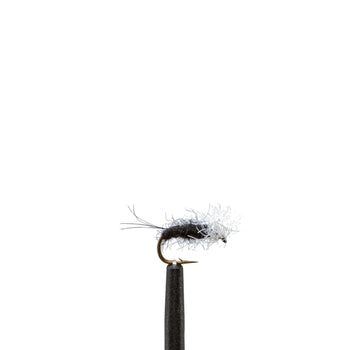
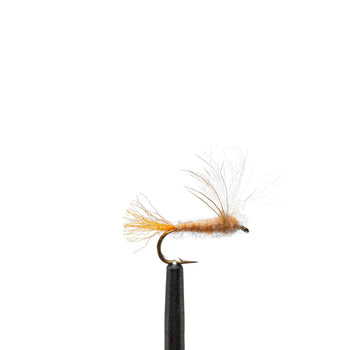
Trico Spinner |
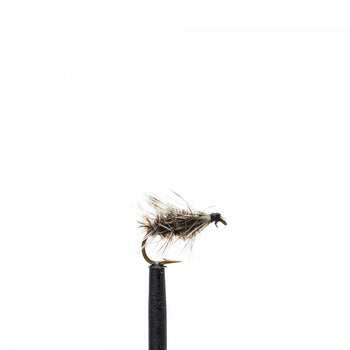
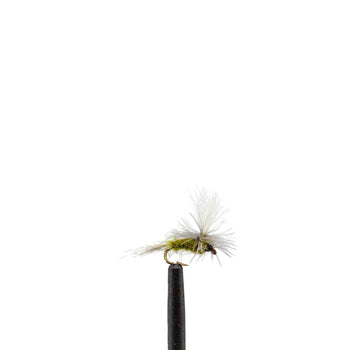
Griffith’s Gnat |
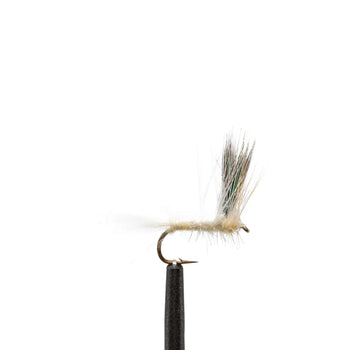
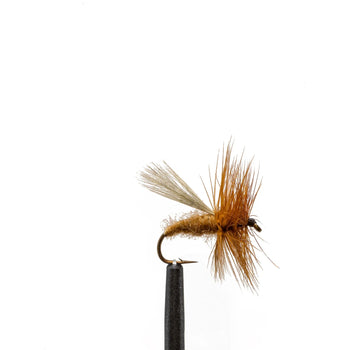
PMD Parachute |
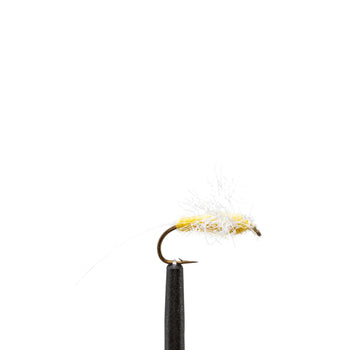
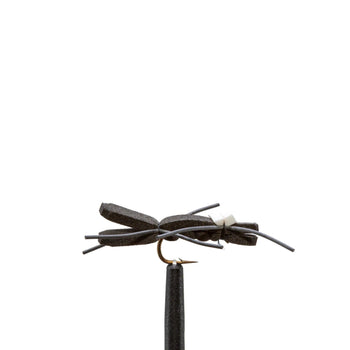
PMD Spinner |
|
|
|
|
|
BWO Sparkle Dun |
BWO Parachute |
Cinnamon Ant |
Chernobyl Ant |
- Trico Spinner (Sizes 20–24): Essential for matching tiny Trico spinner falls during calm, clear mornings. Black offers silhouette contrast, while olive mimics freshly fallen spinners.
- Griffith’s Gnat (Sizes 18–24): An excellent Trico hatch alternative that’s highly visible and effective when fish are sipping small insects in calm water.
- PMD Parachute (Sizes 16–18): A versatile pattern for matching Pale Morning Dun hatches in riffles and runs.
- PMD Spinner (Sizes 16–18): Deadly when fish key in on vulnerable emergers stuck in the surface film.
- BWO Sparkle Dun (Sizes 18–20): Ideal for cloudy afternoon Blue-Winged Olive hatches, with a trailing shuck for realism.
- BWO Parachute (Sizes 18–22): A high-visibility BWO pattern for flat water and selective trout.
- Cinnamon Ant (Sizes 14–16): Buoyant and visible, excellent for drifting along cutbanks and under willows.
- Chernobyl Ant - Black (Sizes 12–14): A larger terrestrial pattern that floats well and draws aggressive takes, perfect for prospecting in pocket water or along grassy banks.
When selecting flies, rotate between flashy and natural patterns to gauge what the fish prefer. In tight, technical water, consider fishing a single fly to reduce tangles and maintain precision. A 1.5mm to 2.5mm tungsten bead provides the right balance of weight and manageability for most summer conditions.
📌 Pro Tip: Experiment with fly size and color within the same pattern to dial in the bite. Late July trout can be picky, so subtle adjustments — like downsizing from a size 16 to a size 18 — can turn a slow day into a productive one.
Gear & Presentation Tips for August Dries
Success with late-summer dries often comes down to finesse and attention to detail. With trout feeding selectively and water conditions at their clearest, the right gear setup can make the difference between a refusal and a confident take. These essentials will help you present your flies naturally and spot those subtle, season-defining rises.
- Leaders & Tippet: Long, fine leaders (10–12') with 5X–6X tippet are key for spooky fish.
- Fly Floatant: Gel or powder floatants keep your small dries riding high without adding bulk.
- Polarized Sunglasses: Spotting subtle rises is half the game.
Taking it to the Water
Late-summer dry fly fishing is as much about observation and patience as it is about casting skill. Start each day by watching the water — identify feeding lanes, rising patterns, and the insects in play. Match your flies to the hatch, adjust your leader and tippet for stealth, and focus on precision drifts over repeated blind casts.
Small adjustments in size, color, or presentation can be the difference between refusals and steady hook-ups. With the right approach, August offers a unique opportunity to challenge your skills, connect with selective trout, and enjoy some of the most rewarding surface fishing of the season.
Whether it's the delicate sips on a Trico spinner, the aggressive slurp of an ant, or the confident take on a PMD, these moments define late-summer fly fishing. Pack smart, fish thoughtfully, and let every rise remind you why we chase the dry fly.


