

Why a 5WT Is the Most Versatile Rod in Fly Fishing

We're in the in-between — the stretch of the year when the river hasn't fully made up its mind yet. The water is still cold, but the light hangs a little longer each evening. Trout that spent winter glued to slow, deep lies begin to shift. Not charging banks. Not sipping consistently. Just moving — sliding into softer seams, tilting upward toward food, and giving you a few different "games" in a single day.
On a typical March session, you might nymph at first light, swing wets mid-morning, spot a short hatch window after lunch, and finish by stripping something small along a shaded bank.
That's not a three-rod day. It's a 5-weight day.
If you own one rod for the transition season, it should be a 9' 5WT — the one setup that never really runs out of answers.
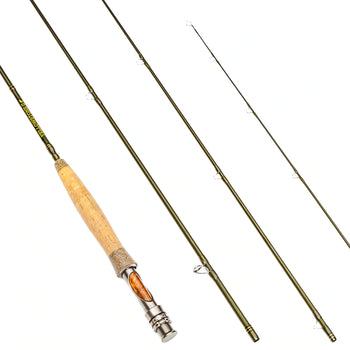
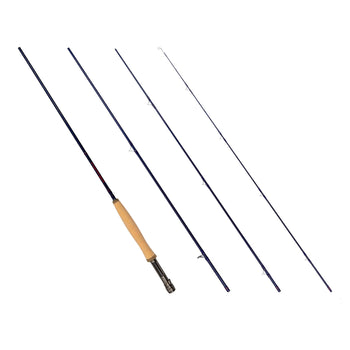
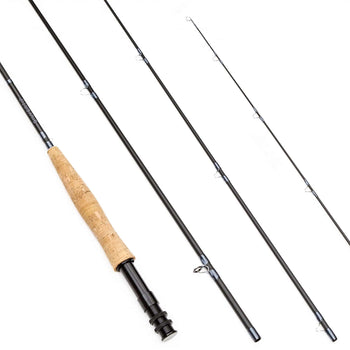
At JHFLYCO, that versatility shows up across the lineup:
- Yellowstone II 9' 5WT — A powerful, fast-action workhorse built for wind, weight, and clean turnover.
- Yellowstone Signature 9' 5WT — Faster recovery, tighter control, and maximum feel for anglers who want a more responsive blank.
- Silvertip 9' 5WT — Moderate-fast, forgiving, and incredibly smooth — a rod that simply fishes well all day.
Different casting personalities. Same mission: cover March without overthinking it.
Why the 5WT Owns the Transition
Every fly rod is a compromise.
Go lighter and you gain delicacy but surrender control in wind or heavier rigs. Go heavier and you gain power but lose touch — especially when protecting lighter tippet or fishing smaller flies.
The 5-weight lives in the middle. And March lives there too.
A true 5WT gives you:
- Backbone to turn over an indicator rig with split shot and a substantial anchor fly.
- Finesse to protect 5X–6X tippet when fish get selective.
- Line control to mend across mixed currents without fighting the rod.
- Feel at practical fishing distances — where most real casts actually happen.
In transition season, range beats specialty. The 5WT gives you that range without compromise.
📌 Pro Tip: If your rig feels "clunky," it's usually not the rod — it's too much weight for the depth you're actually fishing. Start lighter than you think and add weight in small steps until you're ticking occasionally, not constantly.
The Daily Progression: One Rod, Four Games
Transition season doesn't unfold in a straight line. The tactic that works at first light often fades by mid-morning. What produces after lunch may look completely different by late afternoon. The beauty of a 9' 5WT is that it keeps up.
1. Early Morning: Getting Down
The first hours belong to nymphs.
By March, trout aren't glued to the riverbed the way they are in January. They begin living mid-column — soft seams, inside bends, and feeding lanes that funnel drifting insects.
This is where the 5WT shines. It loads naturally with an indicator rig, turns over modest weight cleanly, and keeps enough sensitivity in the blank to distinguish between ticking gravel and a real take.
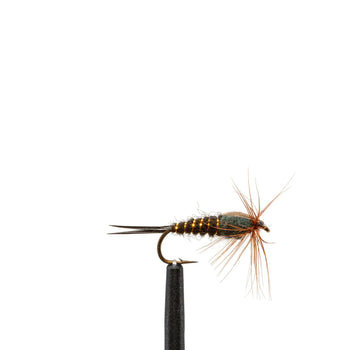
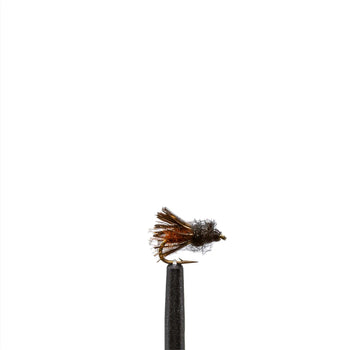
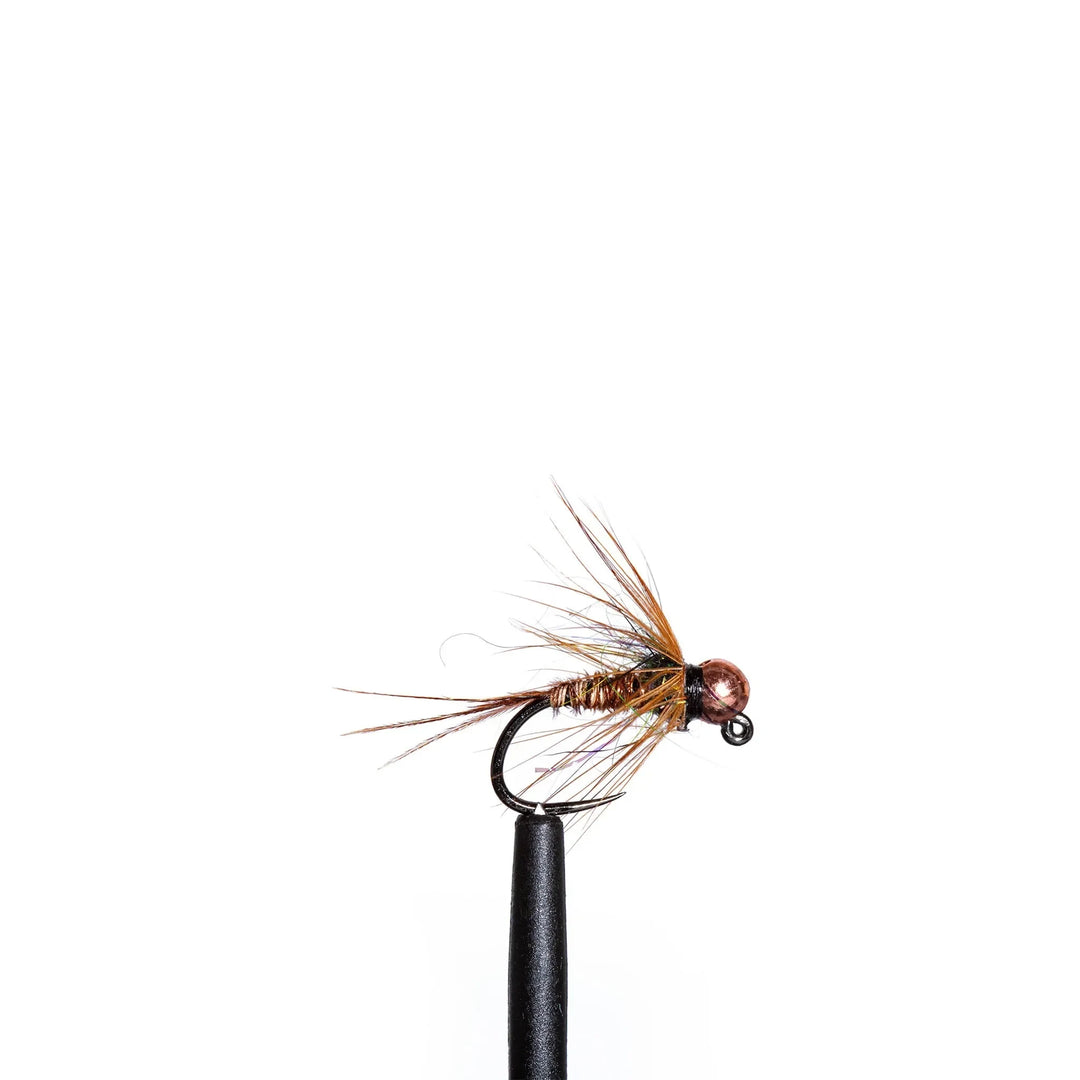
A simple two-fly rig covers most early-season scenarios:
Anchor (bottom fly):
- Stonefly Nymph – Brown or Black
Dropper (upper fly):
The goal isn't dredging bottom all day. It's staying in the feeding lane where fish are actively repositioning.
The Foundation: Pair your rod with a smooth Yellowstone Flow 5/6 Reel and Silvertip Weight Forward floating line, and you have a balanced system that handles indicator rigs without feeling overbuilt or clunky.
📌 Pro Tip: Set depth so your anchor rides just above where you think the fish are holding. In March, trout often slide up and feed mid-column — if you're ticking bottom every drift, you're probably a little too deep.
2. Mid-Morning: The Swing
After a few hours of sunlight, something shifts.
Trout begin moving laterally — pushing into tailouts and softer edges. This is where wet flies become remarkably effective.
March Browns don't start on the surface. They begin in the drift.
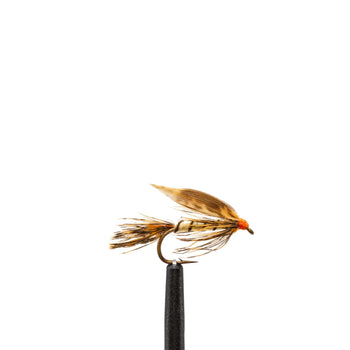
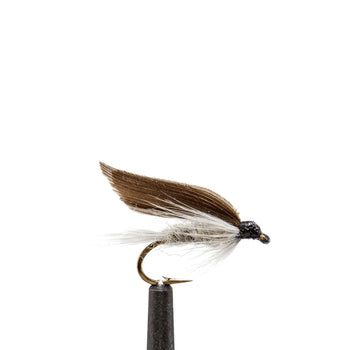
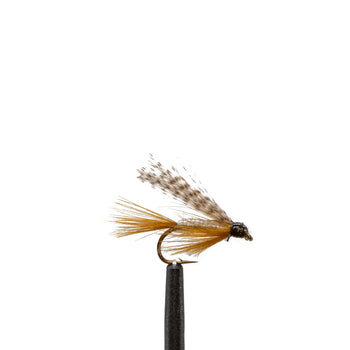
Swinging patterns like:
through softer current seams often outperforms waiting for visible rises.
The swing rewards feel. Cast slightly downstream, allow the line to belly naturally, and guide the fly as it arcs across the seam. Takes often come at the slow-down, when tension tightens subtly.
A 5WT excels here because it gives you line authority without overpowering the presentation. You can mend, steer, and feel the drift without fighting your own rod.
📌 Pro Tip: Most eats on the swing happen at the end of the drift. Let the fly hang for 2–3 seconds before you recast — that tiny pause is often when the take happens.
3. Afternoon: The Rise
Somewhere between 1:00 and 4:00 PM, things can change.
It starts quietly — a single ring. Then another. Then a rhythm.
After months of nymphing blind and hoping, you suddenly have a fish you can watch and a cast you can plan.
This is where balance matters most.
A 5WT presents dries softly enough to avoid spooking fish in flatter water, protects lighter tippet when a trout commits, and gives you enough reach to manage drag across layered currents.
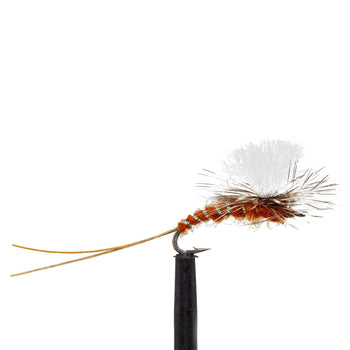
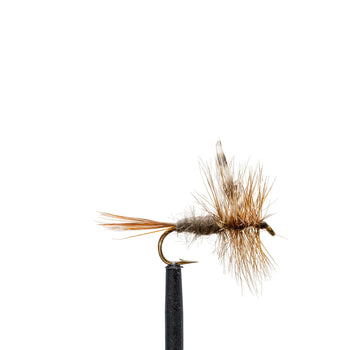
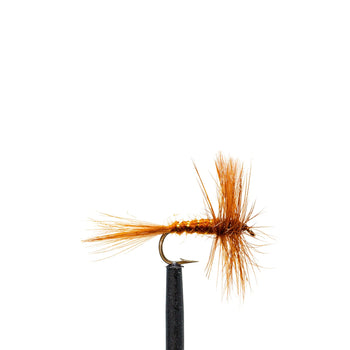
Simple options are often best:
You don't need a specialty dry-fly rod in March. You need control.
📌 Pro Tip: In March, a "good" rise window can be short. When you see consistent rings, fish the first 20 minutes hard — that's often the best part of the entire hatch.
4. Late Afternoon: A Little More Aggression
As the light drops, the mood shifts again.
Trout begin testing larger meals. Not full "meat season" yet — but enough that a small streamer makes sense.
You don't need to jump to a 6WT immediately. A 9' 5WT handles small to medium streamers comfortably in moderate flows.
Micro streamers. Small sculpin profiles. Subtle baitfish patterns.
This is where a rod like the Yellowstone Signature 5WT really shines — tighter loops, crisp recovery, and better control when stripping along a shaded bank cut.
Early-season aggression favors moderation. The 5WT handles it without turning the day into work.
📌 Pro Tip: Start with a slow, steady strip. If you're getting follows but no eats, add short pauses — in cold-to-cooling water, the "stop" often triggers the commit.
The Right Setup
The rod matters, but it doesn't work alone.
A well-balanced reel keeps the outfit centered and provides smooth drag protection when fish surge. A weight-forward floating line keeps your casting stroke consistent from nymphs to dries.
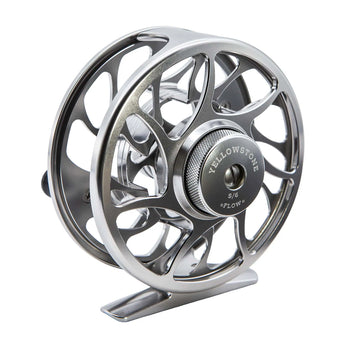
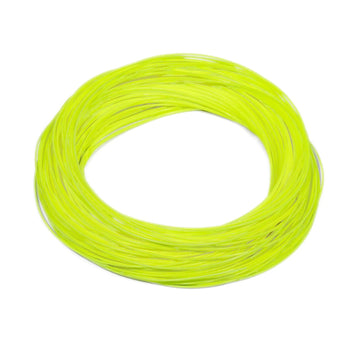
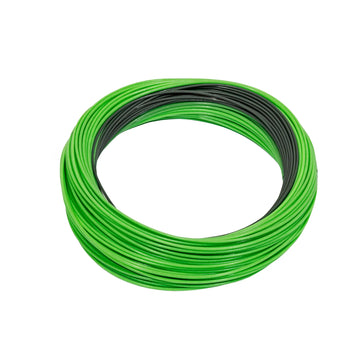
If you want extra flexibility, carrying a second spool with a light sink-tip is smart — but the floating line covers most of what March demands.
One rod. Two simple setups. Full coverage.
📌 Pro Tip: If you're only going to change one thing this month, change your line (or at least clean and stretch it). Cold-weather memory kills turnover and stealth — and it's one of the easiest fixes you can make.
Confidence in Simplicity
There's real freedom in showing up with one rod strung up and a focused fly selection.
You stop swapping gear and start reading water. You notice subtle current shifts. You recognize when fish move from depth to drift. You respond instead of react.
March is here, and it's going to ask a lot of you as an angler.
The good news is it doesn't ask you to carry three rods.
One 9' 5WT. A handful of nymphs. A few wets. A couple of dries. One or two streamers.
Clean floating line. A balanced reel. Patience.
That's enough for just about anything transition season can throw at you.
And in the in-between, the 5WT is king.


