

Fishing the Weather: Fronts, Pressure and Gray Days

The forecast says 48 degrees, low clouds, and a chance of drizzle by noon. It's the kind of day that makes the couch look pretty good. It's also, more often than not, the kind of day trout fishing is at its best.
Weather is the one part of fishing nobody gets a say in, and it has a lot to do with what the fish are up to. Cloud cover, wind, a front on its way in or on its way out — each one changes where trout sit and how willing they are to eat.
None of it is hard to read once you know what to look for. Here's what changes on the water when the weather moves through, and how we'd adjust for it.
What Weather Actually Changes
Trout don't check the forecast. What they respond to is what the weather does to the water they live in, and that comes down to four things.
Light. Clouds are cover. Under a bright sun, trout hold deeper and tighter to structure, where an osprey or a heron has a harder time finding them. Under gray skies they're more comfortable sliding into shallow water, out into the open, and up to the surface.
Water temperature. Air temperature moves the water, just more slowly. A cold night or a warm afternoon can shift a small stream a few degrees in hours, while a big river takes days to follow. In the cooler months, a degree or two in the right direction is often what gets fish feeding. Our fall fly fishing guide walks through what each temperature range tends to change.
Water level and clarity. Rain raises and colors the water, washes food into the drift, and gives fish cover from above. A little of that is good for fishing. A lot of it isn't.
Wind. Wind ruffles the surface, which hides you and your leader. It also pushes insects around, and it makes casting harder. Friend and nuisance in about equal measure.
Nearly everything below is one of those four at work.
So What About Barometric Pressure?
Ask around any fly shop and you'll hear it: fish bite on a falling barometer and shut off when the pressure climbs. There's something to the pattern. Fishing often is good ahead of a front and slower behind it.
Whether pressure itself is the cause is a lot less certain. A trout that moves a foot or two up or down in the water column feels a bigger change in pressure than most weather fronts deliver, and it does that all day long.
What a falling barometer reliably brings with it is everything on the list above — thickening cloud, wind, a change in temperature, often rain. A rising one brings clear skies, bright sun and cold nights. Those are things trout clearly do respond to.
So the barometer is worth watching. It's a good signal of what's on the way, and that's plenty useful on its own.

Gray Days
Overcast, cool, maybe a little drizzle. If there's a best kind of weather for trout fishing in the cooler months, this is it.
The hatches like it. Blue-Winged Olives come off best on exactly these days, usually from late morning through the afternoon, in sizes 18 to 22. In cool, damp air the duns take longer to dry their wings and get off the water, which keeps them in front of the fish longer. Mastering Tiny Mayflies covers how to fish them.
The fish spread out. Without bright sun overhead, trout move into shallower runs, tailouts and bank water they'd pass up at noon on a clear day. More of the river is in play.
The window gets longer. On a bright day the best fishing can be squeezed into an hour or two. Under clouds, fish may feed on and off right through the day.
How we'd fish it: a small parachute dry and an emerger on soft water wherever fish are rising, and a streamer along the banks when they aren't. Low light is good streamer weather from the first cast to the last — our fall streamer guide covers where to put one.
Before a Front
The hours before a cold front arrives are often some of the best fishing of the week. The clouds thicken, the air is usually still mild, the wind picks up a little, and fish feed like they have somewhere to be.
This is a good time to cover water. A streamer or a searching nymph rig worked through the likely spots tends to do better than settling into one run. If bugs are coming off, fish the hatch — the afternoon ahead of a front can bring a heavy one.
One thing isn't negotiable. If there's lightning anywhere nearby, get off the water and put the rod down. A nine-foot graphite rod is a very good conductor, and no fish is worth it.
📌 Pro Tip: Check the hourly forecast, not just the daily one. A front due at two in the afternoon means the best fishing of the day may be late morning — and it's a lot easier to plan around that from the kitchen table than from the truck.
After a Front: The Bluebird Day
The front blows through overnight, and the next morning is beautiful — clear sky, bright sun, cold air, not a cloud anywhere. It's also often the slowest fishing of the whole cycle.
The reasons are the same four things running the other way. The light is harsh, the night was cold enough to knock the water temperature down, and the fish tuck back into deeper water and tighter to cover. They'll still eat. They just won't move far to do it.
Start later. Give the sun a few hours to work on the water. The warmest part of the afternoon is often the best window of the day.
Go deeper and slower. Nymphs near the bottom in the slower, deeper runs, or a streamer crawled rather than stripped. Our late-season nymphing guide and Streamer Science cover both.
Go smaller and finer. Small nymphs and midges on 5X or 6X, with a longer leader in clear water. The Midge Transition has more on the small end of the box.
Fish the shade. Undercut banks, the shady side of the river, the broken water at the head of a run — anywhere the light is softer.
It usually takes a day or two for things to settle. By the second or third day of steady weather, the fish are back on a schedule.

Wind
Nobody loves casting in wind, but a breeze does the angler a few favors. A ruffled surface hides the line and leader and softens the landing of a fly. Fish that are jumpy on flat water get a lot more forgiving under a chop.
Shorten the cast. A short cast with a tight loop cuts wind far better than a long one, and most fish are caught inside thirty feet anyway.
Shorten the leader and go up a size in tippet. Seven and a half feet of 4X turns over in a breeze where twelve feet of 6X won't.
Use it. On lakes, wind pushes food toward the downwind shore, and fish follow it — our fall stillwater guide has more on that. On rivers, a gusty afternoon in terrestrial season blows ants, beetles and hoppers onto the water.
And when it's really blowing, a heavier nymph rig or a streamer is a lot more pleasant to fish than a size 20 dry.
Rain and Rising Water
Light rain is gray-day fishing with even better cover. The surface is broken, the light is low, and fish get comfortable. Keep fishing.
Heavier rain changes the river. As the water comes up it picks up color and knocks nymphs, worms and other food loose into the drift. For a while, that can be very good fishing. Trout slide toward the banks and softer edges to get out of the heavy current, and they're eating.
A little color is good. If you can still see your boots in knee-deep water, there's plenty of visibility to fish. Go bigger and darker so the fly shows up — a dark Woolly Bugger, a stonefly nymph, or a San Juan Worm.
Fish the edges. In rising water, the soft seams along the bank hold the fish. The middle of the river is mostly just fast.
Have a plan B. When the river turns the color of chocolate milk, it's time to go somewhere else. A tailwater below a dam often stays clear and steady when everything else is blown out, and so does the water upstream of whichever tributary is bringing in the mud.
A river that's coming up fast is also one to wade carefully, or not at all.
The Quiet Winner: Stable Weather
The best forecast of all isn't any one kind of day. It's three or four of the same day in a row.
When the weather holds steady, fish settle into a routine — the same water, the same hours, the same food. Whatever worked yesterday has a good chance of working today. A stable stretch of cool, cloudy weather is about as good as it gets, and even a run of bright, cold days tends to fish better on day three than it did on day one.
Four Flies for Changing Weather
Most of what the weather asks for is already in the box. These four cover the gray day, the bright day after, and the hours in between.
 |
 |
 |
 |
|
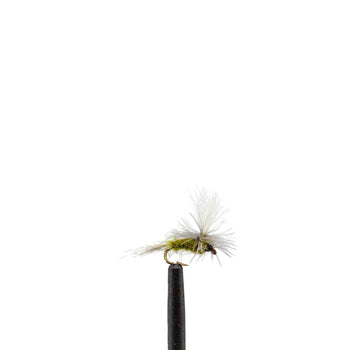
Blue-Winged Olive Parachute |
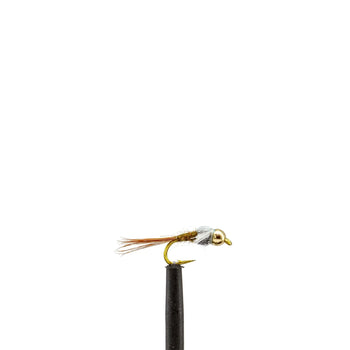
Beadhead BWO Emerger |
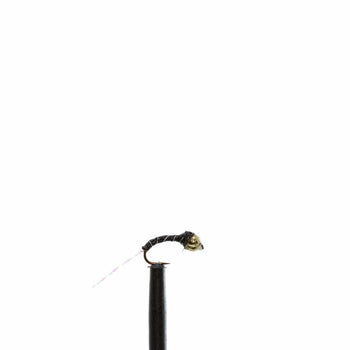
Zebra Midge – Black |
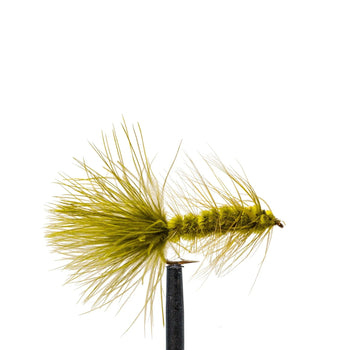
Woolly Bugger – Olive |
Blue-Winged Olive Parachute (16–20). The gray-day dry. The post stays visible in flat light, which matters when the best hatches come on the dreariest afternoons.
Beadhead BWO Emerger (14–18). For fish that are working a hatch but passing up the dry. Hang it about eighteen inches under the parachute and fish them together.
Zebra Midge – Black (16–20). The bluebird-day fly. Small, simple, and fished deep and slow when a cold night has the fish sitting tight.
Woolly Bugger – Olive (4–10). For covering water ahead of a front and working the banks under clouds. When the water has some color in it, a black one shows up better.
Reading the Forecast
A few things are worth a look the night before.
The trend. Three days of steady weather, a front arriving, or the day after one — that says more about the fishing than the high temperature does.
Cloud cover. Probably the most useful single line in the forecast for a trout angler.
The overnight low. A hard freeze means a later start. A mild night gives the water a head start.
Wind speed and direction. Enough to decide which bank to fish from and which rod to bring.
📌 Pro Tip: Take the water temperature when you get there and again after lunch. Watching it climb two or three degrees through the day explains a lot about when the fish turned on — and it's the one thing the forecast can't tell you.
Go Anyway
Short of lightning and a blown-out river, there isn't much truly bad weather for trout fishing. There's just weather that asks for a different approach — a later start, a smaller fly, a different bank.
So when the forecast looks gray and a little miserable, pack a rain jacket and go. That's very often the day.
SHOP OUR FALL FLY COLLECTION
RELATED ARTICLES:
- Fall Fly Fishing: How Tactics Change as the Season Turns
- Fly of the Month: Mastering Tiny Mayflies for Fall Trout
- Fall Streamer Fishing: Patterns, Retrieves and Setups for Trout
- Below the Dam: How to Fish Tailwaters
- Fall Stillwater Fly Fishing: A Complete Lake Guide
- Late-Season Nymphing Guide – Fall Trout Rigs & Flies


