

Hooked a Big Trout? How to Land It Efficiently

You know it's a good fish before you ever get a clear look at it. The rod stays bent, line starts leaving the reel, and suddenly the stretch of river between you and the next logjam looks a lot shorter.
It's easy to get cautious with a big trout on. Sometimes too cautious. Giving a fish all the room in the world and waiting for it to wear itself out can turn a manageable fight into a long one, and a long fight is harder on the fish and gives it more chances to come unbuttoned.
The goal is simple: stay connected, keep steady pressure, and get the fish in the net as soon as you can steer it there. Here's how we'd make those last few yards count.
Win It Before It Starts
A few small decisions made before you ever hook a fish make landing it a lot easier.
Fish the strongest tippet the fly and the water allow. Small flies on slow, clear water may call for something fine, but don't reach for 6X out of habit when 4X will get the job done. Heavier tippet lets you put real pressure on a fish, and that's what shortens the fight. Go by the breaking strength on the spool, not the X number, since it varies from brand to brand. Our guide to choosing leader and tippet covers how to match the setup.
Check the last few feet. After a snag or a drift through rocks, run the tippet through your fingers. If it feels rough or curled, replace it and retie anything questionable. That's exactly where a good fish will find the weak spot.
Set the drag before you need it. Line should come off the reel smoothly under a firm pull, with enough give to protect the tippet when a fish takes off. A setting that's fine on a stout streamer leader can be much too tight for a small dry on fine tippet, so check it when you change rigs.
Know where your net is. Practice reaching it and unclipping it with one hand. You'll be glad you did when the other hand is holding a bent rod.
Let the First Run Happen
When a big trout takes line, let it go. Keep a good bend in the rod and let the drag soak up the run. Grabbing the reel handle or clamping down on the line is the quickest way to break one off in the first few seconds.
Clear the slack. If there's loose line at your feet, let it slide through your line hand without pinching it, and watch for loops catching on the reel, your boots or anything else. A tangle stops a running fish just as hard as a locked drag.
Get it on the reel when you can. Once the loose line is gone, fight the fish from the reel. If the fish stays close and the slack never clears, don't force it. Steady tension matters more than where the line is.
Give line when it runs, take line when it gives you a chance. Cranking the reel against a fish that's pulling drag won't bring it any closer. Wait for the run to stop, then gain ground.
Use Side Pressure to Steer It
A high rod has its place. It keeps line up and over rocks, and it helps with a fish that's close. But hold it overhead for the whole fight and you've given up most of your ability to steer.
When the water and the cover allow it, bring the rod down to one side and keep it bent. That changes the direction you're pulling from, turns the fish's head, and makes it work against the rod instead of just swimming away from you.
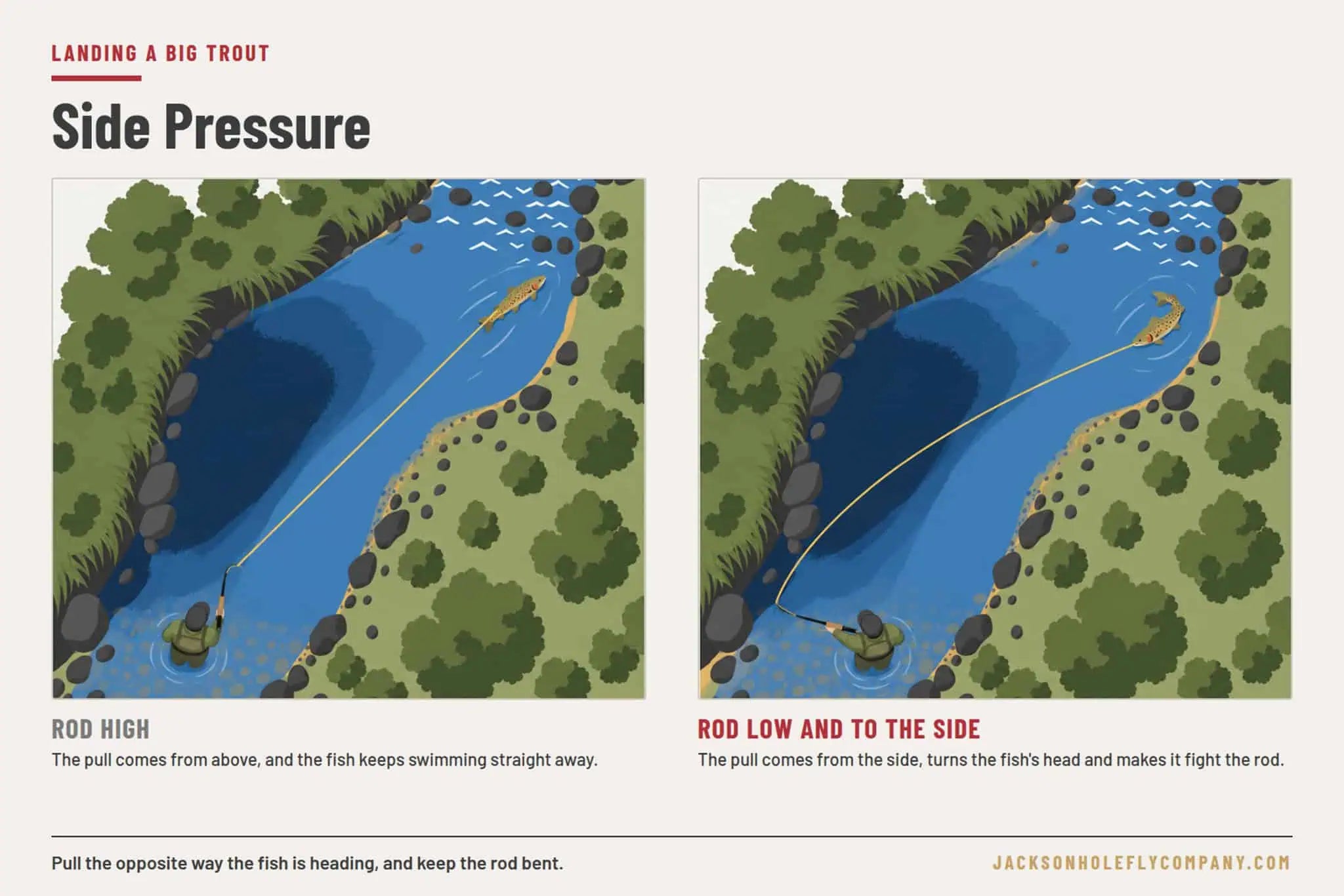
Pull the opposite way it's heading. If the trout heads left, bring the pressure to the right. When it turns, switch sides smoothly. No sharp sweeps, no yanking.
Keep an angle between the rod and the line. Pointing the rod straight at the fish takes away the bend that cushions it. Pulling the rod way back behind your shoulder piles the strain up near the tip. Somewhere comfortably out in front of you gives you room to react either way.
Take line when it turns toward you. Those little openings are how you gain ground without forcing anything.
📌 Pro Tip: Watch the fish's head, not your rod tip. When the head turns toward you, reel. When it turns away, ease off and let the rod and drag take it. After a few turns you'll feel the fight start to shift your way.
Use the River
A trout below you in strong current is hard to bring back upstream. You're pulling against the fish and the river at the same time.
Move with it if you can. If the bank or the footing allows, walk downstream with the fish to cut down that angle. Watch where you're stepping, and don't let a fish pull you into deeper or faster water.
Steer it toward soft water. Look for a slower seam, a quiet edge or an open bit of bank, and use steady side pressure to work the fish there before you try to land it. It's an easier place to finish and a better place to let it go.
A few steps is plenty. You don't need the perfect spot. A couple of safe steps can make a real difference. If moving means taking a risk, stay put, keep the pressure steady and let the drag work.
Jumps, Head Shakes and Snags
Big trout rarely follow a script. They turn, shake their heads, and jump just when you think you've got it figured out.
Let the rod take the head shakes. Hold steady instead of answering every shake with a pull of your own.
Bow to a jump. When a fish comes out of the water, drop the rod tip toward it for a moment to take the sudden strain off, then come back tight as it lands.
Turn it early. If the fish is heading for sunken wood or a weed bed, change your angle while there's still room to turn it. Once it's in the snag, you're out of options.
If it does get wrapped up, don't just pull harder. That usually makes it worse. Move to a new angle if you can do it safely, or ease off for a moment, since a fish will sometimes swim back out on its own. Then reassess before adding pressure.
Net It When You Can Steer It
You don't need to wait until a trout is worn out. When you can lead it steadily toward the net, that's the moment.
Get the net ready first. Have it in your hand and the hoop in the water before the fish gets there.
Leave yourself some line. Keep enough outside the rod tip to steer the fish comfortably. Reel in too close and you'll end up reaching awkwardly or bending the rod back over your shoulder, with no room to react if the trout makes one more run.
Head first, then lift. Lead the fish over the rim head first, and lift once it's over the bag. Don't chase its tail with the net. If the approach isn't right, let it swim, reset and bring it around again.
Slack off once it's in. As soon as the fish is secure, take the tension off the line and leave the bag in the water while you take the hook out. Our landing net guide covers netting in more detail.
📌 Pro Tip: Get the net wet before the fish is close. A wet bag is easier on a trout's skin, and it means the net's already in your hand when the moment comes.
Keep the Release Simple
Have your tools handy. Forceps or pliers where you can reach them, hands wet before you touch the fish, and the hook out while the trout is still in the water whenever you can. A locking pair of forceps on a zinger means you're not digging through a pack with a fish in the net.
Keep the photo quick. If you want a picture, get the camera ready first, hold the fish low over the water, and keep the time out of it short.
Let it swim off on its own. If the trout needs a minute, hold it gently upright in clean, gently moving water, facing into the current, and let it go when it swims out of your hands.
Check the water temperature, even in fall. A cold morning doesn't tell you what the river will be doing by mid-afternoon. Our water temperature guide covers when to put the rod away.
For the full picture on handling fish, read Catch and Release Done Right.
Gear That Shortens the Finish
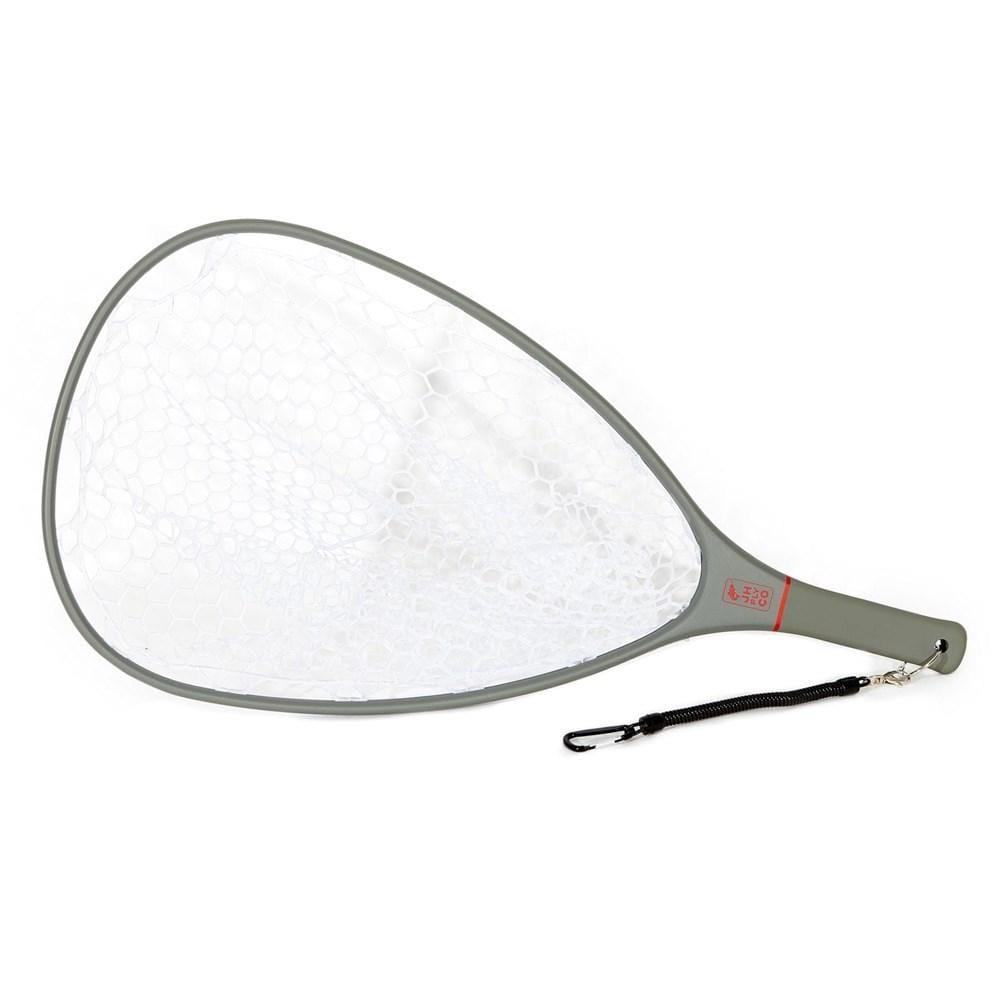 |
A good landing net is easy to carry, quick to reach and big enough for the fish you're after. Our JHFLYCO Carbon Fiber Landing Net pairs a light carbon fiber and fiberglass frame with a clear rubber bag that's easy on fins and scales, plus a magnetic tether that keeps it on your back until you need it. The 26" net is the compact choice for wading, and the 37" adds reach for boats and high banks. |
Once the fish is in the bag, these are the tools that get the hook out and the fish back in the water quickly, and keep your tippet fresh for the next one.
 |
 |
 |
 |
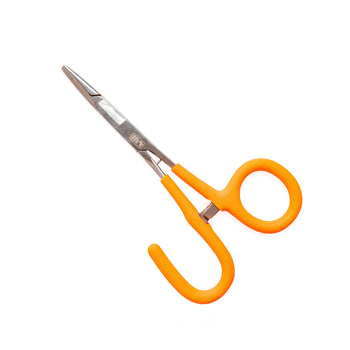
Pro Forceps |
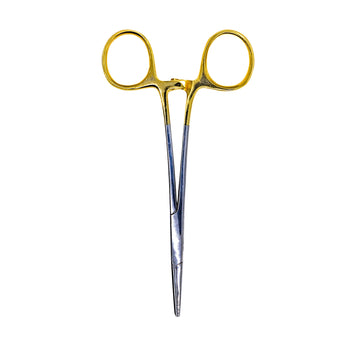
Gold Loop Forceps |
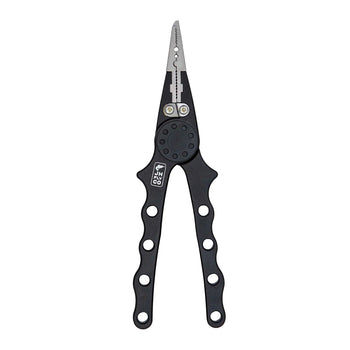
Aluminum Fishing Pliers |
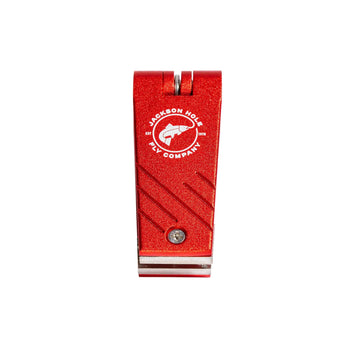
Pro Nippers |
JHFLYCO Pro Forceps. Six inches of locking stainless steel with a straight jaw, a cutting edge and a hook eye cleaner. The bright orange handles are easy to find when you need them fast.
JHFLYCO Gold Loop Forceps. The classic: locking, serrated jaws for hook removal and pinching barbs, plus built-in scissors. An easy one to keep on every pack.
JHFLYCO Aluminum Fishing Pliers. Seven inches of machined aluminum with tungsten carbide cutters and a slide lock. Worth carrying when you're fishing streamers and bigger hooks for bigger fish.
JHFLYCO Pro Nippers. Clean cuts on mono and fluoro, replaceable blades and a hook eye cleaner. For trimming tag ends and retying when the last few feet of tippet have seen too many rocks.
Be Ready for the Last Few Feet
A big trout can make anyone rush, or freeze. Neither one helps.
Give it line when it runs. Keep steady pressure when you can. Move to better water when it's safe, and have the net ready before the chance comes. The moment you can steer that fish into the net is the moment to finish.


