

October’s Best Trout Flies: 12 Patterns for Fall Success

October’s rivers hum with a quiet intensity. The air carries a crisp edge, the water runs clear and cold, and the trout—browns, rainbows, and brookies—move with purpose. Leaves drift into riffles, midges cloud the tailouts, and the low sun paints the water gold. This is the season for anglers who savor solitude, read the river’s secrets, and know that every cast could connect you to a fish worth remembering.
Fall fishing demands versatility. Trout are opportunistic, keying on specific hatches one day and chasing meaty streamers the next. Below are 12 must-have fly patterns for October—dry flies for those fleeting surface feeds, nymphs for consistent subsurface action, and streamers to tempt the big, aggressive fish of fall. Each pattern includes how to fish it, pro tips, and tweaks for different waters, from freestone rivers to spring creeks.
Dry Flies: Catching the Last Surface Action
October’s hatches are subtle but rewarding. Warm afternoons coax blue-winged olives and midges, while caddis and spent mayflies linger in the evenings. These dry flies keep you in the game when trout look up.
|
|
|
|
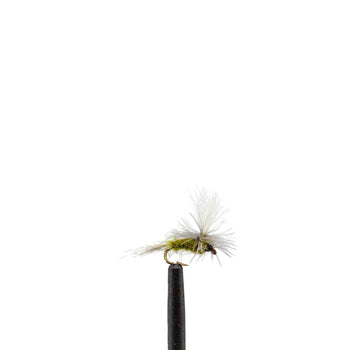
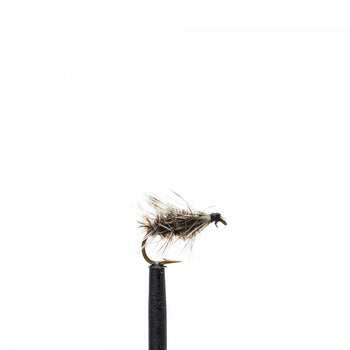
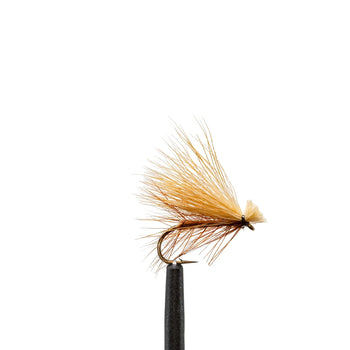
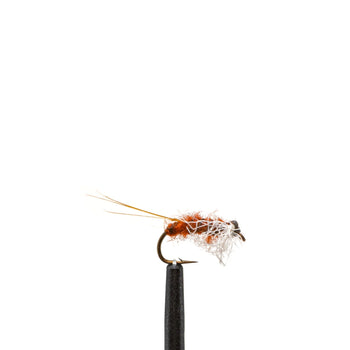
| BWO Parachute | Griffith's Gnat | Elk Hair Caddis | Rusty Spinner |
1. Blue-Winged Olive (BWO) Parachute (Sizes 18–22): The BWO Parachute is your ace for overcast days when tiny olive mayflies dot the surface. Its white post ensures visibility in low light, and the low-riding body mimics naturals perfectly.
- How to Fish It: Present to rising fish in slow pools or riffle edges. Use a 6X or 7X tippet for delicate drifts on spring creeks; 5X for faster freestone waters. Avoid drag at all costs—position upstream and let the fly ride naturally.
- Where It Shines: Spring creeks, tailwaters, and slow-moving flats.
📌 Pro Tip: Carry BWO emergers (like a Beadhead BWO Emerger) for fish taking nymphs just below the surface. On tailwaters, try a size 20–22 to match smaller naturals.
2. Griffith’s Gnat (Sizes 18–22): This scruffy little fly imitates midge clusters or lone midges, a staple for fall trout in still waters or slicks. Its simplicity belies its effectiveness.
- How to Fish It: Dead-drift through glassy pools or behind rocks where midges collect. A slight twitch can mimic a struggling insect, triggering strikes from selective fish.
- Where It Shines: High-altitude lakes, tailwaters, and slow river sections.
📌 Pro Tip: Pair with a larger dry (like an Elk Hair Caddis) as an indicator fly in a dry-dropper rig. On windy days, fish it solo to avoid spooking fish in clear water.
3. Elk Hair Caddis (Tan or Olive, Sizes 14–18): The Elk Hair Caddis is a fall workhorse, matching late-season caddis or serving as an attractor. Its buoyant wing holds up in choppy water, making it ideal for prospecting.
- How to Fish It: Skate or twitch across riffles to imitate a skittering adult, or dead-drift in softer water. Use a downstream presentation on small streams to mimic natural movement.
- Where It Shines: Freestone rivers, small streams, and pocket water.
📌 Pro Tip: Apply floatant to the wing only for a lower, more natural profile. Olive works better in shaded or forested streams; tan excels in open water.
4. Rusty Spinner (Sizes 16–20): The spent mayflies of fall—exhausted after mating—lie flat on the water, an easy target for trout. The Rusty Spinner’s subtle profile nails this stage.
- How to Fish It: Cast to sipping risers in calm water during evening hatches. Pair with a soft-hackle wet fly as a dropper if surface action slows.
- Where It Shines: Flat water, tailouts, and meadow streams.
📌 Pro Tip: Add a touch of UV dubbing to the thorax for extra appeal in low light. On clear rivers, downsize to 20 to avoid refusals.
Nymphs: The Backbone of Fall Fishing
When surface action fades, trout feed below, targeting nymphs and larvae in deeper runs. These nymphs are your go-to for consistent catches in October’s cold waters.


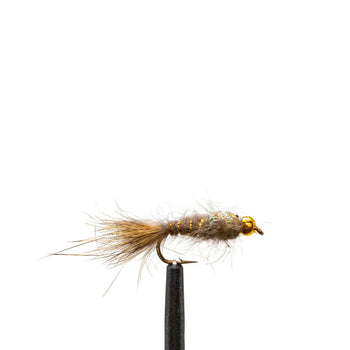
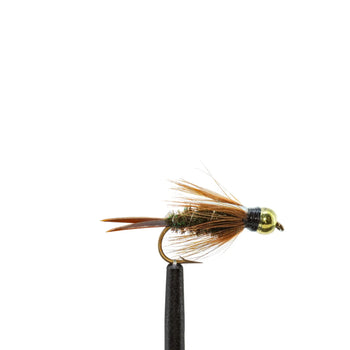
5. Beadhead Pheasant Tail (Sizes 14–20): The Pheasant Tail is the Swiss Army knife of nymphs, imitating everything from mayflies to caddis pupae. Its slim profile and flash bead make it a trout magnet.
- How to Fish It: Run it deep under an indicator in riffles or Euro-nymph through pocket water. Keep your drift tight to detect subtle takes.
- Where It Shines: Freestone rivers, tailwaters, and deep runs.
📌 Pro Tip: In clear, low water, use natural pheasant tail fibers and smaller sizes (18–20). Add a touch of UV dubbing for extra flash on cloudy days.
6. Zebra Midge (Red or Black, Sizes 18–22): Midges are a fall staple, and the Zebra Midge’s minimalist design—thread body, wire rib, bead head—covers both larvae and pupae with deadly precision.
- How to Fish It: Fish as a dropper behind a heavier nymph or under a small dry fly. Vary depth until you find feeding fish, often near the bottom.
- Where It Shines: Tailwaters, spring creeks, and slow pools.
📌 Pro Tip: Carry both red and black; red often works better in silty rivers, black in clear water. A tungsten bead helps sink it fast in deep pools.
7. Beadhead Hare’s Ear Flashback (Sizes 14–18): This buggy nymph screams “food” with its shaggy body and flashy wing case. It’s a generalist that trout can’t resist, especially in faster water.
- How to Fish It: Drift near the bottom in riffles, then swing through seams at the end of the drift to trigger aggressive takes.
- Where It Shines: Freestone rivers, rocky runs, and transitional water.
📌 Pro Tip: Rub with river mud to dull new flies for a natural look. Use a gold bead in murky water, silver in clear.
8. Beadhead Prince Nymph (Sizes 12–16): With its bold profile and beadhead, the Prince Nymph is your anchor fly for deep, fast water where trout hug the bottom.
- How to Fish It: Lead a two-fly rig with this nymph, trailing a smaller midge or mayfly. Bounce it through deep pools or heavy riffles.
- Where It Shines: Deep pools, fast riffles, and cold mornings.
📌 Pro Tip: Use a size 12 in high, stained water; drop to 16 in low, clear conditions. The white biot wings add visibility for murky rivers.
Streamers: Chasing the Big Bites
October’s cooling waters awaken the predator in trout, especially browns. These streamers provoke reaction strikes from fish looking for a big meal.
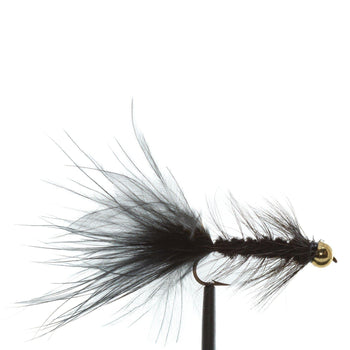
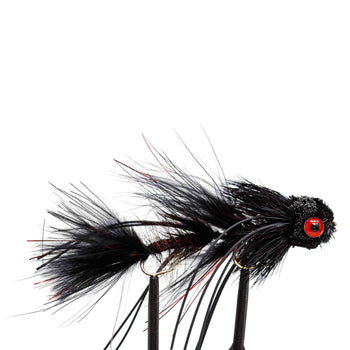
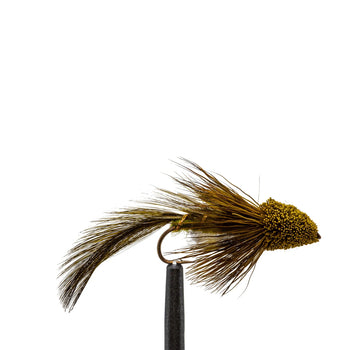
9. Woolly Bugger (Olive or Black, Sizes 6–10): The Woolly Bugger is the ultimate all-purpose streamer—part leech, part baitfish, all attitude. It’s a must-have for every fall angler.
- How to Fish It: Strip, swing, or dead-drift through undercut banks, log jams, or deep runs. Vary retrieve speed to match fish mood.
- Where It Shines: Rivers, lakes, and anywhere big trout lurk.
📌 Pro Tip: Olive shines in clear water, black in low light or stained flows. Use a conehead for deeper water, beadhead for mid-depths.
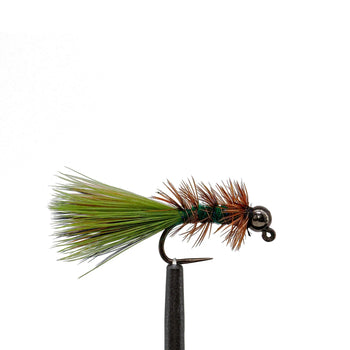
10. Tungsten Thin Mint Jig (Sizes 8–12): This modern streamer blends olive, brown, and peacock hues to mimic leeches, sculpins, or terrestrials. Its jigging action drives trout wild.
- How to Fish It: Bounce along the bottom on a Euro rig or swing through structure. Short, sharp strips mimic a fleeing baitfish.
- Where It Shines: Deep runs, undercut banks, and silty rivers.
📌 Pro Tip: Trail a smaller leech or Bugger 12–18 inches behind for a deadly two-fly rig. Use in stained water for best results.
11. Sex Dungeon (Sizes 4–8): This articulated beast pushes water and pulses with life, provoking strikes from the biggest, meanest trout in the river.
- How to Fish It: Fish with a sink-tip line, targeting deep structure like log jams or undercut banks. Use long, slow strips to keep it moving.
- Where It Shines: Big rivers, deep pools, and trophy trout waters.
📌 Pro Tip: Start with a size 6 in early October, upsizing to 4 as days get colder and browns get bolder. Olive or black works best.
12. Olive Sculpin (Sizes 6–10): These compact streamers imitate bottom-dwelling sculpins with bulky heads and lively movement, perfect for triggering predatory instincts.
- How to Fish It: Crawl along the bottom with slow strips or swing through seams. Add split shot 6–8 inches up for better bottom contact.
- Where It Shines: Rocky rivers, deep pools, and boulder-strewn runs.
📌 Pro Tip: Add a small split shot 6–8 inches above to keep it ticking the rocks—real sculpins never leave the bottom.
Build Your October Fly Box
Stocking up? Start with these 12 patterns in a range of sizes and colors to cover any October scenario. Organize by type—dries, nymphs, streamers—and keep a few extras of each for those inevitable tree snags. If you’re new to tying, try whipping up a few Zebra Midges or Pheasant Tails; they’re simple and rewarding.
Not sure where to start? Our Loaded Fly Box Assortments are packed with many of these same patterns—hand-picked, neatly organized, and ready for the water. It’s the easiest way to stay dialed when the weather and fish moods change hour by hour.
Shop Loaded Fly Box Assortments >>
Taking it to the Water
October is prime time—a balance of solitude, beauty, and hungry trout. Whether you’re chasing risers on a spring creek or swinging streamers for big browns, these flies will keep you in the game. Share your favorite patterns or fish tales with the angling community on platforms like X, and let’s keep the stoke alive. Tie on, step into the current, and make this fall one to remember.
SHOP OUR FALL FLY COLLECTION
RELATED ARTICLES:
- Transitioning Tactics: A Guide to Fall Fly Fishing
- Fall Fly Fishing Guide: Key Hatches & Essential Flies
- 10 Trout Fishing Tips for Fall
- Fly of the Month: Mastering Tiny Mayflies for Fall Trout
- Mastering Fall Streamer Fly Fishing: Tactics, Patterns, and Strategies for Trophy Trout


