

Nymphing Your Way Through the Dog Days: Mastering Late July Trout Fishing
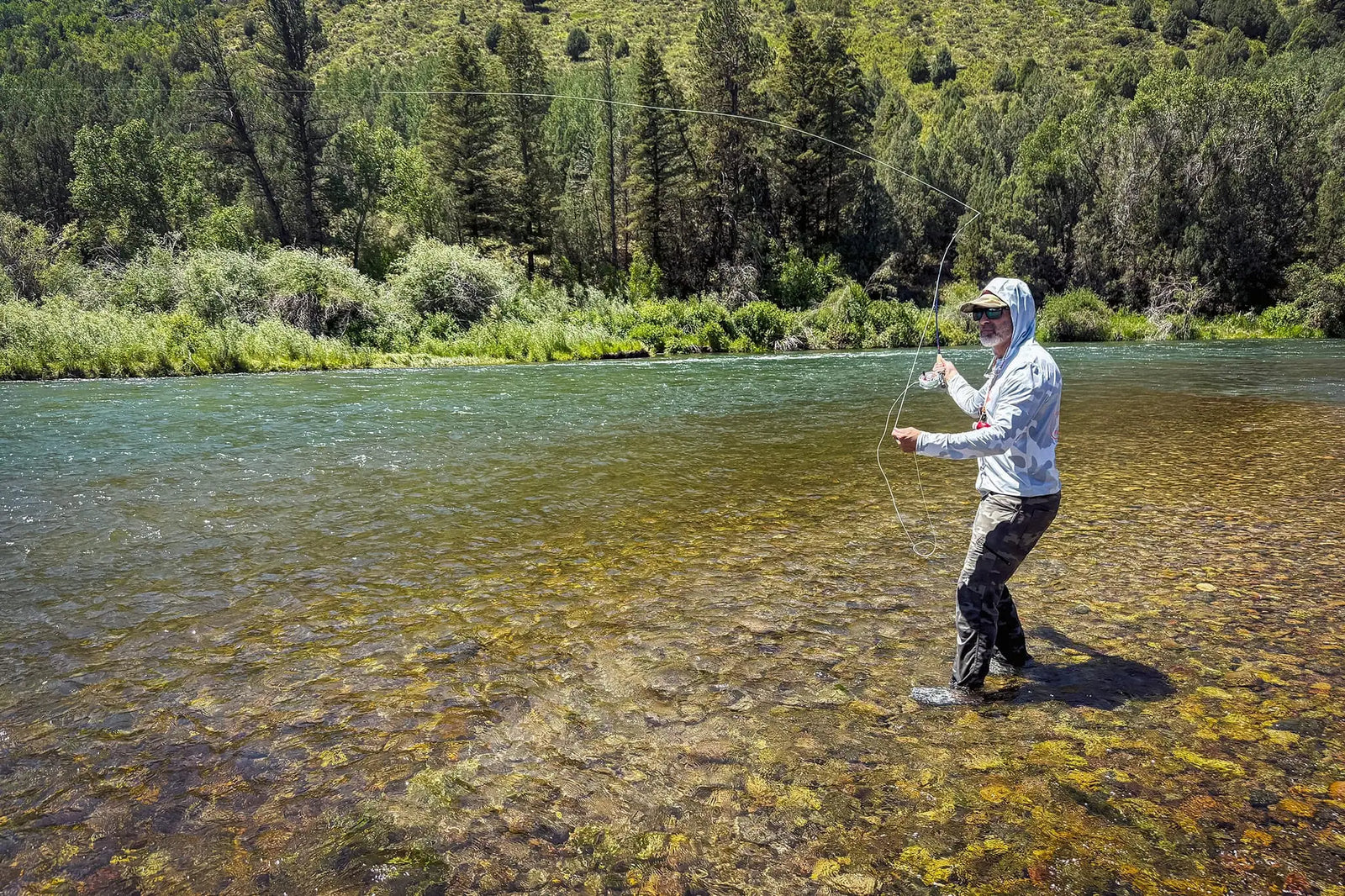
As the late July sun scorches the rivers, trout fishing demands a shift in strategy. Warm waters and sparse hatches push trout into deeper, oxygen-rich pockets, but that doesn’t mean the action stops. With tungsten nymphs like the flashy Blowtorch Jig or subtle Black Zebra Midge, plus stealthy approaches and pocket water tactics, you can turn the dog days into some of the season’s most rewarding sessions. Dive into our guide to discover eight must-have flies, leader setups, and pro tips to keep your rod bent in the toughest conditions.
Why Nymphing Shines in the Later Months of Summer
When water temperatures climb, trout behavior shifts dramatically. Shallow riffles and sunny banks, once bustling with activity, become less hospitable. Trout seek refuge in deeper seams, shaded runs, and fast-moving currents where oxygen and food remain abundant. Surface hatches dwindle during the heat of the day, but subsurface insect activity persists. Nymphs—imitating the larval stages of aquatic insects—become the most effective way to reach these fish. By presenting flies in the strike zone where trout are actively feeding, nymphing maximizes your chances of success in challenging conditions.
The key lies in understanding trout’s late-summer priorities: energy conservation and safety. Warm water stresses fish, pushing them to hold in areas with reliable food sources and stable conditions. Nymphing allows you to target these precise locations, delivering flies directly to fish that are less likely to rise for dry flies under the midday sun.
Mastering Pocket Water: Your Late July Sweet Spot
Pocket water—those turbulent, aerated sections of river broken by boulders, seams, and micro-currents—is a goldmine during the late July slowdown. These dynamic micro-environments provide trout with everything they need: oxygen-rich water to combat heat stress, broken light for camouflage, and natural ambush points for opportunistic feeding. Unlike long, glassy runs, pocket water offers trout a perfect blend of comfort and opportunity, making it a prime target for nymphing anglers.
To fish pocket water effectively, focus on knee- to waist-deep sections with fast, choppy flow. Trout often hold tight to structure, striking quickly at food that tumbles through their feeding lane. Short, controlled drifts are key—there’s no need for long presentations. High-stick nymphing, where you keep the rod tip elevated to maintain tight contact with the fly, excels here. Pair this with a short leader (7.5 to 9 feet) to minimize drag and keep your nymph in the strike zone. A tungsten jig nymph, with its heavy bead and streamlined profile, sinks quickly and avoids snagging on rocky bottoms, making it ideal for these turbulent pockets.
For example, target the soft cushion of water just behind a boulder or the seam where fast and slow currents meet. These spots concentrate food and provide trout with low-effort feeding opportunities. Approach cautiously, casting from a low angle to avoid spooking fish, and let the nymph drop directly into the heart of the pocket. A quick, precise drift is often all it takes to trigger a strike.
📌 Pro Tip: Before wading into deeper water, fish the pockets closest to shore. Edge water is often overlooked but can hold surprisingly large trout, especially in the shade of overhanging vegetation or undercut banks.
Tungsten Nymphs: The Heavy Hitters for Summer Currents
In fast summer currents, lightweight flies struggle to reach the strike zone before being swept downstream. Tungsten-beaded nymphs, with their superior sinking power, are essential for cutting through surface turbulence and delivering your fly to feeding fish. These weighted flies excel in deep seams and pocket water, where trout hug the bottom to conserve energy.
Here are eight standout tungsten nymphs for late July conditions, grouped and selected to match specific scenarios:

|

|

|

|
|
Tungsten Bead Blowtorch |
Tungsten Bead Perdigon |
Tungsten Bead Duracell |
Tungsten Bead Rainbow Warrior |

|

|

|

|
|
Tungsten Bead Walt's Worm |
Tungsten Bead Frenchie |
Tungsten Bead Major Lazer |
Nickel Bead Black Zebra Midge |
- Tungsten Bead Blowtorch Jig (Pink, Orange, Black; Sizes 14–18): This flashy, fast-sinking jig is a go-to for triggering reaction strikes. The pink variant shines in low-visibility or murky water, orange excels in stained flows or low light, and black offers a subtle contrast for clear water and selective trout. Its aggressive design makes it ideal for fast pocket water.
- Tungsten Bead Perdigon Jig (Olive, Orange, Black, Purple; Sizes 16–20): With a slim, streamlined profile, Perdigons sink rapidly and mimic small aquatic insects like baetis or midges. Olive and black are perfect for clear water and picky trout, while orange and purple stand out in murky flows or shaded runs, offering versatility for July’s variable conditions.
- Tungsten Bead Duracell Jig (Purple, Coppertop, Rust; Sizes 14–18): A top-performing pattern, the Duracell’s vibrant colors make it a standout in late July. Purple adds flash for shaded pockets and deeper runs, Coppertop shines in stained water or low light, and Rust mimics natural insects in clear streams, making this fly a versatile choice for finicky trout.
- Tungsten Bead Rainbow Warrior Jig (Sizes 16–20): This iridescent, pearl-bodied fly reflects light to attract trout in both clear and stained water. Its bold profile makes it an excellent attractor pattern for finicky fish in fast currents.
- Tungsten Bead Walt's Worm Jig (Sizes 14–18): A soft-hackle nymph with a fuzzy, natural appearance, this fly mimics a variety of aquatic larvae. Its subtle movement in the water entices trout in slower pockets or deeper seams.
- Tungsten Bead Frenchie Jig (Sizes 14–18): With a bright hotspot and pheasant tail body, this fly combines flash and realism. It excels in fast water where trout need a little extra enticement to strike.
- Tungsten Bead Major Lazer Jig (Sizes 14–18): This high-visibility fly features a reflective, flashy body that grabs attention in murky or fast water. Its bold design triggers aggressive strikes, making it ideal for off-color streams or when trout need a strong visual cue in July’s challenging conditions.
- Nickel Bead Black Zebra Midge (Sizes 18–22): This tiny but deadly fly mimics midge larvae, a staple in trout diets year-round. Its black-and-silver contrast works well in clear water or when fish are feeding selectively, perfect for late July’s skinny, clear streams.
When selecting flies, rotate between flashy and natural patterns to gauge what the fish prefer. In tight, technical water, consider fishing a single fly to reduce tangles and maintain precision. A 1.5mm to 2.5mm tungsten bead provides the right balance of weight and manageability for most summer conditions.
📌 Pro Tip: Experiment with fly size and color within the same pattern to dial in the bite. Late July trout can be picky, so subtle adjustments—like downsizing from a size 16 to a size 18—can turn a slow day into a productive one.
Gear Essentials: Building a High-Performance Leader System
Your leader setup is just as critical as your fly choice in late July’s demanding conditions. Pocket water and spooky trout require a system that balances turnover, stealth, and durability. Here’s how to optimize your rig with JHFLYCO products:
-
JHFLYCO Black Nickel Barrel Swivels: These rotating connectors prevent line twist, making them a game-changer for double nymph rigs or heavier flies like the Major Lazer or Blowtorch Jig in fast, turbulent pocket water. Tie them between your leader and tippet for quick fly changes and to keep your rig tangle-free in July’s choppy currents.
-
Fluorocarbon Leader: Unlike monofilament, fluorocarbon is nearly invisible underwater, sinks faster, and resists abrasion from rocky bottoms. Use a 7.5- to 9-foot JHFLYCO fluorocarbon leader with 5X or 6X tippet for skinny summer water to maintain a stealthy presentation, crucial for spooky trout in clear streams.
A typical setup might include a 9-foot 4X fluorocarbon leader with a JHFLYCO barrel swivel at the end, followed by 18–24 inches of 5X or 6X fluorocarbon tippet. This configuration provides strength for fast currents while keeping your fly nearly invisible to wary trout.
📌 Pro Tip: Check your tippet regularly for nicks and abrasions, especially after fishing rocky pockets. A compromised tippet can lead to lost fish in close quarters.
Setting Up Your Nymph Rig: Best Practices for Late July
Crafting the perfect nymph rig is critical for late July’s challenging conditions, where precision and adaptability are key. For pocket water, a single-fly rig with a 7.5- to 9-foot 4X leader and 18–24 inches of 5X or 6X fluorocarbon tippet keeps things simple and reduces snags in tight, rocky runs—pair it with a heavy fly like the Tungsten Bead Blowtorch or Duracell Jig (1.5–2.5mm bead) to reach the strike zone fast.

In deeper seams or slower pockets, a two-fly rig excels: use a tippet ring to attach 12–18 inches of 5X tippet to a heavier fly (e.g., Major Lazer Jig) and 12–18 inches of 6X tippet to a smaller dropper (e.g., Black Zebra Midge or Olive Perdigon). Space flies 12–16 inches apart to cover multiple depths, and add a small split shot above the tippet ring if extra weight is needed for fast currents. For spooky trout in clear, skinny water, downsize to a single 6X tippet and a smaller fly like the Rainbow Warrior to maintain stealth. Always adjust leader length and weight placement based on water depth and flow to keep your flies in the trout’s feeding lane.
📌 Pro Tip: When using a two-fly rig, tie the dropper to the bend of the lead fly’s hook with a clinch knot for a streamlined setup that minimizes tangles in turbulent water.
Stealth: The Art of Outsmarting Spooky Trout
In late July, trout are hyper-alert. Warm water and increased angling pressure make them quick to spook, often bolting at the slightest disturbance. Mastering stealth is non-negotiable for consistent success. Here’s how to approach the water like a predator:
- Blend In: Wear muted, earth-tone clothing to avoid standing out against the natural backdrop. Bright colors or reflective gear can send trout darting for cover.
- Stay Low: Crouch or kneel when approaching the water to minimize your profile. Position yourself behind natural cover like boulders or vegetation whenever possible.
- Approach from Downstream: Trout typically face into the current, so moving upstream reduces the chance of them spotting you. Wade slowly to avoid sending shockwaves through the water.
- Minimize Casting Motion: Keep casts short and controlled, limiting false casts to avoid flashing light or creating unnatural ripples. A single, precise cast is often enough in pocket water.
By prioritizing stealth, you’ll get closer to fish without triggering their flight response, increasing your chances of a hookup. Even small details, like avoiding sudden movements or keeping your rod tip low, can make a significant difference.
📌 Pro Tip: Pause and observe before casting. Watch for subtle signs of fish, like flashes or shadows in the water, to pinpoint their exact holding spots.
Putting It All Together: A Blueprint for Dog Days Success
Late July may lack the prolific hatches and eager fish of spring, but it offers a unique opportunity to hone your skills and outsmart challenging conditions. By focusing on pocket water, deploying a carefully selected arsenal of tungsten nymphs, fine-tuning your leader system, and moving with stealth, you can turn the dog days into some of the season’s most rewarding sessions. Each cast becomes a lesson in precision, each hookup a testament to your adaptability.
📌 Overall Nymphing Pro Tip: Vary your drift speed and depth by adjusting weight or leader length to match the water’s flow and depth. In fast pocket water, a slightly heavier tungsten bead or shorter tippet can keep your fly in the strike zone longer, increasing hookups.
Next time you hit the river under the summer sun, seek out those broken, oxygenated pockets. Drop a tungsten jig into the strike zone, stay low, and let the current do the work. With the right approach, the dog days of late July can deliver not just fish, but a deeper connection to the art of nymphing.


