

6 Proven Tactics for Late-Summer Trout Fishing

By August, the stonefly, mayfly, and caddis hatches of early summer have faded. Rivers run lower and clearer, insect activity slows, and trout often become cautious. But don't let the "dog days" fool you—late summer can deliver some of the best fishing of the year. If you know how to adjust your approach, you'll discover plenty of trout still looking to eat.
Here are six proven tactics, complete with fly recommendations, to help you turn late summer's challenges into opportunity.
1. Terrestrials Take Center Stage
When aquatic hatches slow, trout turn to land-based insects for easy calories. Grasshoppers, beetles, and ants blow into rivers daily, creating reliable surface action. A well-placed terrestrial can draw aggressive strikes even when nothing else is hatching.
Recommended Flies:
-
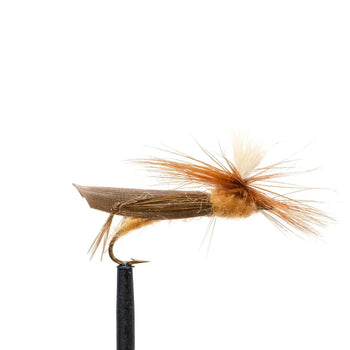
Parachute Hopper (Sizes 8–12): A buoyant, high-riding hopper that stays visible in choppy currents and windy conditions.
-
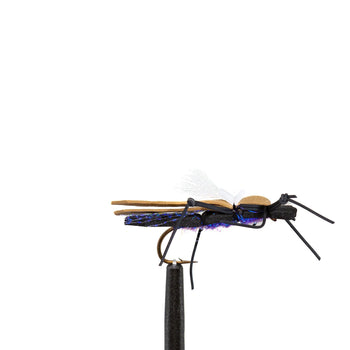
Water Walker – Black/Gold (Sizes 8–12): Foam-bodied terrestrial with rubber legs, built for durability and long drifts along grassy banks.
-
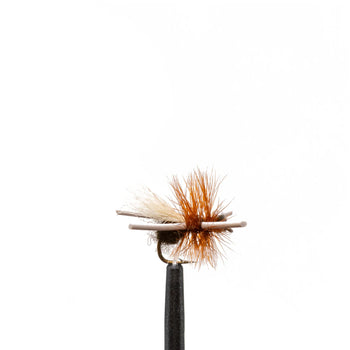
Super Ant – Black (Sizes 14–18): A sleek ant imitation that fools trout in slicks, shade lines, and back eddies.
-
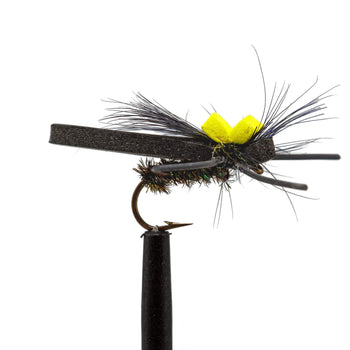
Snake River Beetle (Sizes 12–16): Compact foam beetle with a natural profile, excellent for blind casting along undercut banks.
📌 Pro Tip: Fish terrestrials tight to grassy banks, under overhanging willows, or near undercut edges. For more coverage, pair a big hopper with a tungsten dropper nymph and drift both through seams.
2. Nymph the Fast Water
Clear summer conditions push trout into faster, oxygen-rich water where food funnels naturally. These riffles and pocket-water slots are perfect places to fish nymphs. The broken surface hides your approach and helps conceal your leader and tippet.


Recommended Flies:
-
Tungsten Bead Duracell Jig – Black (Sizes 14–18): A modern euro-style jig with a slim profile, CDC collar, and heavy tungsten bead that gets down quickly in fast currents. Perfect for riffles and pocket water.
-
Tungsten Bead Rainbow Warrior Jig (Sizes 16–20): Flashy attractor nymph that draws strikes in bright summer conditions.
-
Tungsten Bead Perdigon Jig – Olive (Sizes 14–18): A dense, streamlined jig built to sink fast, ideal for probing deep pockets and tight seams.
-
Beadhead Frenchie Jig (Sizes 14–18): A simple, effective tungsten jig with a hot spot collar, perfect for fast runs.
📌 Pro Tip: Use short, controlled drifts with a tight-line or euro-style presentation. Focus on the seam where fast water meets slow water, the natural conveyor belt of drifting food.
3. Work the Slower Water with Dries
When flows drop, glassy slicks, tailouts, and inside seams become prime real estate. Trout cruise these areas looking for delicate meals. Dries allow you to cover this slower water without spooking fish, especially with longer leaders and lighter tippet.
Recommended Flies:
-
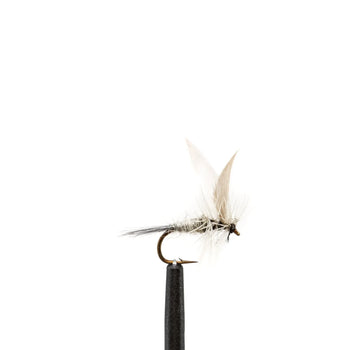
Blue Dun (Sizes 16–20): A subtle mayfly dry that fools selective trout in clear, flat water.
-
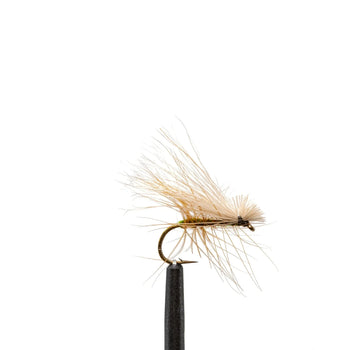
Elk Hair Caddis – Olive (Sizes 14–18): A high-floating caddis pattern that covers evening hatches and prospecting in slicks.
-
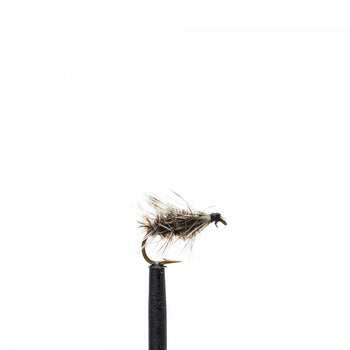
Griffith's Gnat (Sizes 18–22): Cluster midge imitation, excellent for sippers in back eddies and glassy tailouts.
-
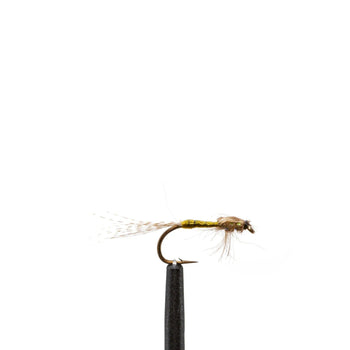
WD-40 – Olive (Sizes 18–22): A deadly emerger pattern that excels when trout feed just beneath the surface film.
📌 Pro Tip: Even when no rises are visible, blind-casting dries across promising seams and tailouts can surprise you. Trout are opportunistic and will often take a well-drifted dry simply because it looks like food.
4. Downsize Your Patterns
Late summer is the season of subtlety. Low, clear water means trout scrutinize every fly, and oversized offerings can send them running. Small patterns fished on light tippet are often the difference between refusals and eats.


Recommended Flies:
-
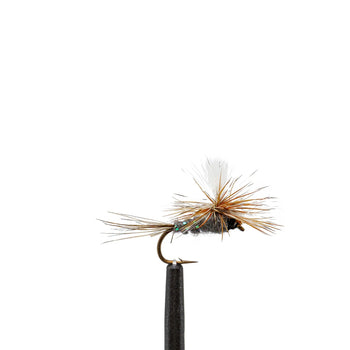
Para Flash Adams (Sizes 16–20): A versatile dry that matches many mayflies and fools picky risers.
-
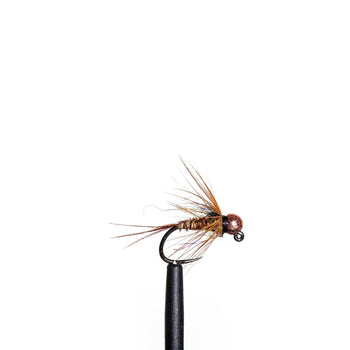
Beadhead RS2 (Sizes 18–22): A classic emerger with a slim body, perfect for selective trout.
-
Zebra Midge – Purple (Sizes 18–22): A tungsten midge pattern that shines in crystal-clear conditions.
-
Beadhead Soft Hackle Pheasant Tail (Sizes 16–20): A lifelike nymph with subtle movement for wary trout.
📌 Pro Tip: Carry 5X and 6X fluorocarbon for these flies, and keep your false casts to a minimum. A quiet, first-shot presentation is far more likely to fool trout in skinny water.
5. Beat the Heat with Timing
August brings long days and hot sun, and trout adjust their feeding windows to cooler, more comfortable periods. That means mornings and evenings become your best opportunities for consistent action.
Recommended Flies:
-
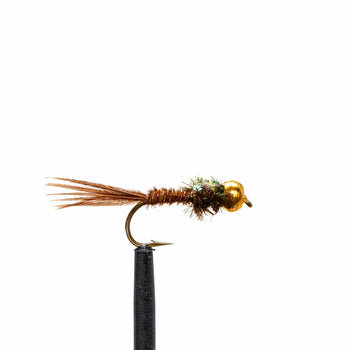
Beadhead Flashback Pheasant Tail (Sizes 14–18): A reliable morning searching nymph with just enough flash to trigger strikes.
-
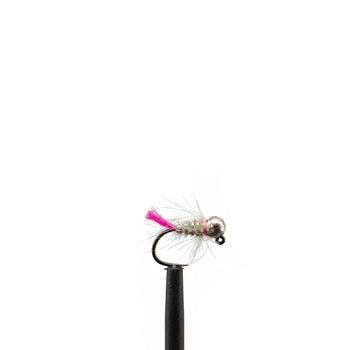
Tungsten Bead Blowtorch Jig – Pink (Sizes 14–18): A high-visibility attractor jig that stands out in low morning light and gets down fast.
-
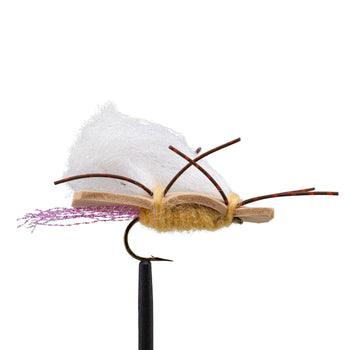
Chubby Chernobyl – Old Man Tan (Sizes 8–12): A big-profile evening dry that doubles as a hopper or stonefly imitation.
-
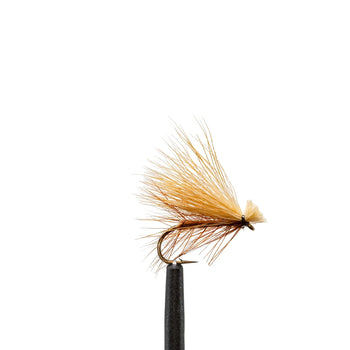
Elk Hair Caddis (Sizes 14–18): A reliable evening fly when caddis hatch in the fading light.
📌 Pro Tip: Treat midday as a rest window. Fish early, take a break when the heat peaks, then return for the evening caddis and spinner falls when the river comes alive again.
6. Follow the Shade
Just like anglers, trout prefer to stay cool and protected when the sun is overhead. Shade creates cover, cooler temperatures, and often funnels terrestrial insects into the water.
Recommended Flies:
-
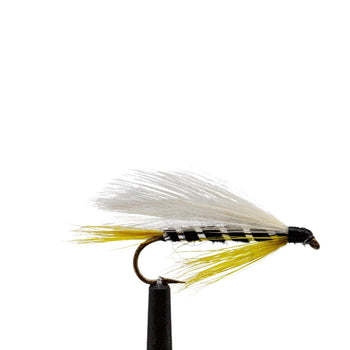
Black Ghost – Streamer (Sizes 6–10): A traditional streamer that excels when swung through shaded runs.
-
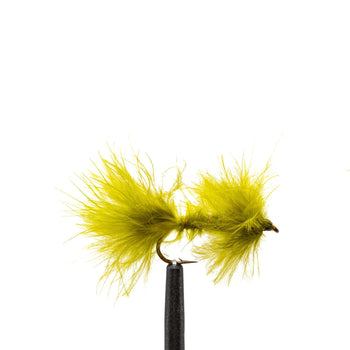
Olive Leech (Sizes 8–12): A productive sub-surface pattern for shaded banks and structure.
-
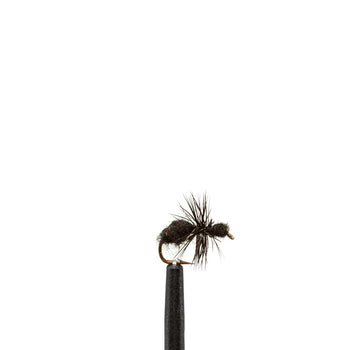
Black Ant (Sizes 14–18): A must-have for shade lines beneath trees and cutbanks.
-
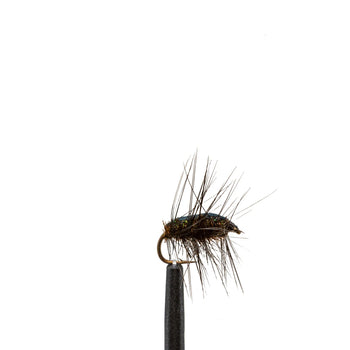
Black Beetle (Sizes 12–16): A classic terrestrial tied with natural materials, offering a low-profile drift that fools trout in shaded banks and flat water.
📌 Pro Tip: Follow the shadow lines as the sun moves. In the morning, east-facing banks are best; in the afternoon, west-facing banks light up. Trout often hold right on the edge where shadow meets sunlight.
Taking It to the Water
Late summer fly fishing demands a mix of patience, observation, and versatility. By downsizing patterns, fishing the right water types, and timing your outings for cooler, shaded conditions, you'll find trout willing to eat even in August's toughest stretches. With terrestrials, tungsten nymphs, and subtle dries in your fly box, you're equipped to turn the "dog days" into some of your most productive days of the year.
Ready to put these tactics into practice? summer-ready flies, leaders, and combo kits and hit the water with confidence.
SHOP THE SUMMER FLY COLLECTION
RELATED ARTICLES:
- Terrestrial Tactics: Big Takes from Hoppers to Beetles
- Fly of the Month: Late Summer Hopper-Dropper All-Stars
- Rule the Waters This Summer with Terrestrial Flies
- The Magic of the Hopper Dropper
- Late-Summer Dry Fly Essentials: 8 Proven Patterns for August Trout
- Nymphing Your Way Through the Dog Days: Mastering Late July Trout Fishing


