

Best September Trout Flies: Top 12 Patterns You Can Trust

By September, rivers across the West and beyond take on their late-summer character. Flows are low, nights run cooler, and trout grow selective after a long season of pressure. At the same time, food sources shift: terrestrials remain important, Blue-Winged Olives (BWOs) return in force, caddis come alive in the evenings, and streamers start drawing attention from browns preparing for the spawn.
Success this month is about matching these seasonal rhythms. Below you’ll find a September Hatch Guide and twelve confidence flies every angler should carry—plus tactical notes on when and how to fish each one.
September Hatch Guide
Understanding the insects and food sources trout key on is the foundation of success in September. Here’s a breakdown of what’s hatching and when you can expect them during the month.
Early September
- Hoppers: Still active in meadows and along grassy cutbanks, especially on sunny afternoons.
- Ants: Both black and cinnamon ant falls occur on warm, breezy days, often after storms.
- Caddis: Olive and tan adults flutter over riffles in the evenings, with trout chasing emergers near dusk.
Mid September
- Blue-Winged Olives (BWOs): Cloudy afternoons bring strong hatches in riffles and tailouts; look for pods of rising fish.
- Cinnamon Ants: Swarms peak during warm spells, and trout often key in on their reddish hue.
- Hoppers: Action begins to taper, though worth fishing tight to grassy banks when conditions are hot and dry.
Late September
- BWOs: Consistent hatches on overcast or drizzly days, often lasting hours.
- October Caddis: Early adults may appear in freestones by month’s end, especially in the evenings.
- Streamers: Brown trout turn aggressive, feeding heavily as they stage for the spawn.
Armed with this timeline, let's dive into the twelve flies you can count on this month.
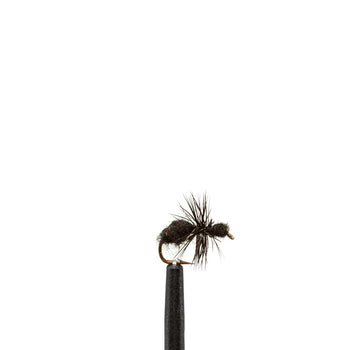
1. Black Ant (Sizes 14–20): The Black Ant is a late-summer classic, imitating flying and carpenter ants that often end up in rivers this time of year. Its simple body and high-contrast profile make it a confidence pattern for selective trout in skinny water.
How & When to Fish:
- Best on sunny days with a light breeze when ants get blown into the water.
- Fish with long leaders (9–12' in 5X or 6X) for a delicate presentation.
- Target spring creeks, tailouts, and glassy backwaters where trout rise cautiously.
📌 Pro Tip: A long 5X or 6X tippet and a drag-free drift can make all the difference when trout refuse larger offerings.
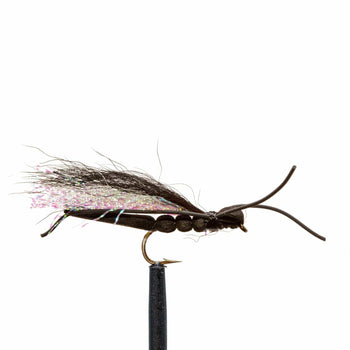
2. Foam Flying Ant (Sizes 14–18): When wind knocks ants into rivers, trout lose their caution. The Foam Flying Ant's buoyancy and sparkly wing make it easy to track in broken pocket water. It's a perfect fly for sight-fishing risers in September afternoons.
How & When to Fish:
- Ideal for broken pocket water or riffled runs where foam keeps it afloat.
- Fish during the afternoons when ant swarms are most likely.
- Use alone or as the top fly in an "ant-dropper" setup with a small tungsten beadhead.
📌 Pro Tip: Try pairing a foam ant with a small tungsten nymph dropper for a stealthy "ant-dropper" rig in skinny water.
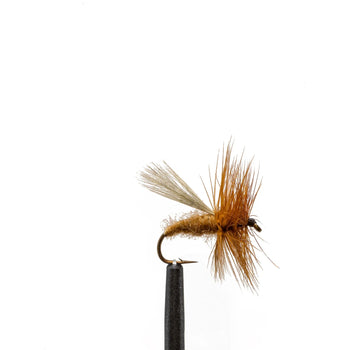
3. Cinnamon Ant (Sizes 14–18): In late summer, cinnamon ants often hatch in swarms, triggering trout to feed recklessly. Their reddish-brown tone provides a crucial color match when black ants fail.
How & When to Fish:
- Match late-summer ant falls that peak in September.
- Present in slower glides and side channels where trout rise steadily.
- Pair with a black ant or parachute BWO to cover multiple food sources.
📌 Pro Tip: Fish them in tandem with a black ant to see which shade trout prefer on a given day.
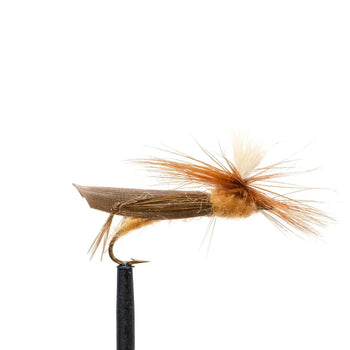
4. Parachute Hopper (Sizes 8–12): September still brings hopper action, especially during warm afternoons. The Parachute Hopper rides low in the film with a visible post, ideal for pressured fish that shy away from bulkier foam hoppers.
How & When to Fish:
- Fish midday through late afternoon on warm, sunny days.
- Dead-drift tight along grassy banks or twitch lightly to imitate a struggling insect.
- The parachute post makes it perfect for pressured trout in clear water.
📌 Pro Tip: Cast tight to grassy banks or drop-offs, then give subtle twitches to trigger aggressive strikes.
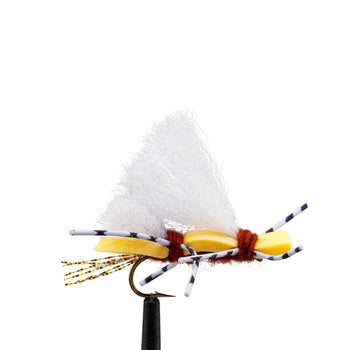
5. Chubby Chernobyl – Gold (Sizes 8–12): Big water and big foam call for the Chubby Chernobyl. In gold, it doubles as a hopper or stonefly imitation, offering buoyancy for hopper-dropper rigs with tungsten nymphs.
How & When to Fish:
- Excels in pocket water, riffles, and as the dry in a hopper-dropper setup.
- Use when fishing heavy tungsten droppers—its buoyant foam won't sink.
- Effective throughout midday and afternoon in meadows and freestones alike.
📌 Pro Tip: Use a Chubby as your "indicator fly" in two-fly rigs—it floats heavy droppers without sinking.
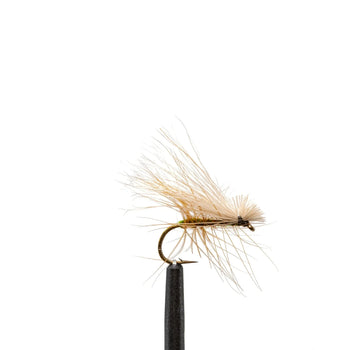
6. Elk Hair Caddis – Olive (Sizes 14–18): Cooler evenings in September see caddis buzzing low over riffles. The Olive Elk Hair Caddis is a versatile match that works in both slow glides and fast pocket water.
How & When to Fish:
- Best from late afternoon until dusk when caddis are most active.
- Dead-drift, skate, or swing across riffles for explosive strikes.
- Effective in both freestone pocket water and technical tailwaters.
📌 Pro Tip: Skate or twitch your caddis across seams at dusk to spark explosive takes.
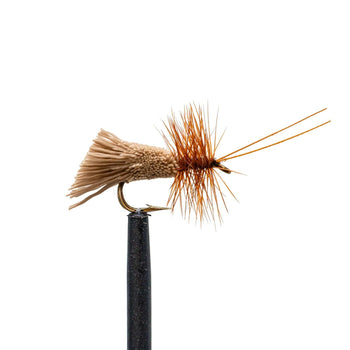
7. Goddard Caddis (Sizes 12–16): The Goddard Caddis is a buoyant, deer-hair pattern that imitates adult caddis skittering across riffles and runs. Its clipped hair body keeps it afloat in rough water while creating a realistic footprint that triggers aggressive takes. This durable fly is a proven late-summer and fall producer during evening caddis flights.
How & When to Fish:
- Best from late afternoon into dusk when caddis are most active.
- Fish dead-drift in riffles, or skate and twitch it across seams to imitate a fluttering adult.
- Works equally well in freestones, pocket water, and tailwater riffles.
📌 Pro Tip: Try pairing the Goddard Caddis with a small beadhead dropper for a versatile surface–subsurface combo.
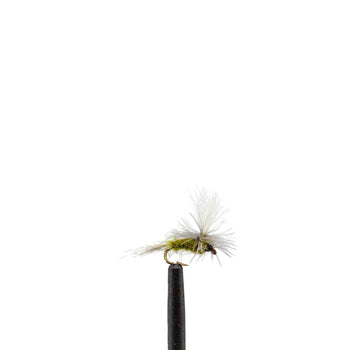
8. Blue-Winged Olive Parachute (Sizes 16–22): September marks the return of reliable BWO hatches on cloudy afternoons. The parachute profile lands softly, making it a prime choice for sippers in glassy water.
How & When to Fish:
- Cloudy, drizzly afternoons bring the strongest hatches.
- Look for pods of rising trout in shallow riffles, side channels, and tailouts.
- Present with long leaders (12'+ in 6X) for drag-free drifts.
📌 Pro Tip: Keep a few CDC emergers handy—sometimes trout feed just below the surface rather than on duns.
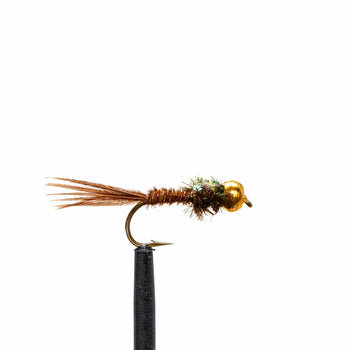


9. Beadhead Flashback Pheasant Tail (Sizes 14–20): BWOs aren't just about dries. A Flashback Pheasant Tail fished deep matches emerging mayflies, with the flash giving extra attraction in bright September sun.
How & When to Fish:
- A classic nymph for BWO hatches and general mayfly imitations.
- Fish in two-nymph rigs with a heavier tungsten jig above.
- Dead-drift through riffles and seams leading into pools.
📌 Pro Tip: Fish two nymphs under an indicator—a Pheasant Tail paired with a heavier tungsten jig keeps both in the zone.
10. Tungsten Bead Rainbow Warrior Jig (Sizes 16–18): For stubborn fish in clear, shallow runs, this flashy attractor can outfish naturals. Its pearl and rainbow hues mimic multiple larvae while the tungsten bead ensures it sinks fast.
How & When to Fish:
- Excels in clear, sunny conditions when trout ignore subtle naturals.
- Dead-drift under an indicator or Euro-nymph tight-line style.
- Works in riffles, runs, and drop-offs where fish hold deeper.
📌 Pro Tip: Drift the Rainbow Warrior through deeper pools when the bite slows—it often sparks surprise strikes.
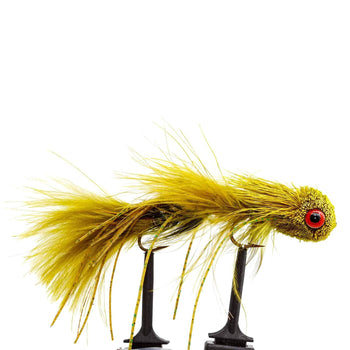
11. Sex Dungeon – Olive (Sizes 2–6): September signals the start of streamer season. The Olive Sex Dungeon, with its articulated profile and lifelike movement, draws aggressive strikes from trout bulking up for fall.
How & When to Fish:
- Prime streamer choice for September browns staging for the spawn.
- Fish during overcast days, evenings, or early mornings.
- Use sink-tip lines and target undercut banks, logjams, and deep pools with strip-pause retrieves.
📌 Pro Tip: Fish streamers on overcast days or in the evening—work banks and structure with strip-pause retrieves.
12. Zebra Midge – Red or Black (Sizes 18–22): Midges are a year-round staple, and in late September they become a critical food source as other hatches thin out. The Zebra Midge is simple yet highly effective, imitating midge pupae and larva in tailwaters and slower runs.
How & When to Fish:
- Fish in the mornings and late afternoons when midges are most active.
- Dead-drift under an indicator or Euro-nymph through slow runs and pools.
- Effective both as a lead fly in a two-nymph rig or as a dropper under a dry.
📌 Pro Tip: In clear water, switch to a smaller size (20–22) and 6X tippet for picky trout sipping midges in the film.
September Rigging Guide
Dialing in your setup can make all the difference. Here are a few quick recommendations for fishing September patterns.
- Dry Fly & Terrestrial Setups – 9–12' leaders tapered to 5X or 6X for ants, BWOs, and caddis; 3X–4X for hoppers and Chubbies.
- Nymphing Setups – Two-fly rigs with a tungsten jig on top and a smaller natural below; use indicators or Euro-style tight lining.
- Streamer Setups – 6–7 weight rods with sink-tip lines and short 3X leaders for better turnover.
Key September Fly Fishing Tips
Success in September isn’t just about what’s in your fly box—it’s also about how you approach the water. Keep these fall tactics in mind:
- Be Prepared for Cooler Weather – Mornings and evenings can be brisk. Dress in layers, pack a thermos of coffee, and don’t underestimate how quickly the temperature drops once the sun sets.
- Slow Down Your Presentation – As water temperatures cool, trout often feed more deliberately. Focus on drag-free drifts, slower retrieves, and thoughtful presentations.
- Fish the Right Time of Day – While summer trout prefer dawn and dusk, September fishing often peaks mid-day when air and water temperatures rise and hatches are strongest.
- Target Deeper Water – Low flows push trout into deeper pools, runs, and slots. Use nymphs, emergers, or streamers to reach these holding zones.
Taking It to the Water
September is a transitional month full of opportunity. Ants and hoppers still tempt fish near the surface, BWOs and caddis provide reliable hatches, and streamers deliver some of the biggest trout of the year. By understanding when to fish these flies and how to present them, you'll turn challenging conditions into some of the best fishing of the season.
Before you head out, make sure your fly box is ready. Stock up on these proven September patterns or grab one of our Loaded Fly Boxes for a curated set of confidence flies.
RELATED ARTICLES:
- 6 Proven Tactics for Late-Summer Trout Fishing
- Fly of the Month: Ants – Unlocking September’s Secret Weapon
- Terrestrial Tactics: Big Takes from Hoppers to Beetles
- Rule the Waters This Summer with Terrestrial Flies
- Late-Summer Dry Fly Essentials: 8 Proven Patterns for August Trout
- Fall Fly Fishing Guide: Key Hatches & Essential Flies


