

Winter Trout Tactics: Flies, Rigs, and Strategies for Cold Water

As fall gives way to frost‑tipped mornings and snow‑lined banks, the river changes character. Ice clings to your guides, your breath hangs in the air, and the crowds disappear. Beneath that cold, clear surface, trout are still feeding—but on a tighter energy budget and a smaller menu.
Winter isn’t just “tough season” for the diehards. For anglers who embrace the cold and refine their tactics, it can be one of the most rewarding times of the year—technical, quiet, and surprisingly productive.
Unlike the more forgiving conditions of fall, winter fly fishing demands precise drifts, smaller flies, and smart use of slower holding water. Colder temps, low flows, and a midge‑heavy food chain all call for a more refined approach. Here’s how to dial in your tactics and fly selection when the mercury drops.
Winter Trout Behavior 101
Winter changes everything about how trout behave. As water temperatures drop, trout shift into a slow‑burn survival mode. Their metabolism throttles down, so they feed less aggressively, move far less for food, and rely on the easiest, most energy‑efficient meals drifting right to them. But trout still eat every day—just with a different set of rules.
The first major shift is where trout hold. In summer and fall, fish spread out across the river, taking advantage of riffles, pocket water, and faster lanes. In winter, they slide toward the soft stuff: deep pools, inside bends, tailouts, slow seams, and gentle edges where they can sit comfortably without burning calories. These zones offer stability—slower current, more consistent temperature, and a steady trickle of food.
The next shift is what they eat. Winter hatches aren’t showy, but they’re reliable. Midges become the backbone of the trout diet, with small mayfly nymphs and the lingering presence of eggs or aquatic worms filling in the gaps. Instead of chasing larger, fast‑moving prey, trout wait for small, consistent food drifting naturally at their level. A trout that might move a foot in summer will move an inch in winter.
Light and weather also play a bigger role this time of year. Cloud cover, slight temperature bumps, and low‑contrast days often trigger short but productive feeding windows. Even a one‑degree rise can make the difference between dormant fish and actively feeding ones. Trout may pod up during these windows, stacking in tight groups in the best winter water—if you catch one, chances are more are close by.
Depth becomes a key factor, too. Winter trout often hold lower in the water column, where temperatures are more stable and currents are softest. Their strike zone shrinks, their reactions slow, and they want flies presented close to bottom or suspended naturally in slower mid‑column water.
Understanding these winter‑specific behaviors—tight holding water, smaller strike zones, slower metabolism, and subtle feeding patterns—is the key to cracking the cold‑season code. If your flies aren’t drifting naturally in these softer lanes and at the right depth, you’re not really fishing “winter water.”

Winter Tactics for Consistent Success
Winter doesn’t reward doing more—it rewards doing the right things well. Once the water cools and flows drop, success comes from small, intentional adjustments: where you stand, how you drift, and which water you choose to fish. The tactics below break winter down into simple, repeatable habits so you can step into cold, clear rivers with a clear plan instead of guessing.
1. Follow the Food
As water temps drop, trout conserve energy and focus on easy, dependable food sources—tiny midges, small mayfly nymphs, and the occasional drifting egg. They slide into slower currents where they can feed without burning extra calories: deep runs, tailouts, soft seams, and shelf edges. If you’re not targeting that softer water, you’re fishing “around” the trout, not to them.
📌 Pro Tip: In winter, think small and simple: a heavier anchor nymph paired with a tiny midge or mayfly dropper will cover most situations.
2. Stealth and Subtlety
Cold, clear flows magnify mistakes. With fewer bugs drifting by, trout have more time to inspect what you’re offering. Long leaders, light tippet (5X–6X), and soft presentations become critical. Many winter eats are just a slight hesitation of your indicator or a tiny pause in your tight line.
📌 Pro Tip: Treat every drift like it’s your only shot. Minimize false casts, stay low, and use shorter, controlled presentations into prime lies instead of long, sloppy casts.
3. Watch the Water Temperature
Most winter trout fishing centers around midday, when water temps bump up a degree or two. Once temps dip into the low 40s and below, fish become noticeably less willing to move. That’s your cue to focus on deeper, slower water and really slow your presentation down.
📌 Pro Tip: Bring a stream thermometer. When temps are 40–45°F, concentrate on soft seams and deep pools. Below 40°F, stay patient—short windows of activity around the warmest part of the day can be your best bet.
4. Match the Winter Menu
In winter, midges dominate, supported by a mix of small mayfly nymphs and the tail end of egg season. You’ll see fewer obvious hatches, but midges can come off steadily in small windows, especially on overcast days. Your flies should mirror that: small, slim, and simple.
📌 Pro Tip: Build your winter rig around tiny midges and slim nymphs. A #18–22 midge or mayfly pattern paired with a slightly heavier nymph will handle most winter days.
5. Adjust Your Presentation
Winter trout won’t move far. Your flies need to drift right in their lane and move at the river’s speed—nothing faster. Shorter drifts, more weight when needed, and true dead‑drift presentations close to the bottom are the name of the game.
📌 Pro Tip: If you’re not ticking bottom occasionally with your nymph rig, add a bit more weight. If you’re snagging constantly, take some off. In winter, depth and drift often matter more than the exact pattern.
Essential Winter Rigs
Rigging can get deep fast—which is why we dedicated a full post to winter setups last year. For this guide, think of rigs as a simple way to deliver your midges and nymphs at the right depth, without overcomplicating things.

For most winter days, you only need three basic setups:
- Indicator Nymph Rig – A small indicator, a heavier point fly, and a tiny midge or mayfly dropper 12–18" below. Work this through deep, soft runs and tailouts.
- Dry–Dropper Rig – A small, high‑floating dry with an unweighted midge or emerger 12–24" below. Perfect for slicks and gentle tailouts when you see subtle rises.
- Simple Tight‑Line Rig – One or two small nymphs with enough weight to tick bottom, no indicator. Great when you want more direct contact in deeper seams.
👉 Want to go deeper? Check out our full breakdown here: Master Cold Water Fly Fishing: Top 5 Rigs for Winter Success
Flies That Shine in Winter
When the river gets cold and clear, your fly box doesn’t need to be huge—but it does need to be focused. Winter trout aren’t chasing big, flashy meals; they’re picking off small, consistent food drifting right to them. The flies that matter most this time of year are the ones that match that winter menu—midges, small mayfly nymphs, and a few simple emergers—fished at the right depth with a natural drift.
The patterns below are organized by bug type and life stage, so even if you’re newer to fly fishing, you’ll know what you’re imitating, where it lives in the water column, and how to fish it.
1. Midges: The Winter Staple
Midges are the bread‑and‑butter bug of winter trout. They’re tiny, abundant, and present all season long. A single midge starts life as a larva on or near the bottom, transforms into a pupa rising through the water column, and finally emerges as a small adult on the surface. Matching those stages—bottom, mid‑column, and surface—keeps you in the game all winter.
Midge Nymphs / Larvae (Bottom)
These are the early‑stage midges living along the riverbed. They don’t swim fast or move much; they simply drift with the current. Nymph/larva patterns are slightly weighted and designed to reach trout feeding close to the bottom.

-
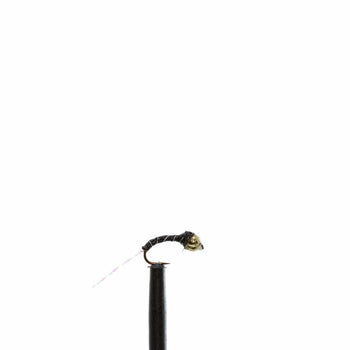
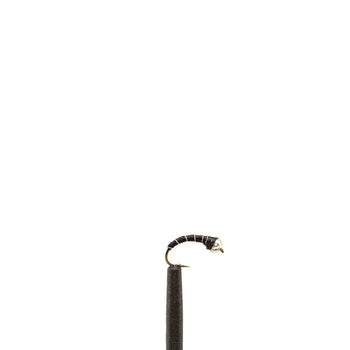
Zebra Midge – Black or Red (#18–#22): A simple, segmented pattern that imitates both midge larvae and early pupae. The slim body and wire ribbing give it a natural, insect‑like profile. Fish it deep in slow runs and tailouts when trout are hugging the bottom.
-
Nickel Bead Zebra Midge – Black (#18–#22): Adds a small bead for extra weight and a touch of shine. This version sinks quickly and drifts naturally, making it ideal as the point fly in a two‑fly rig, with a smaller midge or RS2‑style pattern trailing behind.
-
Disco Midge – Red or Chartreuse (#18–#22): A flashier larva‑style pattern that still keeps the slim midge profile. The bright body helps in stained water, low light, or when fish seem less active. Fish it subsurface on a short dropper or paired with a more natural midge.
Midge Pupae & Emergers (Mid‑Column)
As midges rise off the bottom, they transform into pupae and begin their ascent through the water column. This “in‑between” stage is a major feeding window—trout can sit mid‑depth and pick them off with very little effort. These patterns cover that suspended zone from mid‑column up into the surface film.
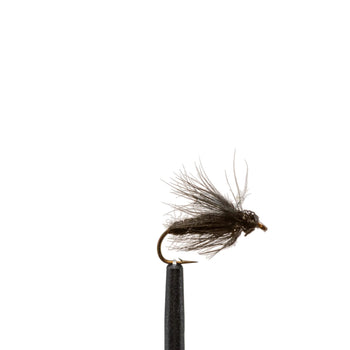
-
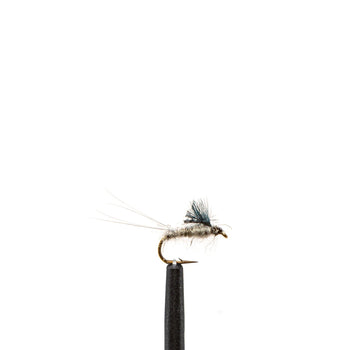
RS2 (#18–#22): A slim, low‑riding emerger that suggests both tiny midges and small mayflies. The simple tail and trailing shuck make it perfect for fish feeding just under the surface in soft currents and tailouts. Fish it behind a small dry or above a slightly heavier nymph.
-
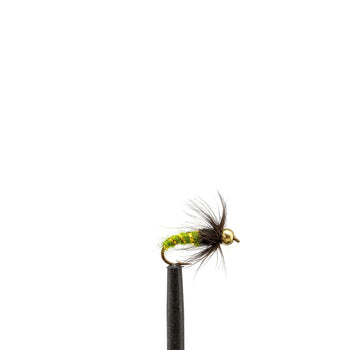
Beadhead Emerger - Black (#18–#20): A slightly heavier emerger that rides in the upper third of the water column. The bead helps it sink while the dark profile reads as a rising midge or small mayfly. Run it as the upper fly in a two‑fly nymph rig so it drifts just above your anchor fly.
-
Soft Hackle - Black (#16–#18): A classic soft‑hackle that comes alive with the slightest movement. Dead‑drift it through a seam, then let it swing and lift at the end of the drift to imitate an emerging insect struggling toward the surface.
Midge Adults & Clusters (Surface)
Once midges reach the surface, they emerge into winged adults. In winter, adults can appear in steady but subtle trickles—trout rise softly, leaving gentle dimples rather than splashy takes.
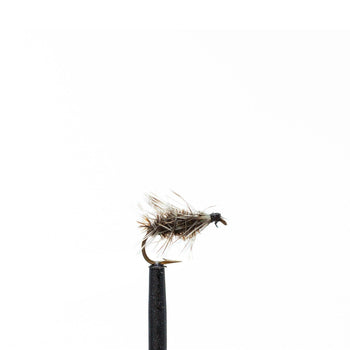
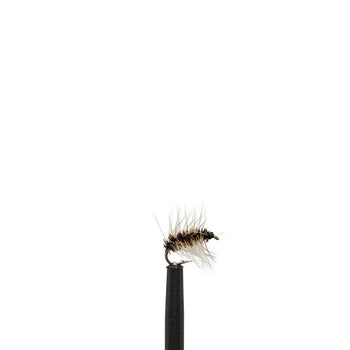
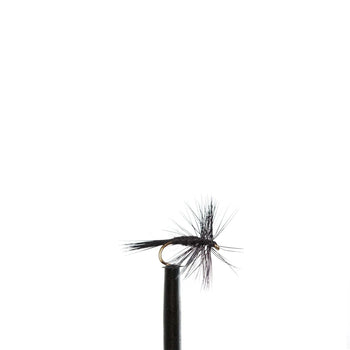
-
Griffith’s Gnat (#18–#22): Imitates a cluster of tiny midges stuck together on the surface. Ideal when you see pods of fish sipping in calm water. Fish it on 5X–6X and focus on long, drag‑free drifts.
-
Berger’s Badger Gnat (#18–#22): A high‑floating midge imitation built for low‑light hatches and technical water. The badger hackle creates a realistic footprint and keeps the fly riding high, while the slim light body is easy for both trout and anglers to see. A great choice on spring creeks, stillwater, and slow slicks when trout are sipping tiny insects with caution.
-
Midge Dry – Black (#20–#24): A minimalist adult midge that shines in flat, clear water where trout are keyed on individual bugs. Best over rising fish in slow tailouts and eddies.
📌 Midge Tips: Use thin tippet (5X–6X, even 6X–7X for tiny dries) for a natural drift and keep your indicator small—winter midge eats often register as just a tiny pause or dip.
2. Nymphs: The Workhorses of Winter
When nothing is obviously hatching, nymphs are your high‑confidence option. Most of a trout’s winter diet happens below the surface, where small mayfly nymphs, stonefly nymphs (on some rivers), and the occasional “junk food” drift by.
Small Mayfly Nymphs
These slim patterns imitate the juvenile stages of mayflies like BWOs and other small olives.

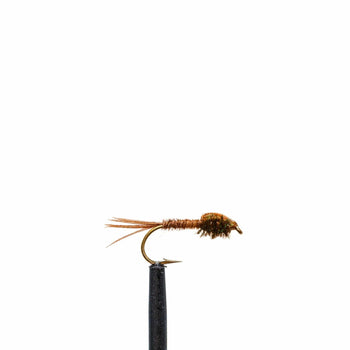
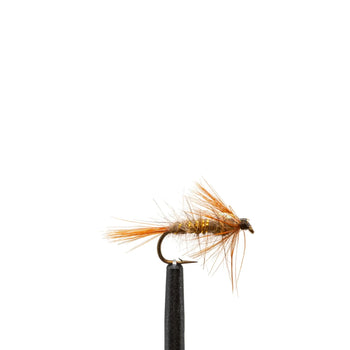
-
Beadhead RS2 (#18–#22): A slim, no‑frills mayfly nymph that’s deadly when fished deeper. Its subtle profile matches tiny olives in clear winter water—run it as a dropper below a Flashback Hare’s Ear or Pheasant Tail to pick off trout feeding just off the bottom or mid‑column.
-
Pheasant Tail Nymph (#16–#20): A classic all‑purpose mayfly nymph with a natural profile. Fish it above a small midge larva or on its own in slightly faster winter runs.
-
Flashback Hare’s Ear (#16–#18): A proven small mayfly‑style nymph that just works. The natural hare’s body suggests a mix of nymphs, while the flashback wing case adds a subtle trigger in cold, clear water. Fish it as your lead fly with a tiny midge or RS2 off the bend.
Stonefly Nymphs (Select Waters)
On rivers that support them, stoneflies offer a bigger, calorie‑rich meal and double as great “anchor” flies to get your rig down.

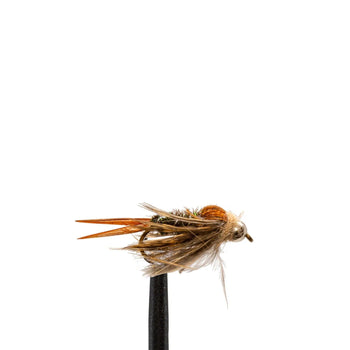
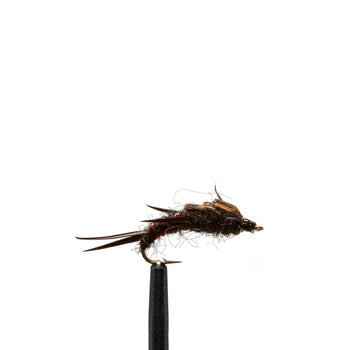
-
Rootbeer Rubber Legs (#6–#12): A modern guide favorite for imitating large stonefly nymphs. The rubber legs add movement and the darker rootbeer body stands out just enough in cold, slightly off‑color winter flows. Fish it as your lead fly with a smaller midge or mayfly pattern 12–18 inches behind.
-
20‑Incher Stonefly Nymph (#6–#10): A heavily weighted, buggy stonefly that gets down fast in deep runs and heavy seams. Its thick profile and natural colors make it a perfect winter anchor fly when you need to reach the bottom quickly.
-
Kaufmann’s Stonefly Nymph (#6–#10): A classic stonefly nymph with a lifelike silhouette and plenty of built‑in weight. Ideal for structured water—boulder fields, ledges, and deep slots—where trout key in on larger nymphs hugging the bottom.
“Junk Food” (Use Sparingly & Responsibly)
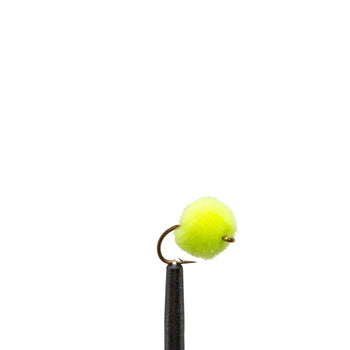
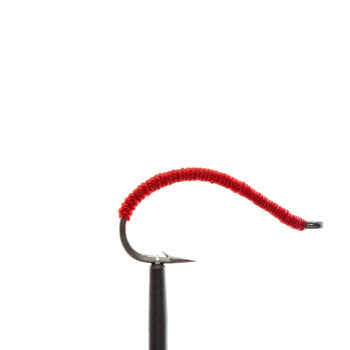
These patterns imitate eggs, worms, and general attractors that don’t match a specific insect but still get eaten.

-
Egg Pattern (#10–#16): Effective in early winter and during or just after spawning periods. Drift it through deeper runs and behind likely spawning areas (but avoid casting directly on active redds).
-
San Juan Worm or Similar (#12–#16): A simple worm profile that can save a slow day, especially after flow bumps or during slightly off‑color conditions.
-
Tungsten Bead Rainbow Warrior (#16–#20): A flashy attractor nymph that doesn’t match a specific bug but gets noticed when trout need a little extra trigger. Fish it as a dropper below a heavier nymph or stonefly when standard patterns aren’t moving the needle.
📌 Nymph Tips: Build a two‑fly rig with a heavier fly (stonefly, tungsten nymph, or beadhead mayfly) and a smaller midge or RS2 as a dropper. Adjust weight until your flies tick bottom occasionally—that usually means you’re in the zone. Winter eats often feel like your rig just “stopped” or barely pulsed, so set on anything suspicious.
Winter Tactics That Catch More Fish
-
Fish the warmest part of the day:
Late morning to mid‑afternoon is prime; skip the frozen dawn starts. -
Slow everything down:
Shorter casts, slower drifts, and methodical coverage of each seam. -
Tighten up your indicators:
Fish slightly shorter distances between indicator and weight in shallower winter runs. -
Dress for success:
Warm, dry, and comfortable means you’ll actually stay long enough to hit the bite window.
Building a Winter Fly Box
When you’re packing for a winter session, prioritize:
- Midges: Larva, pupa, and adults in sizes 18–24, black/olive/red.
- Emergers: RS2‑style and soft‑hackle emergers in 18–22 with sparse, realistic profiles.
- Nymphs: Slim mayfly nymphs in 16–20; a few stoneflies or heavier anchor flies.
- Wildcards: One or two egg patterns and small attractor nymphs.
With this core lineup, you can confidently cover 90% of winter trout scenarios on most Western rivers.
Taking It to the Water
Winter fly fishing isn’t about numbers; it’s about refining your skills when conditions are toughest—reading soft water, dialing in subtle presentations, and trusting small flies.
Load your box with a smart mix of midges, emergers, and nymphs, pick your warmest window of the day, and fish slow, deliberate drifts through the soft stuff. The rewards—big, colored‑up trout from quiet winter water—are more than worth it.


