

Fly of the Month: The Humpy
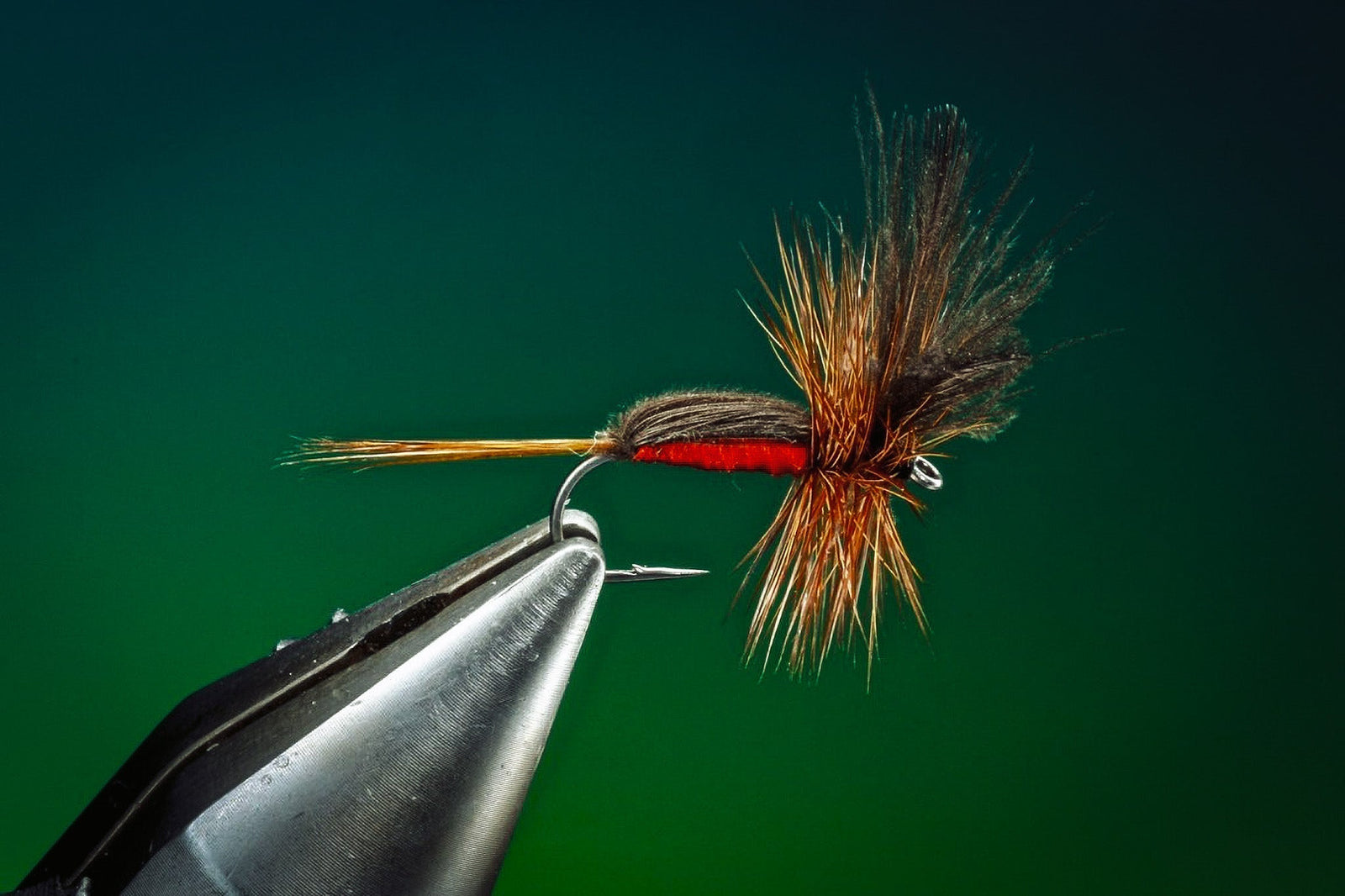
When it comes to high-floating dry flies that can handle big water, fast riffles, and aggressive takes, few patterns match the staying power of the Humpy. Originally known as the "Goofus Bug," this quirky but highly effective fly has earned its place in the fly boxes of trout anglers around the world. Loved for its visibility, buoyancy, and general-attractor appeal, the Humpy is a summertime workhorse — and a must-have when fishing the West's freestone rivers, especially during terrestrial season or when the hatch is sparse.
A Brief History of the Humpy
The Humpy’s origins trace back to the American West in the 1940s, where it began life under a different name: the Goofus Bug. Tied with moose or deer hair and meant to imitate a wide variety of insects, it wasn’t pretty — but it worked. Western anglers needed something rugged, visible, and buoyant enough to ride the rough pocket water and high-gradient streams of places like Montana, Idaho, and Wyoming. The Goofus Bug fit the bill, and quickly gained traction as a reliable all-purpose dry fly.
Over time, tiers refined the original into what we now call the Humpy, named for its distinctive hump-backed profile formed by stacking deer hair over the body and wing. While it lacks the elegance of classic Catskill dries, the Humpy is all about performance: it floats like a cork, holds up after multiple strikes, and stays visible even in foamy, broken water.
By the 1950s and ’60s, the Humpy had become a Rocky Mountain mainstay, showing up in fly shops and guide boxes from California’s Sierra Nevada to the Colorado Front Range. Today, it remains one of the most trusted attractor dry flies for summer water — especially in fast-moving freestone streams and high-country cutthroat country where subtlety takes a back seat to strike-inducing presence.
How to Fish the Humpy in Fast Water
The Humpy wasn’t designed for delicate presentations or technical spring creeks — it was built for action. With its high-floating, heavily hackled design and bushy deer hair profile, the Humpy thrives in the kind of fast, broken water where subtler dries get drowned. Whether you’re fishing tumbling pocket water, turbulent riffles, or high-gradient freestone runs, this fly stays visible, stays afloat, and gets noticed. Here's how to make the most of it when the water’s moving and the trout are hungry:
1. TARGET FAST CURRENTS AND RIFFLES
The Humpy shines where other dries struggle — in broken, choppy water that drowns lower-profile flies. Focus your efforts on classic freestone features like riffles, plunge pools, bankside eddies, and foam seams. These areas are often rich in oxygen and attract actively feeding trout. The Humpy’s high-riding profile stays visible in rough surface texture, helping you track your drift and detect strikes. Use short, controlled casts and high-stick techniques to maintain a natural presentation, especially in pocket water where drifts are brief.
2. USE A SLIGHTLY HEAVIER LEADER
Because the Humpy is bulky and wind-resistant, stepping up to a 4X or even 3X tippet can make a big difference. The heavier leader helps you turn the fly over cleanly and land it upright, even when casting across fast-moving water or into breezy conditions. You’re not aiming for delicate slack-line presentations here — instead, prioritize control, accuracy, and fly placement. A slightly stiffer leader also helps reduce micro-drag in chaotic currents, giving your drift a more natural look.
3. ADD MOVEMENT SPARINGLY
While most of your drifts should be dead-drifted, adding subtle movement at the right moment can seal the deal. A small twitch at the end of the drift or after a mend can mimic a struggling terrestrial or caddis trying to escape — a motion that often triggers instinctive strikes from trout in ambush lanes. The key is restraint: too much movement can spook fish or pull the fly unnaturally. Try experimenting with movement in short pockets or during low-hatch conditions when you want to provoke a reaction.
4. FISH IT DRY-DROPPER STYLE
The Humpy’s legendary floatation makes it an ideal top-fly for dry-dropper rigs. Tie a short 12–24" dropper of 5X or 6X tippet off the bend of the hook and attach a beadhead nymph, emerger, or even a soft hackle. This lets you cover both feeding zones at once — the surface and just below it — and is particularly effective when trout are sipping emergers but not quite rising. It’s a go-to setup for prospecting new water, especially in faster seams and transition zones where fish can be feeding at multiple depths.
📌 Pro Tip: Keep your fly high and dry by treating it with desiccant powder or a gel floatant after every few fish or drifts. Don’t wait until it starts to sink — preemptive drying keeps the Humpy riding high longer and gives you more consistent drifts throughout the day.

When to Use the Humpy
The Humpy is most effective from late spring through early fall, when trout are actively feeding near the surface and water conditions are dynamic. Its buoyant build and bushy profile make it ideal for situations where precision is less important than visibility, floatation, and the ability to cover water quickly. Reach for the Humpy in the following scenarios:
- Fishing high-gradient streams with lots of pocket water: These broken-water environments are where the Humpy excels. Its durable construction and high-floating profile allow it to stay visible and ride above the chop, making it perfect for short, quick drifts through plunge pools and fast seams.
- When there’s no obvious hatch and trout are looking up: The Humpy functions beautifully as a general attractor when trout aren’t keyed in on a specific insect. Its buggy shape suggests a wide range of prey — caddis, stoneflies, terrestrials — and draws reflex strikes from opportunistic fish.
- Prospecting new water: If you’re exploring unfamiliar stretches of river or targeting new holding lies, the Humpy is an excellent first-fly choice. It helps you quickly test whether fish are willing to rise and gives you visual feedback on drift quality and fish behavior.
- During terrestrial season (mid-summer through early fall): With its bushy deer hair and high-floating hackle, the Humpy mimics beetles, ants, and even small hoppers — especially in green, black, or pink variations. It’s an excellent option when fishing along grassy banks or under overhanging branches where terrestrials frequently fall in.
- After runoff and during warm summer flows: Post-runoff water often runs high, cold, and oxygenated — ideal conditions for the Humpy. Fish begin to shift from subsurface feeding to more aggressive dry fly takes, and the Humpy’s rugged profile is easy to spot and hard to ignore.
Pair the Humpy with a short cast, a confident mend, and a quick hookset. It’s not a finesse fly — it’s a strike-inducing tool built for aggressive takes and bold trout. Keep a mix of sizes and colors ready, and you’ll have a reliable surface option no matter what summer throws your way.
Humpy Variations to Try This Summer
These Humpy patterns cover a wide range of summer water conditions — from high-gradient pocket water to foam lines and riffle tails.
|
|
|
|
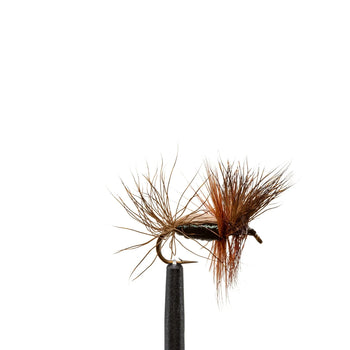
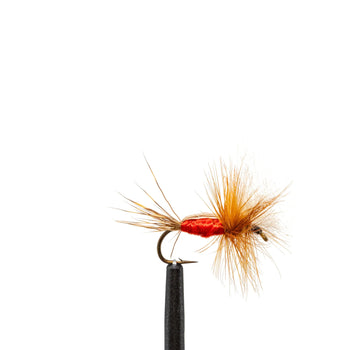
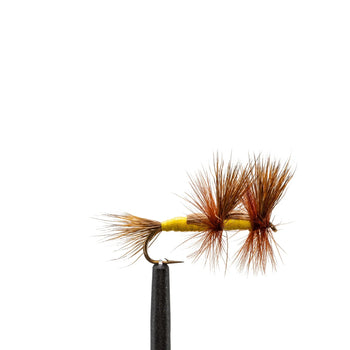
| Red Humpy | Yellow Humpy | Green Humpy | Black Humpy |
|
|
|
|
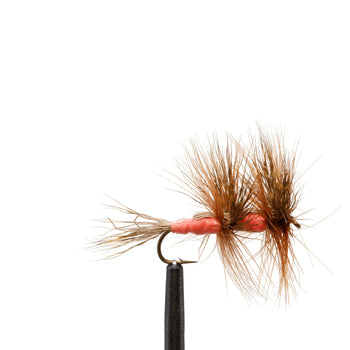
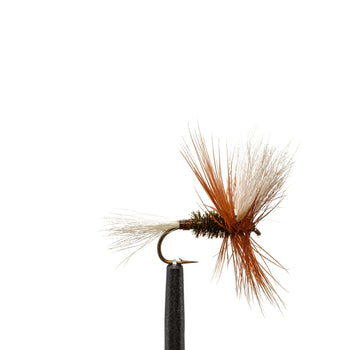
| Royal Humpy | Double Humpy | Pink Double Humpy | H&L Variant |
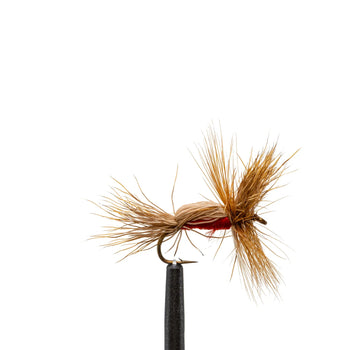
Red Humpy (Sizes 12–16): A bold attractor fly that excels in fast, rough water where visibility is key. The red body grabs attention and triggers reflex strikes, especially when fish aren't keyed on a specific hatch.
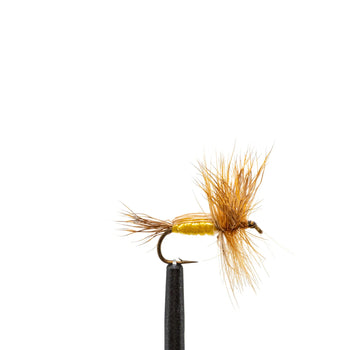
Yellow Humpy (Sizes 12–16): A go-to for sunny days and golden stonefly season. The bright yellow body mimics small stoneflies and sallys, and holds its own as a top dry-dropper anchor fly.
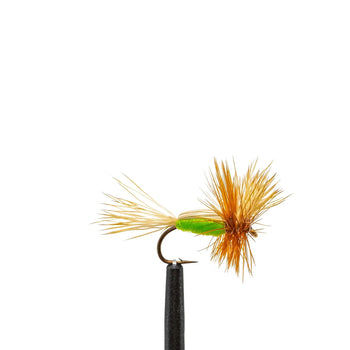
Green Humpy (Sizes 12–16): A versatile attractor that stands out when caddis or green drakes are active. Its color offers just enough contrast on overcast days or in mixed hatches.
Black Humpy (Sizes 12–16): An excellent silhouette pattern for clear water or bright skies. Doubles as a beetle or ant imitation and works well on pressured fish.
Royal Humpy (Sizes 12–16): A flashy, high-floating attractor with peacock and red banding. Great for prospecting water when you want to elicit a fast reaction strike.
Double Humpy (Sizes 10–14): Built for big water and big flies. With double-stacked deer hair, this fly floats all day — even in turbulent runs and plunge pools.
Pink Double Humpy (Sizes 10–14): A summer sleeper pick when fish are on terrestrials or want something a bit out of the ordinary. Especially effective late in the season.
BONUS – H&L Variant (Sizes 12–16): A close cousin of the Humpy with a white calf hair post for excellent visibility and a slimmer profile. Perfect for twilight or foam-line sippers when fish need just a little more subtlety.
📌 Pro Tip: Fish different Humpy colors throughout the day to adjust to light conditions and fish behavior. Yellow and red excel in bright light, while green, black, and pink often produce better in overcast or late-afternoon shadows.
Taking It to the Water
When summer flows hit their stride and trout start looking up, there’s no better time to load your box with a full spread of Humpy patterns. This is a fly built for energy, speed, and big-water presence — and it earns its place on the line when conditions get wild.
- Start bold with the Red or Royal Humpy in splashy riffles and plunging runs — these high-vis attractors command attention and draw explosive strikes from aggressive fish.
- Shift to Yellow or Green when fishing foam seams or low-light banks. These colors offer contrast and silhouette in changing light and mimic everything from golden stones to terrestrials.
- Rule the pockets with the Double Humpy — its stacked deer hair construction floats forever, even after a dozen drifts or a few fish. It’s the perfect top-fly in dry-dropper setups when you need staying power.
- Change it up with the Black or Pink Double Humpy when trout get selective. Sometimes the subtlest color tweak turns refusals into takes.
Match your Humpy with a sturdy 3X–4X leader, and don’t be afraid to fish aggressively — short drifts, fast mends, and the occasional twitch can all trigger violent takes. This is active dry fly fishing at its finest.
The Humpy isn’t just another attractor — it’s a piece of Western fly fishing history, still earning its keep in modern trout boxes. Whether you’re chasing native cutthroat in the Tetons, browns on a Montana freestone, or high-elevation brookies in skinny water, the Humpy brings confidence and versatility to every cast.
Keep it high, dry, and moving — the trout won’t be far behind.
SHOP JHFLYCO HUMPY PATTERNS
RELATED ARTICLES:
- Casting Into Summer: An Early Season Fly Selection Guide
- JHFLYCO Dry Fly Guide: Top Gear, Proven Techniques & Seasonal Hatches
- Mastering the Mayfly Hatch: Fly Patterns, Timing & Tactics for Success
- Fly of the Month: The Pale Morning Dun (PMD)
- Catch and Release Done Right: Ensuring a Healthy Future for Our Fish


