

Backcountry Fly Fishing Essentials: Gear, Tips & Tactics for Remote Waters
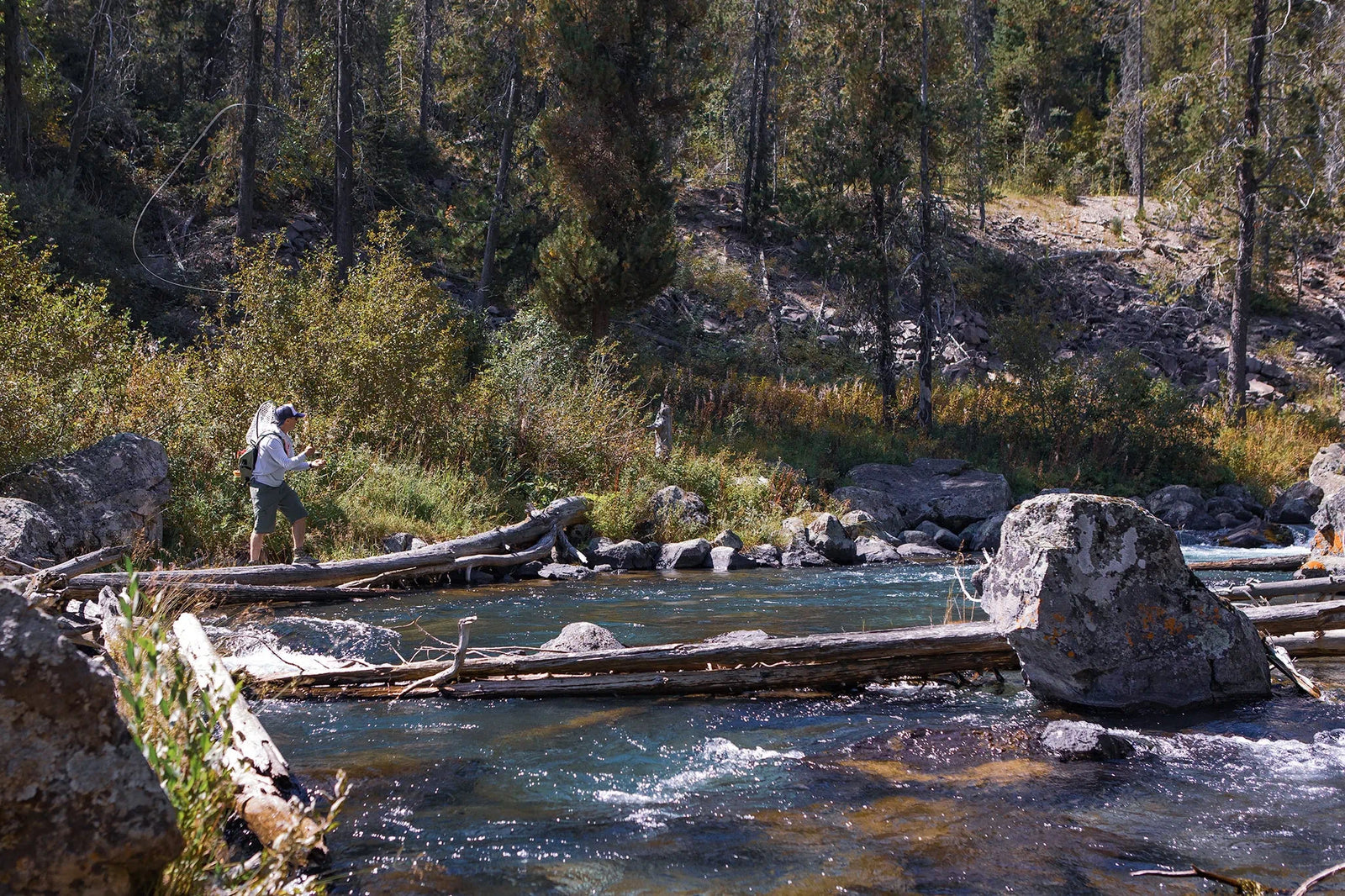
When the crowds thin out and the trail gets quiet, that’s when the real magic of fly fishing begins. Backcountry trips offer a rare kind of solitude, where wild trout sip dries undisturbed in glassy creeks and alpine lakes shimmer beneath snow-capped peaks. But fishing in remote places requires more than just ambition—it demands preparation, efficient gear, and a plan for navigating unpredictable terrain.
In this guide, we'll walk you through how to prepare for your next off-the-grid fishing trip, the gear you should bring, how to find rewarding backcountry water, and what it takes to fish tight, technical spots with confidence.
Preparing for a Backcountry Fly Fishing Trip
Success in the backcountry starts with thorough preparation. Remote environments are unforgiving, so every decision—from route planning to packing—must be deliberate and informed.
Map Your Route: Use topographic maps (USGS or Gaia GPS) and satellite imagery (Google Earth or onX Backcountry) to plan your route. Identify water sources, campsites, and elevation changes. Check recent trail reports on platforms like AllTrails for updates on trail conditions, closures, or hazards. Mark bailout points and know the distance to the nearest road or ranger station in case of emergencies. For example, a 10-mile hike with 2,000 feet of elevation gain can take 5-7 hours depending on terrain and pack weight.
Check Weather and Water Conditions: High-altitude weather is unpredictable—clear mornings can turn into thunderstorms by noon. Check forecasts for your specific elevation using tools like NOAA or Mountain Weather. Pack a lightweight rain shell (e.g., Patagonia Torrentshell, 10 oz) and a packable puffy jacket (e.g., Arc’teryx Atom LT, 12 oz) for insulation. Monitor snowmelt or runoff patterns, as high water can make streams unfishable. Fire bans are common in summer—carry a compact stove like the MSR PocketRocket 2 (2.6 oz) for cooking.
Weight Management: Aim for a base pack weight (excluding food and water) of 20-25 pounds for a 2-3 day trip. Prioritize multi-use gear, like a spork or a tarp that doubles as a rainfly. Use a pack with a capacity of 40-50 liters (e.g., Osprey Exos 48, 2.6 lbs) to balance comfort and weight. Weigh every item—cutting an ounce here and there adds up over miles.
Leave No Trace: Protect fragile alpine ecosystems. Use barbless hooks to minimize fish injury, avoid trampling redds (spawning beds), and pack out all waste, including biodegradable items like apple cores. Consider using a bear bag or canister (e.g., Ursack Major, 7.6 oz) in bear country to secure food and scented items.
Water & Food: Carry a lightweight water purification system. Gravity filters (e.g., Platypus GravityWorks, 11.5 oz) are efficient for groups, while UV pens (e.g., SteriPEN Ultra, 2.6 oz) are ideal for solo trips. Plan for 2 liters of water per person per day, adjusting for heat and exertion. For food, aim for 1.5-2 pounds per day with calorie-dense options like freeze-dried meals (Mountain House, ~5 oz per serving), high-protein bars (RXBAR, 1.8 oz), and trail mix with nuts and dried fruit (4,000 calories per pound).
Navigation & Safety: A GPS device (e.g., Garmin inReach Mini 2, 3.5 oz) or satellite messenger is critical for emergencies in areas without cell service. Preload maps and mark fishing spots, campsites, and water sources. Carry a compact first-aid kit (e.g., Adventure Medical Kits Ultralight, 3 oz) with essentials like bandages, blister treatment, and pain relievers. Always share your itinerary with a trusted contact, including expected return time.
Gear That Goes the Distance
Backcountry fly fishing requires gear that’s lightweight, durable, and versatile. Every item must perform under rugged conditions without adding unnecessary bulk. Below are 12 essentials, with detailed specs to help you choose wisely.
Rod & Reel Combos
Backcountry rods need to be compact, responsive, and capable of handling tight casts and small, spooky trout. These combos are pre-rigged for convenience and designed for portability.
-
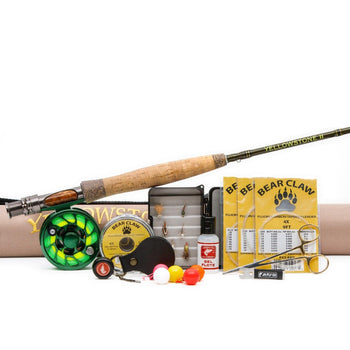
Fall Creek Combo Kit – 7'0" 4WT – Designed for small to medium streams, this 4-weight combo excels in tight quarters. The medium-fast action Yellowstone II rod delivers precise casts for dry flies and light nymphs. The Yellowstone Grizzly reel features a smooth drag for protecting light tippets (5X-6X). Includes 4WT floating line, 100 yards of 20 lb backing, a 9’ 5X leader, and a padded travel case. Lifetime warranty ensures durability for years of remote adventures. Best for creeks with 2-5 lb trout.
-
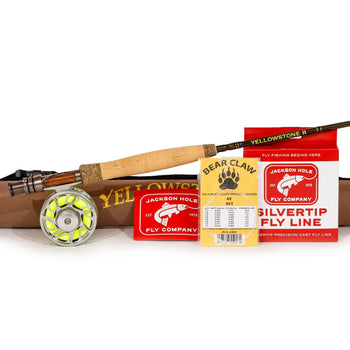
JHFLYCO Backpacker Combo Kit – 7'0" 4WT – This ultralight 4-piece setup is built for long treks. The fast-action rod handles wind and delivers delicate presentations in small streams. The reel offers a reliable click-pawl drag for simplicity and weight savings. Includes 4WT floating line, 100 yards of 20 lb backing, a 9’ 4X leader, and a compact travel case. Lifetime warranty. Ideal for high-altitude creeks and cautious cutthroat or brook trout.
-
Battenkill River Combo Kit – 7'0" 3WT – Tailored for tiny streams and delicate presentations, this 3-weight combo is perfect for brook trout in overgrown waters. The fast-action rod loads easily with short casts, ideal for bow-and-arrow techniques. The reel has a sealed drag for reliability in wet conditions. Includes 3WT floating line, 80 yards of 20 lb backing, a 9’ 6X leader, and a travel case. Lifetime warranty. Best for ultra-light fishing in tight, technical waters.
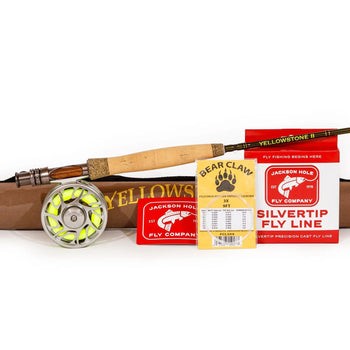
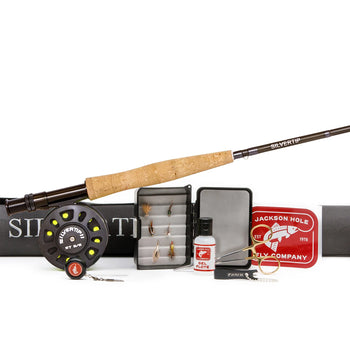
- Jackson Lake Combo Kit – 9'0" 6WT Stillwater Kit – Built for stillwater and larger trout, this 6-weight combo balances power and finesse for casting larger flies and handling wind. The medium-action Silvertip rod excels in lakes and slow rivers. Paired with a 5/6WT Silvertip II reel,it features a smooth drag and comes pre-spooled with Silvertip Weight Forward line, Dacron backing, and a 9’ monofilament leader. Includes a fly box with six patterns, tools, floatant, and a travel case. Lifetime warranty. Ideal for streamers, nymphs, or dries in bigger water.
Streamside Tools
Every ounce counts when you're miles from the nearest road. These compact, high-function tools cover the essentials without adding bulk to your pack.
-
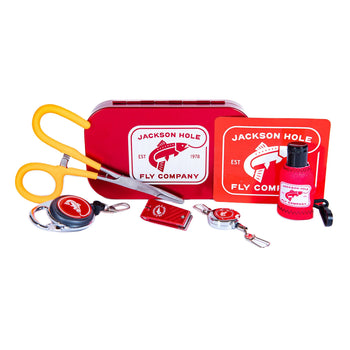
JHFLYCO Pro Tools Kit – A streamlined set including forceps, nippers, zinger, floatant caddy, and tippet holder—built to handle backcountry trips with minimal weight and maximum efficiency.
-
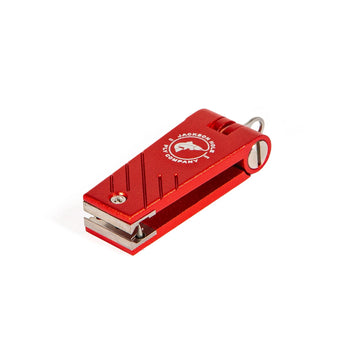
JHFLYCO Pro Nipper – Compact, sharp, and durable—ideal for quick tippet changes without extra weight.
-
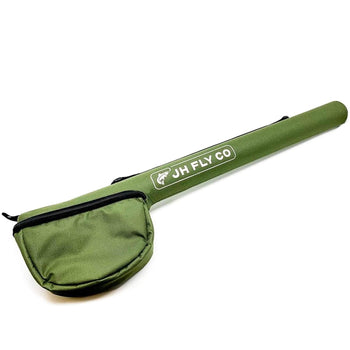
Fly Rod Case with Reel Pouch – A hardshell case protects 4-piece rods and reels during travel. Waterproof and crush-resistant, with a padded reel pouch to prevent scratches. Fits rods up to 9’6” and reels up to 5” diameter.
Flies & Rigging
Smart rigging and reliable fly storage make your time on the water more productive. These essentials keep you organized and ready to adapt to changing conditions.
-
DIY High-Country Fly Loadout
Build a versatile kit for alpine waters:.
-
- Dries: Humpy (#12-16, red or yellow for visibility), Adams Parachute Wulff (#14-18, for low-light hatches), Elk Hair Caddis (#14-16, for skittering), Royal Wulff (#12-16, for attractor patterns).
- Nymphs: Pheasant Tail (#16-20, for mayfly imitations), Hare’s Ear (#14-18, for caddis larvae), Copper John (#16-18, for weight in fast water).
-
Terrestrials: Foam Beetle (#12-16, for summer meadows), Chernobyl Ant (#10-14, for splashy takes).
Carry 6-8 of each pattern in a slim fly box (e.g., Tacky Original, 3 oz) to cover most scenarios.
-
Loaded Dry Fly Box – Prefer to hit the trail with flies already selected and organized? A pre-packed box with summer favorites offers the perfect grab-and-go solution for alpine fishing.
Storage & Carry
The right pack system keeps your gear dry, accessible, and balanced over miles of trail. These carry solutions help you stay light and move efficiently through backcountry terrain.

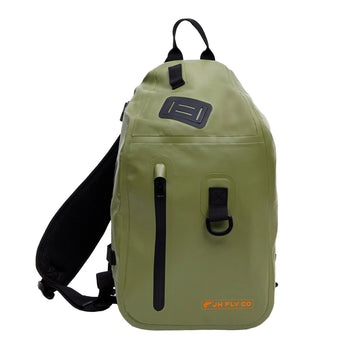
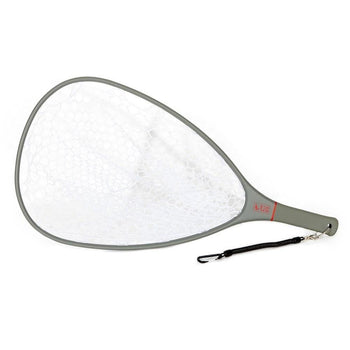
-
JHFLYCO Waterproof Backpack – A fully waterproof 27L pack with 500D PVC construction and a TIZIP® zipper to keep gear dry. Features padded straps, a waist belt, and D-ring for tools. Side straps secure a rod or net, and a Velcro compartment organizes essentials. Ideal for multi-day backcountry trips.
-
JHFLYCO Waterproof Sling Pack – A submersible 20L sling (1.8 lbs) with a 500D PVC shell and TIZIP® zipper. Offers padded, adjustable straps, a net sleeve for the JHFLYCO 37" Landing Net, D-rings, and a water bottle holder. Perfect for day trips or wet conditions, with quick-access storage for fly boxes and tools.
-
JHFLYCO Carbon Fiber Landing Net – A lightweight net with a carbon fiber/fiberglass composite frame, waterproof and UV-resistant. The 12” rubberized basket minimizes fish harm, and the rubberized handle ensures a secure grip. Includes a SnapMagnet Tether with a magnetic clasp and bungee for quick access.
Finding Productive Backcountry Water
Locating fishable water in the backcountry requires research, observation, and instinct. Remote waters often hold eager trout, but finding them takes effort.
Scout Satellite Maps: Use tools like onX Backcountry or Google Earth to pinpoint high-elevation lakes, braided streams, or plunge pools. Look for features like beaver ponds, oxbows, or meadow sections that suggest slower water and fish habitat. Cross-reference with USGS streamflow data to avoid blown-out rivers during runoff.
Ask Local Experts: Visit fly shops or contact park rangers for intel on lesser-known waters. Online forums like Reddit’s r/flyfishing or regional fishing groups (e.g., Montana Fly Fishing Forum) often share tips on hidden gems. For example, a ranger might point you to a secluded lake in the Wind River Range that’s off most maps.
Follow the Gradient: Streams dropping from 8,000-10,000 feet often hold cold, oxygen-rich water, ideal for trout even in July or August. Target sections with a 2-5% gradient for optimal riffle-pool structure. Avoid flat, silty valley bottoms where water warms and fish are scarce.
Look for Inflows and Structure: Tributary junctions, spring seeps, and submerged logs or boulders create micro-habitats where trout congregate. In lakes, fish near drop-offs or weed beds where insects thrive. A handheld monocular (e.g., Vortex Solo 8x25, 5.6 oz) can help spot rising fish near structure.
Fish Early and Late: Trout feed most actively during cooler hours (6-9 AM, 6-9 PM). Midday heat can push fish into deeper pools or under cover. Plan your fishing around these windows to maximize action.

Tactics for Fishing Tight Water
Backcountry fly fishing often means smaller water, brushy banks, and spooky trout. Here are tips for making the most of those tight casts:
Stay Low & Approach Slow: Wild trout spook easily. Wear muted colors (olive, gray, or earth tones) and crouch or crawl to the water’s edge. Move slowly to avoid sending vibrations through the ground or ripples across the surface.
Use Short, Precise Casts: In tight quarters, overhead casts are often impossible. Master roll casts (for 10-20’ presentations), bow-and-arrow casts (for pinpoint accuracy), and sidearm flicks (for avoiding branches). Practice these at home to build muscle memory.
High-Float Flies Win: Buoyant dries like the Royal Wulff or Stimulator stay on top in choppy pocket water. Use foam terrestrials for extra flotation in turbulent currents. Pair with a light nymph (e.g., #18 Pheasant Tail) on a 12” dropper for versatility.
Work Upstream: Approach from downstream to let the current carry your fly naturally into feeding lanes. Target pool heads, riffle tails, and undercut banks where trout hold. Keep casts short (15-25’) to maintain control.
Don't Overfish One Spot: Remote trout often strike within the first 2-3 casts if they’re interested. If you get no hits, move 10-20 feet upstream to avoid wasting time on empty water.
Keep It Simple: A single dry fly or dry-dropper rig (e.g., Elk Hair Caddis with a beadhead nymph) minimizes tangles and maximizes fishing time. Use 5X-6X tippet for dries and 4X-5X for nymphs to balance strength and stealth.
Taking It to the Water
A backcountry fly fishing trip isn't just about the fishing—it's about reconnecting with wild places. With the right preparation and a dialed-in kit, you'll be ready to explore further, fish smarter, and enjoy the solitude that only wild water can offer.
Whether you're planning a week deep in the Tetons or a day exploring an off-the-map alpine lake, make sure your gear is ready for the journey. And when you find that perfect stretch of untouched water, you'll know the effort was worth it.


