

12 Great Flies for July Success
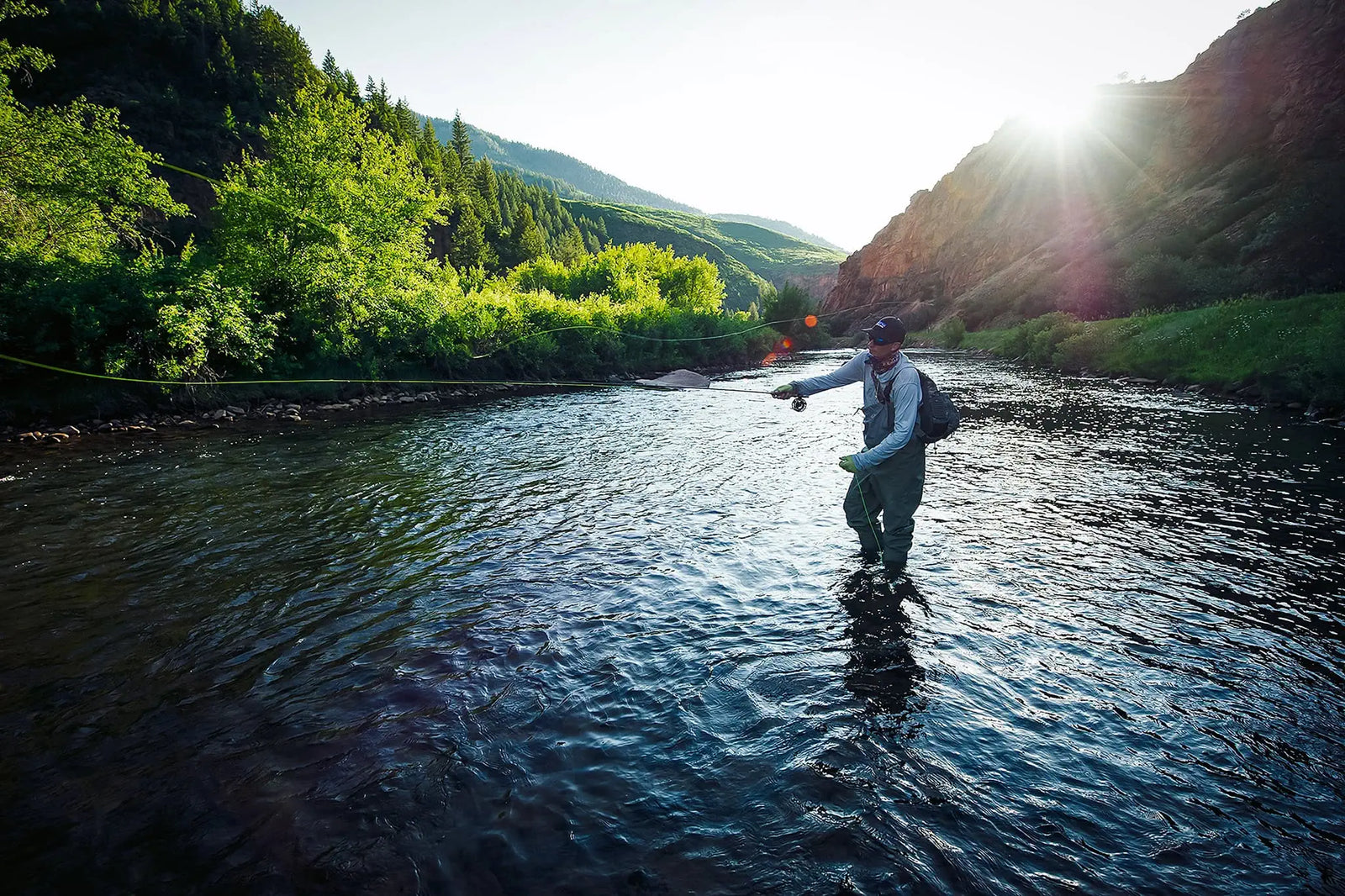
As summer heats up and rivers drop into prime shape, July becomes a standout month for fly fishing across the country. Trout are opportunistic, aggressive, and more than willing to rise for a well-presented meal. With hatches slowing down and terrestrial activity picking up, your fly box needs to be versatile. That means a mix of high-floating dries, realistic terrestrials, and flashy sub-surface offerings that can get the job done no matter where you're fishing.
Whether you're targeting alpine cutthroat, drift boat browns, or pocket water rainbows, these are the patterns we recommend to keep your rod bent and your net wet.
July Strategies, Tactics & Techniques
Fly fishing in July is all about adapting to changing conditions. As runoff fades and water levels stabilize, trout become more active but also more selective. Early mornings and evenings often bring cooler temperatures and more consistent action, while midday heat can push fish into deeper, faster water.
Here are a few key strategies to make the most of your time on the water this month:
- Start Early: Beat the heat by fishing at dawn or dusk when trout are most active.
- Use Terrestrials: July is peak season for grasshoppers, beetles, and ants—perfect for dry-dropper or single dry fly setups.
- Go Deep Midday: When the sun is high, switch to weighted nymphs and fish deeper runs where trout seek cooler water.
- Watch the Wind: Breezy afternoons often knock insects into the water, making terrestrial patterns even more effective.
- Stay Stealthy: Low, clear water demands longer leaders and softer presentations to avoid spooking fish.
Use these tactics to match your fly choice and presentation to the conditions—and you'll increase your odds of success all summer long.
Choosing the Right Fly
Every stretch of water presents a different puzzle, and knowing when to reach for a dry fly, tie on a terrestrial, or drift a flashy nymph can make all the difference. Each category of fly shines under different conditions—from glassy slicks to turbulent riffles, shady undercuts to mid-day runs. Below, we've grouped our top picks by category to help you match the hatch, mimic the meal, and meet the moment.
DRY FLIES
When trout are looking up, dry flies deliver unforgettable eats. July brings a mix of lingering hatches and opportunistic feeding in faster water. Look for broken riffles, seams, and pocket water where trout hold just beneath the surface, ready to ambush anything that drifts overhead. High-riding dries work especially well in turbulent currents, while more delicate dries shine in the evenings or slower pools.
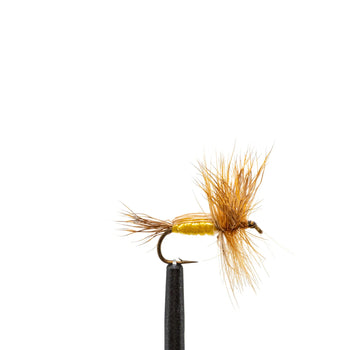
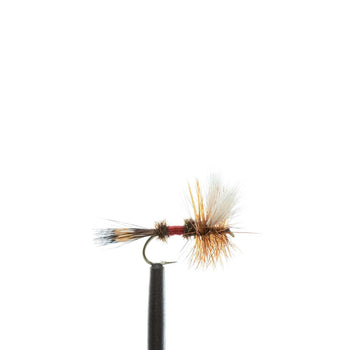
Yellow Humpy (Sizes 12–16): A high-riding attractor dry fly that performs best in broken, fast-moving water. Its buoyant body, bushy hackle, and bright color make it easy to see and irresistible to opportunistic trout. Perfect for covering pocket water and riffles when no hatch is obvious.
📌 Pro Tip: Fish it on a short, stout leader for better turnover and visibility in pocket water and shallow runs.
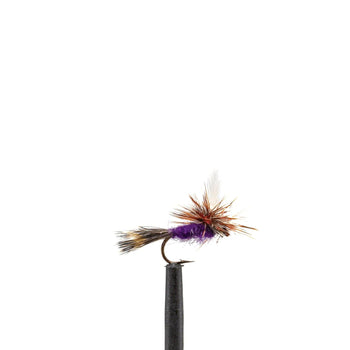
Purple Haze (Sizes 14–18): A modern classic that's equally effective during hatch-matching or as an attractor. The purple body creates a subtle contrast in bright or low light, and the parachute post helps it stay visible on the water. A go-to during PMD hatches or slow evenings.
📌 Pro Tip: Try it as a lead fly in a dry-dropper setup when fish are sipping small emergers in the film.
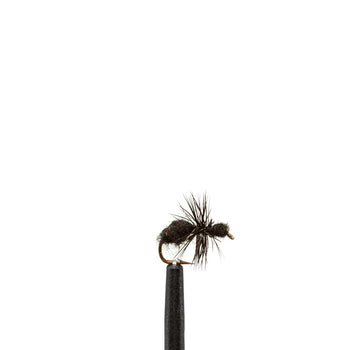
Black Ant (Sizes 16–20): Simple, realistic, and deadly. Ants are a staple food source during summer, especially after windy afternoons. Fish key in on the segmented body and subtle profile, especially in slow-moving water near banks or under overhanging branches.
📌 Pro Tip: Let it drift naturally along shady edges and pause occasionally to mimic a struggling insect.
Royal Wulff (Sizes 12–16): A time-tested attractor with high visibility and exceptional floatation. Its red and peacock body stands out in fast water, making it ideal for rough riffles and choppy currents when fish are feeding on the surface but aren't keyed in on anything specific.
📌 Pro Tip: Fish it solo in pocket water or pair it with a small dropper to cover multiple depths at once.
TERRESTRIALS
By mid-July, terrestrial insects become a key food source for trout—especially during windy afternoons. Grasshoppers, beetles, and ants tumble into the water from grassy banks and overhanging trees, triggering explosive surface strikes. Fish terrestrials along edges, near structure, and on smaller streams where these insects are most active. They're also ideal for dry-dropper setups in freestone rivers and meadow creeks alike.
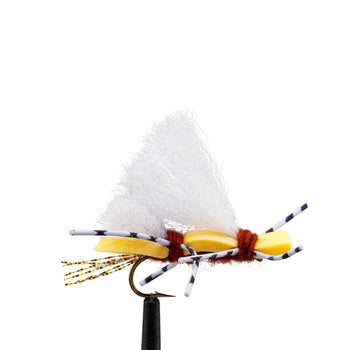
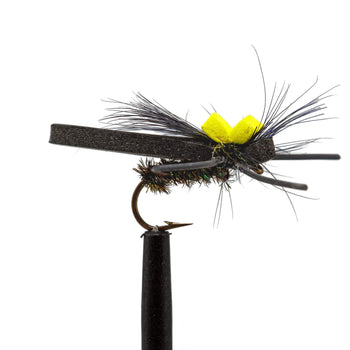
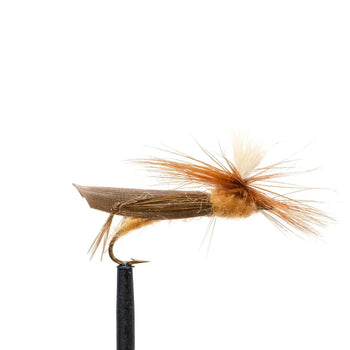
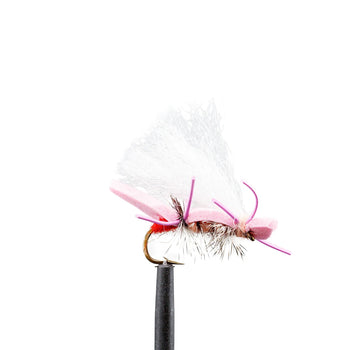
Gold Chubby Peanut (Chubby Chernobyl) (Sizes 8–12): A buoyant, easy-to-spot pattern that imitates hoppers, crickets, or simply looks too tasty to ignore. Foam body, rubber legs, and a bright indicator make it perfect for heavy water and dry-dropper rigs.
📌 Pro Tip: Pair it with a tungsten nymph 2–3 feet below to search deep pools or heavy seams with a dry-dropper setup.
Snake River Beetle (Sizes 12–16): A Jackson Hole favorite built for slow slicks and glassy eddies. Its foam body and peacock flash imitate beetles and small terrestrials with subtle realism. A stealthy option when trout are wary.
📌 Pro Tip: Cast tight to banks, especially beneath willows or overhanging branches where beetles fall naturally.
Parachute Hopper (Sizes 10–14): With a slim profile and highly visible parachute post, this hopper pattern excels in moderate currents and breezy afternoons. It lands softly but holds its own in broken water.
📌 Pro Tip: Use a reach cast to prevent drag and keep your hopper drifting naturally along grassy banks.
Pink Micro Chubby (Miss Piggy) (Sizes 12–14): A downsized version of the popular Chubby Chernobyl, this pattern excels when trout are wary of bigger hoppers. Its pink body and foam construction offer both visibility and buoyancy—perfect for subtle presentations in clear water.
📌 Pro Tip: Try this on smaller streams or pressured water where trout have seen a lot of big bugs.
NYMPHS
Even in summer, many feeding trout stay subsurface—especially during midday heat. Nymphs remain a reliable way to connect with fish holding in deeper pools, fast seams, or tailouts. In July, flashy and slightly oversized patterns tend to perform well, mimicking active aquatic insects or catching the attention of opportunistic feeders. Combine with an indicator or dry-dropper rig to cover the full water column.

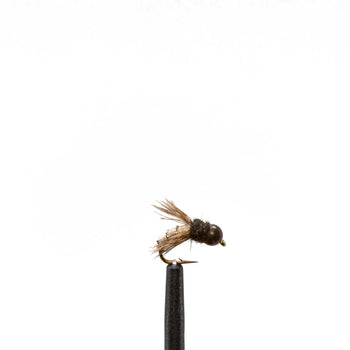
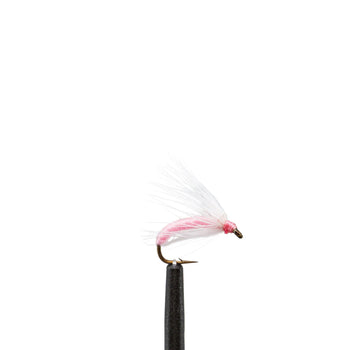
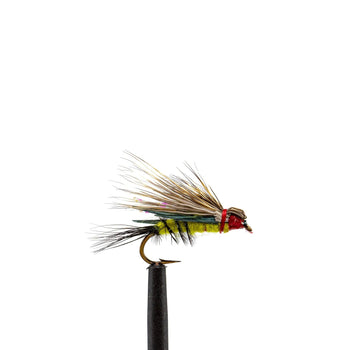
Beadhead Frenchie Jig (Sizes 14–18): This Euro-style nymph sinks quickly and gets into the zone fast. With a flashy rib and hot spot collar, it's a trout magnet in fast summer runs. Excellent for tight-line nymphing or as the anchor in a dry-dropper rig.
📌 Pro Tip: Fish it near the bottom through deep riffles and runs, especially mid-day when fish go deep.
Lightning Bug – Pearl (Sizes 14–18): A flashy, fishy nymph that imitates everything from mayfly nymphs to midges. Its iridescent body works well in clear or lightly stained water, making it a versatile summer choice.
📌 Pro Tip: Dead-drift it below a dry fly or indicator in riffles and tailouts with moderate depth.
MT Soft Hackle – Pink (Sizes 14–16): A swing-friendly soft hackle that adds movement and flash. Great when trout are suspended or following rising temps. The pink body adds visibility while the soft hackle pulses naturally.
📌 Pro Tip: Cast quartering downstream and let it swing through the current, then strip slowly to trigger a chase.
Golden Stone (Sizes 8–12): Big, buggy, and full of movement. This pattern imitates stonefly nymphs that remain active well into summer. Ideal for deep pools and fast chutes where trout are looking for a substantial meal.
📌 Pro Tip: Use as a lead fly in a double nymph rig to get down quickly and draw attention.
Taking It to the Water
With the right flies and the right approach, July can be one of the most productive months of your fly fishing season. From surface takes on foam hoppers to deep grabs on flashy jigs, success lies in your ability to read the water, adapt your tactics, and stay observant. Use this guide to round out your fly box and head into every trip with confidence. Whether you're fishing freestone creeks, big tailwaters, or alpine streams, these patterns and strategies will keep you connected to fish—and to the wild summer waters we all love to explore.


