

Fly of the Month: Parachute Patterns – Precision and Visibility on the Surface

When it comes to dry fly fishing, few patterns offer the balance of subtlety and visibility like the parachute fly. Designed with a horizontal hackle wrapped around a vertical post, parachute patterns sit low in the surface film—just like a real insect emerging or resting on the water. This unique structure allows for a natural drift, a clean silhouette from below, and improved angler visibility from above.
Parachute flies shine in late summer fly fishing conditions. As the season stretches on, water levels drop, hatches become sporadic, and trout grow increasingly selective. Successful fishing during this time means dialing in your presentation. Parachute dry flies are ideal because they mimic key mayfly and midge species with precise posture and delicate footprint.
What sets parachute flies apart is how they ride. Unlike traditional hackled dries that perch on stiff legs above the water, parachutes sit flush with the film. This creates a realistic profile to rising trout—especially in slick water, shaded banks, and riffled seams where naturals gather.
They're also a gift for anglers: the upright post makes them easy to track, even in low light or glare. Whether you're imitating a Pale Morning Dun, Blue-Winged Olive, or attractor-style bug like the Purple Haze, parachute flies strike a perfect balance between performance and presentation.
📌 Pro Tip: Parachute flies are especially valuable in this season—they're easy to see, maintain a clean profile, and ride perfectly in the film. Tie on a size 16–22 with 5X or 6X tippet, then focus on shady banks, riffles, and undercuts. Keep your casts minimal and deliberate to avoid spooking fish.
Featured Parachute Patterns
Here are some of our top-performing parachute flies that excel in low, clear water and selective feeding conditions.
|
|
|
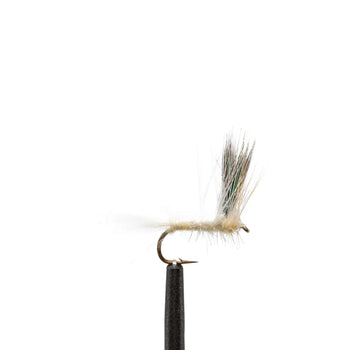
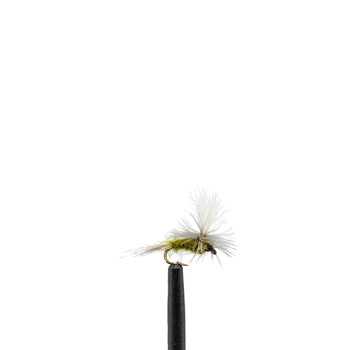
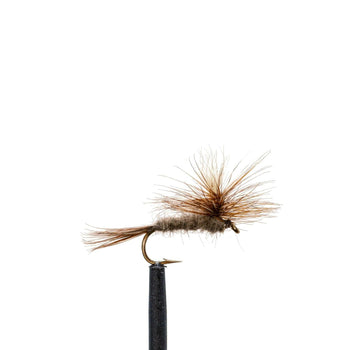
| PMD Parachute | Blue-Wing Olive Parachute | Parachute Adams |
|
|
|
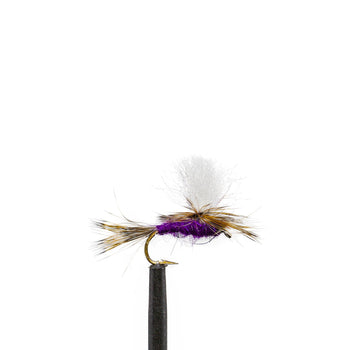
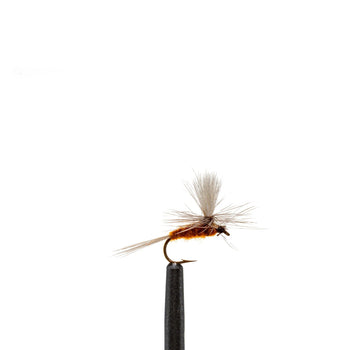
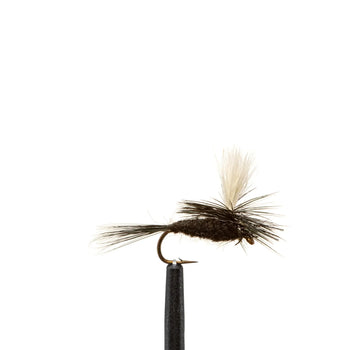
| UV Para Purple Haze | Parachute Mahogany Dun | Black Gnat Parachute |
PMD Parachute – One of the best late-summer mayfly hatches in the West, the Pale Morning Dun deserves a high-vis, go-to pattern. This parachute version floats clean, is easy to track, and imitates PMDs perfectly in the film.
Blue-Wing Olive Parachute – A staple throughout the season. The Parachute BWO is buoyant, lifelike, and available in the full Baetis size range (16–24). Great for picky fish feeding selectively on tiny olives.
Parachute Adams – The gold standard for trout fishing—and for good reason. Imitates a mayfly in the final stages of emergence. Fish it when trout are rising gently or sipping at the surface.
UV Para Purple Haze – A flashy twist on the Adams. The metallic purple body reflects light for added visibility in stained or low-light conditions. Also works as an attractor during mixed hatches or midge swarms.
Parachute Mahogany Dun – Late summer is peak time for Mahogany Duns. These crawlers hatch at the surface, so this pattern is excellent when you see rises but can't match the size or color with typical flies.
Black Gnat Parachute – Midge season never stops. This parachute-style gnat works beautifully when fish are sipping on tiny bugs that are otherwise too small to match. Also a solid backup in quiet eddies or tailouts.
📌 Pro Tip for Success
Match the hatch on both size and color—but don't forget about presentation. A poor drift or a shadow from your leader can spook even the most willing fish. Consider using a high-float leader and treat your flies with JHFLYCO Gel Float to extend float time and keep your presentation clean.
Taking It to the Water
Late summer can be a technical, humbling, and incredibly rewarding time to fish. With low flows and sharp-sighted trout, having the right parachute patterns, light tippet, and a stealthy approach can turn a slow day into one to remember. Keep your casts low, your drifts drag-free, and your fly box stocked with parachutes in a range of sizes and colors.
The fish are out there—now's the time to meet them where they're rising.


