

Tips & Tutorials

Understanding the life cycle of these unassuming creatures is integral to our practice as fly fishers. When we learn their patterns, we can more accurately mimic them, increasing our chances of making the perfect catch. So, this isn't just a lesson in entomology—it's a guide to being a more effective, more knowledgeable angler.
Continue reading

The hopper dropper setup is, essentially, a two-fly system. The 'hopper' is a buoyant, dry fly that mimics terrestrial insects like grasshoppers, while the 'dropper' is a weighted nymph or subsurface fly tied on a length of tippet off the bend of the dry fly.
Continue reading

Fly fishing is a captivating pursuit that combines skill, patience, and a deep connection with nature. At the heart of this art lies the selection and presentation of the fly. Each category of fly imitates a specific stage of aquatic...
Continue reading
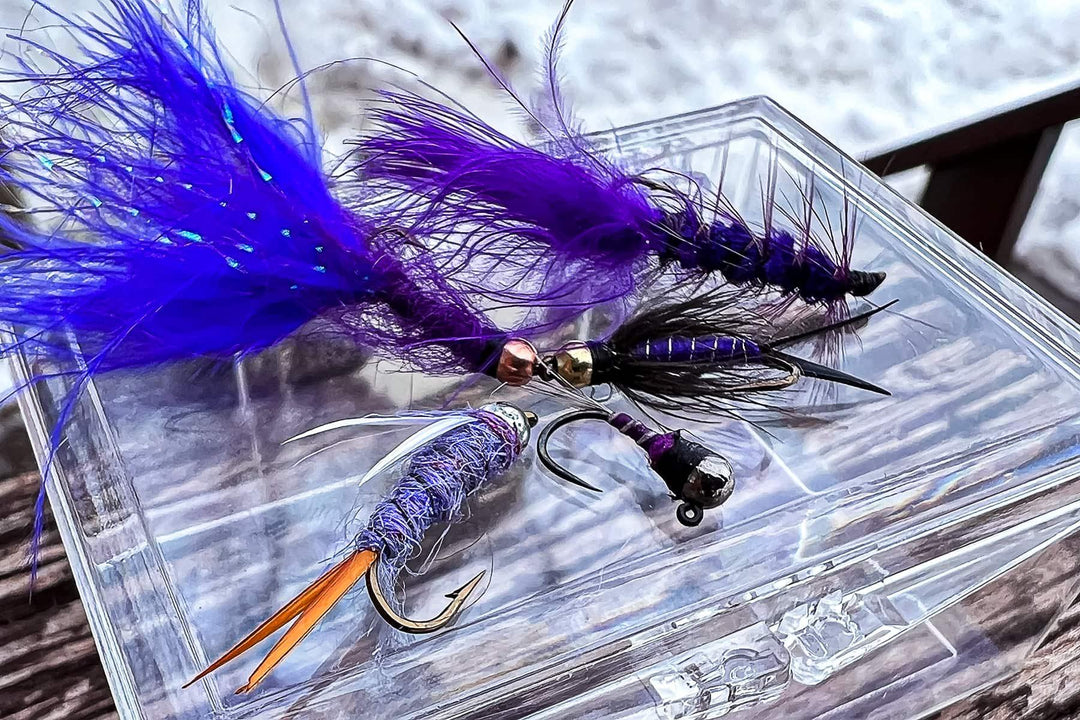
There are a few reasons why purple fly patterns are effective during spring runoff. First, purple is a highly visible color that can stand out even in murky water. As sediment and debris are swept downstream, fish may rely more on their sense of sight to locate food, and a bright purple fly can be just what they need to catch their attention.
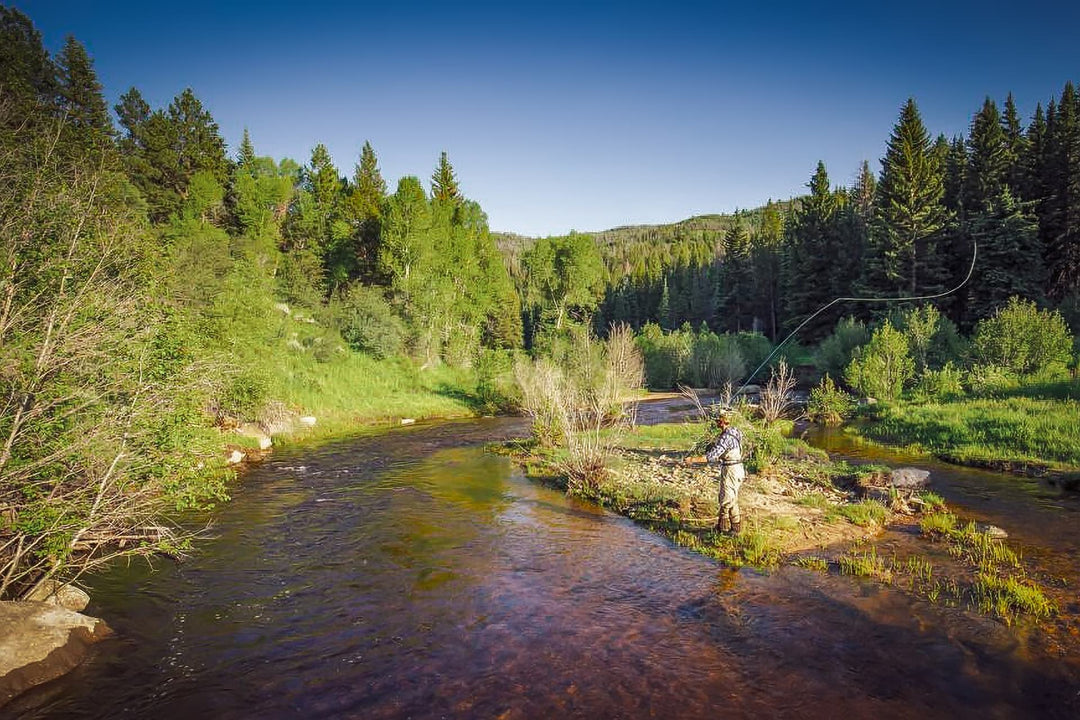
Spring is an exciting time of year for fly fishing enthusiasts. As the weather warms up, the fish become more active and start feeding on a wider variety of insects. Here are five tips for better spring fly fishing, along with five fly suggestions to help you hook your next catch.
Continue reading


